
- Home
- Maps▾
- FAQ▾
- About/Donate▾
- News▾
- Obits
- Contact/Help▾
- PersonalHistories▾
- Cross Reference Research Lists ▶
- Recent Archive Reports
- Profiles in Courage
- 1914 -1918 WW1 Material
- Royal Air Force + RAFVR ▶
- WAAF/WRAF
- Australia
- Belgium
- Canada
- Site honouring Czechoslovak RAF
- Holland: LOST Rob Philips Memorial Archive
- New Zealand
- Norway, Denmark, Sweden, Finland
- Poland
- South Africa
- Archiwum Mielnika: Polish Air Force Archive
- USAAF & USAF
- USA WASP Flygirls
- USA - Co de Swart Gallery: Baker Crew 95th BG
- USA - Co de Swart Gallery: Geyer Crew 98th BG
- Axis Powers
- Russia/Soviet Union
- RCAF 409 The Nighthawks
- Hore-Kennard RCAF
- Zenon Bartkowiak PAF
- Charles Dills USAAC
- Gerald Schwartz USAAC
- Ralph Malan Memoirs
- Soviet Women 'Night Witches'
- Full Story of Lancaster Z-Zebra
- First Air Raid Victim
- 1914 -1918 WW1 Material
- Databases▾
- Databases Master List
- Consolidated Names: includes 500K+ names from all our databases
- Cross Reference Research Lists
- Research Sources
- MULTI-NATIONAL DATABASES
- Aces and Aviators International WW1 - 3000+
- Vitz Archive: War Crimes Victims of Axis
- NEW! USAAF & Allies Non Combat Incidents and Losses
- ALLIED DATABASES
- Allied Losses and Incidents: all Commands
- Aircrew Deaths & Resting Places Worldwide 1939 - 47 120,000+
- Alamein Allied Air Forces Memorial 3000+
- Allied Non-British Graves in Europe managed by CWGC
- Battle of Britain: Enhanced and Extended
- Glider Pilot Regiment Casualties
- Korean War UN Forces Database
- LOST Rob Philips Memorial Archive Dutch/2TAF Losses
- Malta Memorial Database
- Nordic Allied Database
- Ottawa Allied Air Forces Memorial Database
- Paradie RCAF Archive
- Archiwum: Polish Air Force Archive
- Polish Honour Roll
- RAAF Honour Roll
- RCAF Notes - 9000+
- Royal Navy Fleet Air Arm
- Runnymede Memorial Database
- Soviet Aces Database 1941 - 1945
- US Aces and Aviators WW2
- US Air Service Victories WW1
- USAAF Allies NonCombat Losses
- USAAF Operations WWll
- US Marine Corps Squadrons WWll
- Vitz Memorial Archive: War Crimes Victims of Axis
- AXIS DATABASES
- Kracker Luftwaffe Archive
- Deutsches Kreuz in Gold
- German Graves in UK
- German WW2 Aces
- Luftwaffe Graves Managed by CWGC
- Luftwaffe Victories by Name/Date
- Archives ▾
- Archiwum: Polish Air Force Archive: Data on 17,000
- Kracker Luftwaffe Archive
- LOST Rob Philips Memorial Archive: Holland
- Paradie Canadian Archive
- Paul McGuiness RAAF Archive WW1 & WW2
- Profiles in Courage
- Vitz Memorial Archive: War Crimes Victims of Axis
- USAAF Combat Operations 1941-45 Worldwide
- 409 RCAF: The Nighthawks
- Detailed Personal Archive RCAF Officer
- Charles Dills Archive
- Gerald Schwartz Archive
- Ralph Malan Memoirs
- RAF Coastal Command Patrol Areas
- US Intelligence Analysis German Anti Aircraft
- Allied Mine Laying Map (Gardening)
- Airborne Forces - a short history
- More ▾
- de Swart Gallery: Baker Crew, Geyer Crew
- Guide to Complete Site
- Helpdesk
- Donate
- Lay a Wreath
- Your relative's CWGC grave explained
- CWGC War Graves in USA
- Doing Your Own Research
- Research Sources
- US Assistance to Warsaw Uprising
- Our support for charities
- Axis Awards Descriptions
- Stolperstein: Permanent Remembrance
- Who fought for Britain 1939 - 1945
- Aerotoxic Syndrome
- Bermuda Triangle Mystery
- Cross Reference Research Lists
- Not Many People Know That
- Image Acknowledgements
- Abbreviations Used by Forces
- Poetry of Direct Personal Experience
- Staggering Cost in Lives of WWll
- Animated Map All Allied Bombing WW2
- USAAF Combat Operations 1941-45 Worldwide
- Polish Airmen Fighting (Video)
- Important Links
- Canada Memorial Project
- Remembering Banica
- Book Reviews
- 1 BFTS Texas
- Veterans Appeals
- Korean Conflict
- Vietnam Conflict
- Other Conflicts
- Commercial Aviation
- Bush Flying
- Nose Art
- Military Humour
- Airborne Forces - a short history
-

Aces and Aviators International Database WW1
Check the Databases Menu for the extensive list of our databases which represent decades of original research by our Editors
Data derived from many sources. Corrections/Additions requested through Helpdesk
Search Tips • Researchers • Check Spelling Names • USAS Airservice Database • Databases On Site
As Defence Journal describes it, at the outbreak of the First World War (WW1) in 1914, military aviation consisted of light wooden bi/tri planes with maximum speeds of under 100 mph and very limited load carrying capacity.
Their roles were initially restricted to reconnaissance and artillery observations.
While there may not have been any air power doctrine on the eve of WW1, there was no shortage of alarming speculations about strikes from the sky, thanks to pre-war novels from H.G Wells and others.
Within seven weeks of WW1 beginning, Sopwith Tabloids of Britain's Royal Naval Air Service conducted an air raid on the Zeppelin (airship) sheds in Germany. A year later Germany retaliated when Zeppelins in turn bombed English cities.
The actual damage in all these raids may have been minimal but the psychological impact on civilians and populations was profound.
With both sides using increasing numbers of aircraft for reconnaissance, artillery observations and occasional bombing raids, the inevitable happened and aircraft started to shoot at each other to prevent the adversary from taking military advantage of the new medium. This marked the birth of fighter aircraft whose numbers proliferated whilst their performance took a quantum leap. The battle for control of the air had truly begun. The writing was clearly on the wall for military tactics and precepts that had stood for hundreds of years as the full flower of air power's potential to change the course of events and even win wars had to be acknowledged.
The Air War assumed a giant scale on both sides. By way of example, the British had upwards of 2,000 planes active by war end. And the war saw many tactics and strategies develop that were further developed in the Second World War.
Recovering names and details from over 100 years ago is a big task. If you have additions or corrections, or know of places we can contact to request their data, please let us know via the Helpdesk.
Searching here is powerful. Check the Search Tips first. You can search on single items (a surname for example, or a country) and you can search on combinations: thus a search on 'Australia and Camel' will find all records where BOTH Australia and Camel are mentioned.
You can search on 2 characters or more
Searching is possible on French squadrons, but with some care. The French named their squadrons for the plane each flew, thus N95 was a squadron flying Nieuport, SPA 150 flew the SPAD. To search for squadron N95 search for 'Nieuport N95'. Squadrons flying the Caudron were designated C50 for example, so in this case search for 'Caudron C50'.
Be aware we have used dozens of different sources. Some use special characters (such as umluats on German), others use Anglicized versions of the word. Thus some use Göring, and some use Goering. Try different approaches.
Countries/Nationalities Included: Agentina, Australia, Austro-Hungarian Empire, Austria, Belgium, Bermuda, Bulgaria, Canada, Canada Newfoundland, Canada French Canada, Chile, China, Czechoslovakia, Denmark, Estonia, Fiji, Finland, France, Georgia, Germany, Germany Bavaria, Germany Sudetenland, Great Britain (Wales, Scotland, Ireland separately listed), Greece, Guatemala, Hungary, India, Italy, Jamaica, Japan, Latvia, Lithuania, Mauritius, Mexico, Netherlands, Slovakia, Hungary, Australia, New Zealand, Norway, Poland, Portugal, Romania, Russia, Serbia, Slovakia, Swaziland, Switzerland, Turkey Ottoman Empire, USA, Venezuela, Vietnam.
The reader is referred to a site of great scholarship on WWl aviation. airhistory.org is comprehensive and valuable.
Refer to Paul McGuiness RAAF Archive WW1This page has opened with a sample Search for demonstration purposes.
Searches are now permitted on 2 character minimum (previously 3).
To search on single digit Squadron append Sqd, thus: search on '5 Sqd'
These are the results of your search:
You searched for: “Langley Frank Willard Smith”
| # | Name* SORT (↑) | First Names | Rank | Awards | Country SORT (↑) | Alliance | Role | Victories | Details | Units | Air Service | Death | Notes/Aircraft | Sources | Links | Photo |
|---|---|---|---|---|---|---|---|---|---|---|---|---|---|---|---|---|
| 1 | Enstone | Albert James | Capt |  Distinguished Service Order (DSO)  Distinguished Flying Cross  Distinguished Service Cross | Great Britain | Allies | Pilot | 15 | [13+2] (11 kills,4Lost Control,11 driven to ground) | 4 Sqn (N), 204 Sqn | RNAS & RAF | Pup, Camel ace, 1917-18. English WWI fighter ace, Albert James 'Jim' Enstone was born 25/8 1895. Enstone joined the Royal Naval Air Service on 3 April 1916 with the rank of temporary probationary flight sub-lieutenant. He learned to fly at Cranwell; seems to have showed early promise, as he was appointed as an acting flight commander during training. He graduated on 15 September 1916 with Royal Aero Club certificate 3677. Enstone was confirmed in his rank as flight sub-lieutenant on 8 November 1916; he had already been appointed an acting flight lieutenant as early as 10 April 1916. He was one of the founding members of 4 Naval Squadron in April 1917; it was stationed at Bray Dunes on the Franco-Belgian border, and was tasked with both flying offensive patrols and escorting RNAS bombing missions. He used a Sopwith Pup (below) to counter German probes over the English Channel.  Sopwith Pup Enstone destroyed four enemy aircraft near or over the English Channel between 9 May and 5 June 1917, including one kill shared with Arnold Jacques Chadwick. His second victory, scored on 9 May, forecast his later citation for valour; Naval 4 battled a large opposing force of German Albatroses for 25 minutes, with Alexander MacDonald Shook and Langley Frank Willard Smith joining Enstone in victory. After he and his squadron upgraded to Sopwith Camels, Enstone used his new mount to down three more German aircraft in July 1917, including an effort against a seaplane teamed with Chadwick and Ronald M. Keirstead. The new ace would go on to push his victory total to 10 for 1917. Between his ninth and tenth wins, on 1 October 1917, Enstone was promoted from temporary flight sub-lieutenant to temporary flight lieutenant. He also won the Distinguished Service Cross during this string of victories. Enstone continued to win throughout the first half of 1918. When the RNAS was consolidated into the Royal Air Force on 1 April 1918, his position as flight commander automatically gained him the rank of captain. In August 1918, he was relieved of combat duty and returned to Home Establishment in England. He was awarded the Distinguished Flying Cross during this period. Citation DSC: Flight Commander Alexander MacDonald Shook RNAS Flight Lieutenant Arnold Jacques Chadwick RNAS (since reported drowned) Flight Sub-Lieutenant Albert James Enstone, R.N.A.S. Flight Sub-Lieutenant Langley Frank Willard Smith RNAS (since reported missing) For exceptional gallantry and remarkable skill and courage whilst serving with the RNAS at Dunkirk during May and June, 1917, in repeatedly attacking and destroying hostile aircraft. Citation DFC: Distinguished Flying Cross (DFC) Capt. Albert James Enstone, DSC (Sea Patrol). Has been engaged for eighteen months on active service flying (ten months as Flight Leader). Has destroyed twelve hostile machines and brought down six more out of control. During the past month Capt. Enstone attacked an enemy gun, which was firing on one of our crashed machines, and succeeded in blowing up the ammunition dump alongside the gun, causing a great explosion, with flames reaching to a height of nearly 300 feet. | Shores (Other sources 18 victories) |   |
||
| 2 | Smith | Langley Frank Willard | FsubLt | USA | Allies | Pilot | 8 | (2 balloons)(6 kills+2 Lost Control) [6+2] | 4(N)Sqn RNAS | RNAS | 13/06/1917 | Pup ace, 1917. MIA. | Shores | |
||
| 3 | Brooks | Arthur Raymond | Capt | USA | Allies | Pilot | 6 | 139th & 22nd Sqn | US Air Service | Lt. Arthur Raymond Brooks, WWI United States Army Air Service ace with 6 victories (4 shared). Arthur Raymond Brooks (1 November 1895 – 17 July 1991) was an American World War I flying ace of the United States Army Air Service credited with shooting down multiple enemy aircraft. Among his most prominent achievements was when he single-handedly took on a squadron of German-flown Fokker (Dutch make) planes officially downing 2 of them in one aerial battle piloting his Smith IV Spad XIII. He was a pioneer in the development of radio navigational aids (NAVAIDs) used by pilots for location and navigation as well as air-to-ground communications. Brooks also participated in early endeavors to commercialize aviation as a passenger-carrying business and was one of the earliest commercial pilots involved with carrying mail (air mail) for the US Post Office Department. Brooks was born in Framingham, Massachusetts. He graduated as valedictorian from Framingham Academy and High School in Massachusetts in 1913 and from Massachusetts Institute of Technology in 1917. He enlisted in the U.S. Army Signal Officer Reserve Corps and attended the School of Military Aeronautics with the Royal Flying Corps in Canada from September to November 1917. Brooks then trained with the Texas 139th Squadron from November 1917 to February 1918. In March 1918, Brooks was transferred to France, where he flew the SPAD S.VII. After three victories he became a flight commander of the 22nd Aero Squadron flying the SPAD XIII C.1. His combat actions earned him a recommendation for the Medal of Honor. The U.S. Army, upon review of the action awarded him the Distinguished Service Cross. Brook's final SPAD, Smith IV, resides in the aircraft collection of the National Air and Space Museum Ray Brooks was one of the pilots featured in the series Dogfights presented by The History Channel. Season 2, Episode 7 titled "The First Dogfighters" depicts Brooks' solo dogfight against eight German Fokker D.VII aircraft on September 14, 1918. During the aerial mêlée he shot down four Fokkers, though U.S. Army records only credited him with two. He was finally able to escape the last four pursuing enemy aircraft by using his superior diving speed. Brooks is the subject of a 1963 book entitled Capt. Arthur Ray Brooks: America's quiet ace of W.W.I by Walter A Musciano. He is also the subject of the painting Last Victory by noted aviation artist Roy Grinnell. Brooks returned to the United States in July 1919 and was stationed at Kelly Field, Texas, where he was promoted to Captain and assigned as the commander of the 1st Pursuit Group. He was subsequently assigned to the Air Service Field Officer's School, Langley Field, Virginia. He resigned from the army and received an Honorable Discharge in December 1922. | Toliver-Constable |   |
||||
| 4 | Smith | James Robert | 2ndLt | Canada | Allies | Observer | 5 | (2 kills+3 Lost Control) | 18Sqn (observer) | RFC | FE2b gunner ace, 1916-17. | Franks-Guest |  |
|||
| 5 | Smith | Sydney Philip | Capt | Great Britain | Allies | Pilot | 5 | [2+3] (3 kills+2 Lost Control) | 6Sqn, 43Sqn | RFC & RAF | 06/04/1918 | BE2, Camel ace, 1918. KIA (v.Richthof.). | Shores (Other sources 10 victories) | |
||
| 6 | Smith | Emerson Arthur Lincoln | Lt | Canada | Allies | Pilot | 7 | (3 kills+4 Lost Control) | 45Sqn | RFC | Strutter, Camel ace, 1917. POW. | Shores | |
|||
| 7 | Smith | James Robert | 2ndLt | Canada | Allies | Observer | 5 | (2 kills+3 Lost Control) | 18Sqn (observer) | RFC | FE2b gunner ace, 1916-17. | Franks-Guest | |
|||
| 8 | Smith | Francis Ryan | Capt | Australia | Allies | Pilot | 16 | [13+3] (7 kills+9 Lost Control) | 2Sqn | Australian Flying Corps | SE5 ace, 1918. | Shores (Other sources 13) |  |
|||
| 9 | Smith | Ross McPherson 'Hadji' (Sir) | Capt | Knight Commander of the Order of the British Empire Military Cross & Bar Distinguished Flying Cross & Two Bars AFC AFC | Australia | Allies | Pilot 2 Seater | 10 | (10 kills+1 Lost Control) | 67 Sqn, 1 Australian Flying Corps Sqn | Australian Flying Corps | 14/04/1922 | BE12, F2B ace, Palestine, 1917-18. KIFA. Australian aviator and WWI pilot ace, Ross MacPherson "Hadji" Smith was born 4/12 1892. Sir Ross Macpherson Smith, KBE, MC & Bar, DFC & Two Bars, AFC (4 December 1892 – 13 April 1922) was an Australian aviator. He and his brother, Sir Keith Macpherson Smith, were the first pilots to fly from England to Australia, in 1919. Smith enlisted in 1914 in the 3rd Light Horse Regiment, landing at Gallipoli 13 May 1915. In 1917, he volunteered for the Australian Flying Corps. He was later twice awarded the Military Cross and the Distinguished Flying Cross three times, becoming an air ace with 11 confirmed aerial victories. With Ernest Mustard in their Bristol Fighter in Palestine, 1918. Smith was pilot for T. E. Lawrence (Lawrence of Arabia) and fought in aerial combat missions in the Middle East. He is mentioned several times in Lawrence's book, Seven Pillars of Wisdom, Chapter 114. Smith and his brother Keith, Sergeant James Mallett (Jim) Bennett and Sergeant Wally Shiers, flew from Hounslow Heath Aerodrome, England on 12 November 1919 in a Vickers Vimy, eventually landing in Darwin Australia on 10 December, taking less than 28 days, with actual flying time of 135 hours. The four men shared the £10,000 prize money put forward by the Australian government. Smith was killed (along with the recently commissioned Lieutenant Bennett) while testing a Vickers Viking amphibian aircraft which crashed in Byfleet soon after taking off from Brooklands on 13 April 1922. Captain Stanley Cockerell, test pilot for Vickers, had flown Smith and Bennett as passengers on the aircraft's maiden flight earlier that day and testified to the inquest that the machine seemed to be in perfect working order. The jury returned a verdict of death by misadventure.[3] The bodies were transported to Australia and Smith was given a state funeral and later buried on 15 June at the North Road Cemetery, Adelaide. The Australian cricketer Keith Ross Miller was named after Smith and his brother. | Shores. | 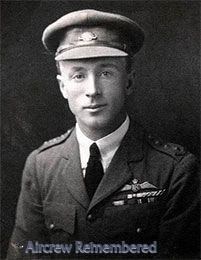 |
|
| 10 | Sharpe | Frank | Lt | Great Britain | Allies | Pilot | 5 | [3+2] (1 balloon)(4 kills+1 Lost Control) | 1Sqn | RFC | Nieuport Scout ace, 1917. POW. | Shores | |
|||
| 11 | Seth-Smith | Kenneth Gordon | Lt | Great Britain | Allies | Pilot | 7 | [2+5] (1 balloon)(2 kills+5 Lost Control) | 70Sqn | RFC | 11/08/1942 | Strutter observer, Camel ace, 1917-18. KIFA. | Shores | |
||
| 12 | Roxburgh-Smith | Benjamin 'Dad' | Capt | DFC and Bar, Belgium CdeG | Great Britain | Allies | Pilot | 22 | [18+4] (17 kills+5 Lost Control) | 60Sqn, 74Sqn | RFC & RAF | Nieuport, 1917; SE5 ace, 1918. | Shores (Other sources 16 victories) | |
||
| 13 | Robertson | Frank A. | Lt | USA | Allies | Pilot | 6 | 29Sqn RFC | RFC | Toliver-Constable | |
|||||
| 14 | Ransley | Frank Cecil | Capt | Great Britain | Allies | Pilot 2 Seater | 9 | (5 kills+4 Lost Control) | 48Sqn | RAF | Bristol Fighter ace, 1918. | Shores. | |
|||
| 15 | Potter | Frank A. | Sgt | Great Britain | Allies | Observer | 7 | (2 kills+5 Lost Control) | 20Sqn (gunner) | RFC | 10/09/1917 | Bristol Fighter gunner, 1917. DOW. | Franks-Guest | |
||
| 16 | Mustard | Ernest Andrew 'Pard' | Lt | Australia | Allies | Observer | 5 | [3+2] | 1Sqn (gunner) | Australian Flying Corps | BF2 gunner, Palestine, 1918. With Sir Ross Smith in their Bristol Fighter in Palestine, 1918. | Franks-Guest | |
|||
| 17 | Menendez | Frank Tremar Silby | Lt | Great Britain | Allies | Observer | 6 | (1 kill+5 Lost Control) | 57Sqn (gunner) | RFC | DH4 bomber gunner, 1917. | Franks-Guest | |
|||
| 18 | Mauduit | Ronald Frank Strickland | Lt | Great Britain | Allies | Pilot | 9 | (2 kills+7 Lost Control) | 11Sqn | RFC | Bristol Fighter ace, 1917. | Shores (Other sources 10 victories) | |
|||
| 19 | Mauduit | Ronald Frank Strickland | Lt | Great Britain | Allies | Pilot 2 Seater | 9 | (2 kills+7 Lost Control) | 11Sqn | RFC | Bristol Fighter ace, 1917. Some sources 10 victories) | Shores. | |
|||
| 20 | Smith | John Henry | Lt | Canada | Allies | Pilot | 8 | [3+5] (1 balloon)(4 kills+4 Lost Control) | 46Sqn | RAF | Camel ace, 1918. | Shores | |
|||
| 21 | Smith | Harry Coleman | Lt | Great Britain | Allies | Pilot | 5 | [2+3] (1 balloon) | 213Sqn | RNAS & RAF | Camel ace, 1918. | Shores | |
|||
| 22 | Luke | Thomas Carlyon 'Sammy' | Capt, later Sqn Ldr | MC AFC  1914-15 Star (32062. Cpl. T. C. Luke. R.E.); British War and Victory Medals (Capt. T. C. Luke. R.A.F.) | Great Britain | Allies | Pilot | 6 | [5+1] (4 kills+2 Lost Control) | 66 Sqn RFC 209 Sqn RAF  | RFC & RAF | Pup, 1917; Camel, 1918. MC Citation London Gazette 25 August 1917: ‘For conspicuous gallantry and devotion to duty in aerial combats. On several occasions he attacked hostile formations and dispersed them, although they were in superior numbers, showing great dash and fearlessness in engaging them at close range. He has taken part in thirty-five offensive patrols, at all times setting a fine example of courage.’ Born in Plymouth, Devon, in July 1891. He was the son of a tailor, and was educated at Plymouth Grammar School and Shaftsbury School before being employed as a Clerk in the City of London prior to the Great War. He served as a despatch rider with the Royal Engineers in the French theatre of war from 4 June 1915. Luke advanced to Corporal before being selected for a commission, and was gazetted Second Lieutenant in the Royal Engineers, 26 March 1916. Luke was seconded to the Royal Flying Corps at the end of 1916, and gained his Royal Aero Club Certificate (No. 7740) 4 January 1917. He advanced to Flying Officer and was posted as a pilot for operational flying with 66 Squadron (Sopwith Pups) in France around March 1917. Luke opened his account when he shot down an enemy aircraft out of control, 23 May 1917: ‘Lt. T. C. Luke fired 100 rounds into an EA which went down vertically and was lost to view. Later he engaged another German sending 60 rounds into it and it fell away like a leaf then went into a vertical spin near the ground.’ (66 Sqn in France & Italy, by F. W. Bailey and N. L. R. Franks refers) Luke’s second followed five days later, after 66 Squadron had suffered the loss of two pilots: ‘Two more pilots went down on the 27th and 28th, Lt. S S Hume on the former date, R M Roberts on the latter. Roberts probably went down under the guns of Karl Allmenroeder of Jasta 11. Lt. T C Luke avenged the loss of Roberts the same day when he fired 100 rounds at 40 yards into a two seater which fell vertically, not being seen to pull out.’ (Ibid) Luke destroyed an Albatross DIII west of Houthem on 15 June 1917. On the same day as he achieved his fourth victory, 28 July 1917, he and his aircraft were shot up: ‘July 28 was to be the day when 66 scored the greatest number of victories in one day during its period on the Western Front. Although the Pup was by this time almost totally outclassed by the Albatross DIII, 66 like 46 Squadron did good work on the Pup, in spite of the handicap, and despite only one machine-gun. Capt. C C Sharp, now in command of C Flight, fired 80 rounds into one EA damaging it badly. 2/Lt. W A Pritt shot an Albatross off the tail of 2/Lt Huxley, seeing it crash east of Roulers. Hunter shot another down ‘out of control’ from close range, while ‘Sammy’ Luke flamed another. Capt. Taylor and J W ‘The Ratter’ Boumphrey both attacked EA claiming ‘out of control’ victories, and F A Smith damaged another. However, Luke was wounded in the arm while correcting a gun jam and 2/Lt. J B Hine was reported missing. Luke left 66 and later flew as a flight commander...’ (Ibid) Luke’s commanding officer, Colonel Sir Gordon Taylor, gives more detail of the final stages of the combat in his book Sopwith Scout 7309: ‘Then, in realisation slower than my physical action, I knew that I had swept my machine out, and the Hun had passed. I saw him, hauling up, tail on, climbing into the sky. Then he was suddenly obliterated by a flaming mass plunging down in front of me, trailing a column of black and putrid smoke. It was another Albatros. Sammy Luke’s Pup was following it down. Then I saw the other Hun coming back in, diving on him. I couldn’t reach him, or do anything, in time. Futilely, I shouted, ‘Look out, Sammy! Look out!’ I saw the tracer cutting into the Pup. It suddenly reared up, pulled over, and started to go down, west, towards our lines. The Hun did not follow. He turned away to the east and disappeared. Back at Estrée Blanche four machines finally came in; but Sammy Luke was missing. A couple of days later we heard he was in a forward hospital near Bailleul; wounded, but doing all right.’ Despite being wounded and having a damaged aircraft, Luke managed to land safely and subsequently returned to the UK for medical treatment. He returned to operational flying when he was posted as Temporary Captain and Flight Commander to 209 Squadron (Sopwith Camels) in the summer of 1918. The Squadron were tasked with fighter and ground-attack duties, and Luke added to his score when he shared in the destruction of a Halberstadt C near Harbonnieres, 8 August 1918. He led his flight in many combats throughout August, and reached ‘Ace’ status when he destroyed a Fokker DVII near Buisey, South of Arras, 25 August 1918: ‘While on patrol I observed 7 or 8 Fokker Biplanes much below us. I dived on them with the formation and fired a long burst of 200 rounds at one at about 100 yards range causing the machine to go into a spin and I eventually observed it crash on the ground. I also observed another machine to crash in the same area.’ (Combat Report refers) Luke was on the receiving end the following day, whilst on a low patrol south of the River Scarpe: ‘Pilot left aerodrome at 7.15am. His machine became badly damaged by fire from ground, catching fire and crashing in shell hole. Pilot sustained slight injuries. Machine unsalvable, recommended to be struck off strength of No. 209 Squadron and RAF in the Field.’ (RAF Report on Casualties to Personnel and Machines (When Flying), refers) Luke remained in the RAF after the war, and competed in the fourth RAF Aerial Pageant at Hendon in July 1923. He won the ‘low bombing’ event flying a Sopwith Snipe. Luke subsequently had several Middle East postings, before advancing to Squadron Leader in November 1930. After postings to 7 Squadron and RAF Andover, Luke was appointed to the command of 18 Squadron at Upper Heyford in October 1931. He was posted to the Air Armament School, R.A.F. Eastchurch in March 1935 (AFC), and died of a heart attack in Princess Mary’s R.A.F. Hospital, RAF Halton, Buckinghamshire. Squadron Leader Luke is buried in St. Michaels Church, Halton. | Shores |    |
||
| 23 | Smith | William Thomas | FSgt | Great Britain | Allies | Observer | 5 | (3 kills+2 Lost Control) | 45Sqn, 104Sqn (gunner) | RFC & RAF | Strutter, DH4 bomber gunner, 1917-18. | Franks-Guest | |
|||
| 24 | Smith | William Watson | Lt | Great Britain | Allies | Observer | 8 | (7 kills+1 Lost Control) | 139Sqn (gunner) | RFC | BF2 gunner, Italy, 1918. | Franks-Guest | |
|||
| 25 | Smith | David Esplin | Lt | Great Britain | Allies | Pilot 2 Seater | 6 | (5 kills+1 Lost Control) | 20Sqn | RAF | 14/08/1918 | Bristol Fighter ace, KIA. | Shores. | |
||
| 26 | Smith | George Henry Benjamin | Lt | Great Britain | Allies | Pilot 2 Seater | 5 | (with observer)(3 kills+2 Lost Control) | 104Sqn (bomber) | RAF | DH9 bomber pilot, 1918. POW. | Franks-Guest | |
|||
| 27 | Smith | George Henry Benjamin | Lt | Great Britain | Allies | Pilot | 5 | (with observer)(3 kills+2 Lost Control) | 104Sqn (bomber) | RAF | DH9 bomber pilot, 1918. POW. | Franks-Guest | |
|||
| 28 | Smith | James Robert | 2ndLt | Great Britain Scotland | Allies | Pilot | 5 | (2 kills+3 Lost Control) | 18Sqn (observer) | RFC | FE2b gunner ace, 1916-17. | Franks-Guest | |
|||
| 29 | Smith-grant | John Gordon S. C. | Capt | Great Britain Scotland | Allies | Pilot | 6 | [4+2] (2 kills+4 Lost Control) | 28Sqn, 70Sqn | RFC & RAF | 29/05/1918 | DOW. | Shores | |
||
| 30 | Soden | Frank Ormond | Capt | DFC and Bar | Canada | Allies | Pilot | 27 | [17+10] (2 balloons)(14 kills+13 Lost Control) | 60Sqn, 41Sqn | RFC | SE5, 1917-18. Russia, 1919. Iraq 1922. | Shores | |
||
| 31 | Stevens | Frank Douglas 'Inky' | Capt | Great Britain | Allies | Pilot 2 Seater | 5 | (no kill, 5 Lost Control) | 20Sqn | RFC | FE2D ace, 1917. | Shores. | |
|||
| 32 | Taylor | Frank Harold | Lt | Canada | Allies | Pilot | 10 | [8+2] (1 balloon)(8 kills+2 Lost Control) | 41Sqn, 84Sqn | RFC & RAF | DH5, 1917; SE5 ace, 1918. | Shores | |
|||
| 33 | Thomson | George Edwin | Capt | DSO Military Cross DFC | Great Britain Scotland | Allies | Pilot | 21 | [17+4] (6 kills+15 Lost Control) | 46 Sqn | RFC | 23/05/1918 | Pup, 1917; Camel ace, 1918. KIFA. Thomson was seriously injured during flight training; the accident left him with lasting scars to his face. Nevertheless, he joined 46 Squadron during the summer of 1917, to fly a Sopwith Pup. On 25 September 1917, he scored his first victory flying Pup no. B2196, destroying an enemy reconnaissance plane. Thomson successfully used seven different Camels in his campaign of aerial victories. On 30 November 1917, Thomson used Camel no. B3514 to destroy an Albatros D.V and capture a Pfalz D.III. On 10 December, he drove down another D.V out of control, using Camel no. B2451. He would not score again until 18 January 1918, when he drove another two-seater down out of control, still using B2451. In February, he would use Camel B9131 to drive down an Albatros two-seater. Then came March. He used four different Camels and reeled off fifteen victories within the month, including four on the 16th, three on the 23rd, and two on the 17th. The three on the 23rd brought his total to 21. His tally included five enemy planes destroyed; he shared one of these triumphs with fellow ace Sydney Smith. He also drove down fifteen enemy planes out of control; one of these victories was also shared with Smith, and another with Horace Debenham. The remaining win was the captured Pfalz. Citatiion MC: Military Cross (MC) T./Capt. George Edwin Thomson, Gen. List and RFC. For conspicuous gallantry and devotion to duty. On one occasion, when testing his machine, he observed a hostile two-seater machine between himself and the lines. He dived on it and fired sixty rounds at a close range, rendering the observer insensible. He then pulled up under the tail of the enemy machine, fired another thirty rounds, and observed it going down in a slow spin. He has accounted for six enemy machines, and has rendered continuous gallant and valuable service. Citation: DSO Distinguished Service Order (DSO) Lt. (T./Capt.) George Edwin Thomson, MC Gen. List, and RFC. For conspicuous gallantry and devotion to duty. On one occasion, encountering a number of enemy two-seater planes, he dived on one of these and sent it down in flames. On returning to our lines, he dived on to another enemy machine, the observer of which was seen to collapse in his cockpit, the hostile machine going down completely out of control. On the following day, observing a hostile two-seater machine, he dived on it, engaging it at 100 yards range. On the hostile plane going down in a slow spin, he followed it to within 2,500 feet, but was compelled to withdraw owing to heavy machine-gun fire from the ground. He has, in all, accounted for twenty-one enemy machines, and has at all times during recent operations displayed the most marked skill and gallantry. | Shores (Other Sources 14) |  |
|
| 34 | Weare | Frank Gerald Craven | Capt | Great Britain | Allies | Pilot 2 Seater | 15 | (4 by observer)(11 kills+4 Lost Control) | 22Sqn | RFC & RAF | Bristol Fighter ace, 1918. | Shores. | |
|||
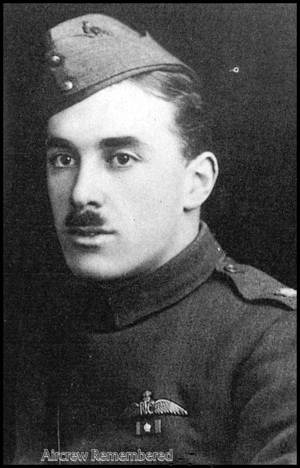
| 35 | Wilkinson | Alan Machin | Maj |  DSO & Bar | Great Britain | Allies | Pilot 2 Seater | 9 (Some sources 19 including 6 in a day) | (8 kills, 1 FTL, 10 Lost Control) | 24Sqn, 48Sqn, 23Sqn | RFC | 1972-06 | DH2 top ace, Bristol ace, 1916-17. DSO Citation London Gazette 20 October 1916: ‘For conspicuous gallantry and skill. He has shown great dash in attacking enemy machines, and, up to the end of August, he had accounted for five. On one occasion, while fighting a hostile machine, he was attacked from behind, but out manoeuvred the enemy and shot him down. Finally he got back, his machine much damaged by machine-gun fire.’ Bar to DSO Citation London Gazette 26 May 1917: ‘For great skill and gallantry. He came down to a low altitude and destroyed a hostile scout which was attacking one of our machines, the pilot of which had been wounded, thereby saving it. In one day he shot down and destroyed six hostile machines. He has destroyed eight hostile machines during the past ten days and has displayed exceptional skill and gallantry in leading offensive patrols.’ Alan Machin Wilkinson was born in Eastbourne, Sussex in November 1891 and was educated at Repton and Oriel College, Oxford, where he took a soccer Blue, and toured Argentina with the university side. Having then briefly been employed as a schoolmaster in Winchester, he was commissioned in the 9th Battalion, Hampshire Regiment (Territorial Force), on the outbreak of hostilities in August 1914, but quickly transferred to the fledgling Royal Flying Corps and took his Aviator’s Certificate (No. 1398) in July 1915. No. 24 Squadron Going out to France with No. 24 Squadron in the Spring of 1916, he became one of the first pilots to fly fighting scouts in action, largely on the Somme front, and for a time at least, before higher authority intervened, had a second Lewis gun fitted to his D.H. 2 No. 5966 (a.k.a. “Wilkie’s Bus”). He also became one of the RFC’s first aces and for a period reigned as the highest scoring scout pilot, achievements that surely pleased his gallant C.O., Major Lanoe Hawker, VC DSO, who would be killed in action on a squadron sortie later in the year. The first of Wilkinson’s numerous victims fell to his guns over Peronne early on the morning of 16 May, when he claimed a brace of enemy aircraft out of control within half an hour of each other. Then in the following month, on the 17th, he claimed a Fokker E and an Albatross C in combats over Miraumont and Grevillers, together with an Albatross C over Achiet le Grand on the 18th and a Fokker E over the Bapaume-Peronne Road on the 19th. As a result of one of these combats, his aircraft returned to base ‘riddled with bullets’ - he was recommended by Brigadier-General E. B. Ashmor, 4th Brigade, RFC, for the Military Cross and was advanced to Flight Commander, though in the event the former distinction was not forthcoming. Slightly wounded in a combat over Coloncamps on 22 June, he nonetheless continued to raise his score, a Fokker E falling to his guns over Le Sars on the 19 July, and four more assorted enemy aircraft types over the Somme front in August, including a brace on the 31st, as recounted by Major Hawker in his subsequent combat report: ‘About 11 enemy aircraft were observed attacking three F.Es and some B.E. 12s near Grevillers, but the de Havillands were underneath. Climbing, Captain Wilkinson attacked the nearest, a Roland, which was engaged with an F.E. He fired 50 rounds at about 80 yards and the enemy aircraft, leaving the F.E., dived east under the de Havilland. Captain Wilkinson followed, but was attacked from behind by another Roalnd. This he succeeded in outmanoeuvring by spiralling upwards, finally getting on the enemy aircraft’s tail, firing 40 rounds at about 80 yards. The enemy aircraft dived almost vertically, and was afterwards seen on the ground near Villers. Lieutenant Capon, diving at a Roland, was shot through the leg below the knee. He finished his drum at close range, and returning landed successfully at Chipelly. Three more Rolands approached to attack, but Captain Wilkinson climbed and they made off east as soon as he reached their height. Later, Captain Wilkinson saw an L.V.G. approaching High Wood. He dived, keeping to a flank, and when within 70 yards, turned on the enemy aircraft’s tail. At this moment, Captain Wilkinson was fired on from behind, but he continued his attack on the L.V.G. under heavy fire from four Rolands, firing 50 rounds at about 20 yards range. The L.V.G. dived almost vertically under the de Havilland, and probably crashed, but Captain Wilkinson had to turn to meet the attack from behind. The four Roalnds were just above, and manoeuvred to take advantage of the de Havilland’s fixed gun, but Captain Wilkinson raised the mounting and engaged three of them with short bursts. Apparently taken by surprise, the enemy aircraft immediately retired east, one going down steeply, but apparently in control. Captain Wilkinson then retired owing to shortage of petrol, his emergency tank having been shot through. Also two struts were damaged, two main-spars pierced and six wires cut through.’ Wilkinson fought at least three more combats in September, including, it is believed, a tussle with Oswald Boelcke, and was awarded the DSO in October. He was also mentioned in despatches (London Gazette 4 January 1917 refers). He returned to the Home Establishment. No. 48 Squadron Next posted to No. 48 Squadron, which was forming with the new Bristol F2A Fighters, he accompanied the unit out to France as a Flight Commander in the Spring of 1917 and was quickly in action on Thursday 5 April 1917, when, as recounted in Bloody April ... Black September, by Norman Franks, Russell Guest and Frank Bailey, the Squadron came up against “Richthofen’s Flying Circus”, and his fellow Flight Commander, Captain Leefe Robsinson, VC was shot down and taken prisoner. It was a costly start to the F2As introduction to front line service, and though much credit has been given to the Canadian ace, Andrew McKeever, for advancing the combat success of this type, it would be fair to say that Wilkinson and a fellow squadron pilot, Captain David Tidmarsh, were equally responsible for employing the right tactics for success from an early hour. And categoric proof for that contention is to be found in Wilkinson’s remarkable tally of ensuing victories - nine of them claimed in the Arras offensive in April 1917 and at least four of these in a single day. Of the latter encounter, fought over the Lens-Arras sector on 9 April, his D.S.O. citation actually credits Wilkinson with six “kills”. And the following extract, taken from the recommendation for his immediate Bar to his D.S.O. - submitted by Major A. V. “Zulu” Bettington - appears to support this higher claim: if so, he was first Commonwealth pilot to claim six-in-a-day: ‘On 9 April 1917, while patrolling over enemy lines, at about 12,000 feet, an Albatross 2-seater was seen about 8,000 feet below, which without hesitation, and in spite of it being so low over its own lines, was promptly dived on and a burst from the pilots gun fired, when the enemy aircraft turned and after more shots fired into it, was sent down obviously out of control, finally being seen to hit the ground. Later confirmation of the destruction of this enemy aircraft was reported by A.A. and another aeroplane. This was a big dive down from 12,000 feet and showed great dash. The fight finished at only 3,500 feet. After the above mentioned fight, when Captain Wilkinson’s partner had been compelled to return to the aerodrome owing to engine trouble, this gallant officer, fully appreciating the importance of events taking place on the ground beneath and knowing that he was relied on by me to maintain a patrol, carried on alone. Very shortly afterwards, finding three large 2-seater enemy aircraft, flying low near our lines and obviously trying to range hostile artillery, and being escorted by three fast Scouts much higher up, Captain Wilkinson hung round skilfully keeping hos own machine out of sight as much as possible by getting between the Artillery machines, the sun and the clouds; waiting a favourable opportunity to attack this far superior number, an opportunity soon presented itself when a big cloud came over between the escorting Scouts and the Artillery-ranging machines. He dived among them from behind and both pilot and Observer opened fire. The attack being so sudden and swift, none of the enemy aircraft attempted to fight but dived hard. However, Captain Wilkinson dived equally fast getting a series of bursts of about 100 rounds altogether into one at between 50 and 75 yards, which promptly went down hopelessly out of control. Meanwhile, the Observer, Lieutenant L. W. Allen, brought his gun to bear on another enemy machine at about 150 yards range, sending the second down obviously hard hit. The third enemy aircraft was not seen again, neither were the Scouts overhead, when Captain Wilkinson reappeared from under the cloud. For the third time on the same date, and when only one other machine of his patrol still remained with him, he was patrolling over the enemy lines at about 11,000 feet, when two enemy aircraft were seen, upon which he promptly dived, opening fire on the lower one, and then turned up under the second within 30 feet, so as to give his Observer a favourable shot, which he was unable to take advantage of owing to gun trouble, but he called Captain Wilkinson’s attention to three other enemy aircraft diving on him from above and behind. One of these enemy aircraft fastened on to the other machine of the patrol, closing with extraordinary rapidity. Captain Wilkinson swung his machine to give his Observer a shot and endeavoured to drive the enemy machine off his partner’s tail. At this target a good bursts was got in as the enemy aircraft passed his bows, at about 30 yards, but then Captain Wilkinson was again attacked by another hostile Scout, which came right up to the tail of his machine. This enemy aircraft very soon fell away out of control after receiving the best part of a drum of ammunition from 30 yards range from the Observer’s gun. The other Bristol Fighter then swept past with an enemy aircraft right on his tail. Captain Wilkinson’s gun having jammed, he smartly manoeuvred round to bring his Observer’s fire to bear at close range, and after a good burst the enemy aircraft was seen to drop away out of control. The Observer’s gun now jammed as well, so Captain Wilkinson put his own machine into a vertical spiral, while a third enemy Scout, evidently realising his difficulty, endeavoured to get on to his tail, firing bursts at him all the time. The spiral was continued until the Observer had rectified his gun and signalled the pilot to that effect. Captain Wilkinson immediately assumed the offensive again, and when the enemy aircraft banked, fire was brought to bear at 15 yards range, and the third then fell away to earth out of control. After this the remaining enemy aircraft were seen to be beating a hasty retreat East, down a strong wind, and Captain Wilkinson then rejoined the other machine of his patrol, which had practically been put out of action in the engagement as the passenger has been shot dead in his cockpit, and the machine itself had lost all power of manoeuvre owing to some of the control and flying wires having been shot away, the rudder being jammed by the body of the dead Observer, four internal bracing wires cut and nine bullets having hit the glass wind screen. Captain Wilkinson’s machine bore the brunt of this grand fight and only his indomitable pluck, tenacity, manoeuvring and devotion to duty as leader, coupled with splendid shooting both by himself and his Observer, saved the other machine from falling easy prey to the enemy ... ’ Before the month was out, Wilkinson had shared in the destruction of three further enemy aircraft, including a brace of Albatross DIIIs over Vitry en Artois on the 13th, and another solo claim of that type on the 22nd. In May 1917, the same month the immediate Bar to his D.S.O. was gazetted, he was appointed C.O. of No. 23 Squadron, a Spad S VII unit hitherto of little distinction, but by the time he had departed this command on account of appendicitis in August, it was already an efficient fighting unit with numerous claims to its credit. Wilkinson received another “mention” (London Gazette 11 December 1917 refers). However, protracted active service was taking its toll, and he was shortly thereafter diagnosed with neurasthenia - to all intents and purposes a nervous breakdown. He finished the War as an Acting Lieutenant-Colonel in command of an Aerial Fighting School and and was transferred to the Unemployed List in November 1919. Wilkinson pursued a successful career in advertising between the Wars, and was appointed a Director of the London Press Exchange in 1938, but the renewal of hostilities witnessed his return to uniform as a Station C.O. at Martlesham and West Malling, in which capacity he was awarded two further “mentions” (London Gazettes 17 March 1941 and 1 January 1942 refer). He died in Kent in June 1972, having been present at the unveiling of a memorial window to his old CO Major Lanoe Hawker, VC DSO at Longparish Church in May 1968. | Shores. |

|
|
| 36 | Brownell | Raymond James 'Brownie' | Capt | CBE MC MM | Australia | Allies | Pilot | 12 | [8+4] (1 balloon)(9 kills+3 Lost Control) | 45Sqn | RFC & RAF | 1974-04-02, aged 79, Subiaco West Australia | Camel ace, 1917-18, Italian front. He served as a gunner in Gallipoli, the Western Front and the battles of both the Somme and Pozieres. Whilst serving as a Sergeant with the 5th Battery, 3rd Field Artillery Brigade he was awarded the Military Medal and promoted to Second Lieutenant. Discharged on 16th March 1917 he transferred to the Royal Flying Corps (RFC), one of 200 Australians recruited by the RFC, at the same rank. He was transferred to 45 Squadron on completion of training, where he shot down five enemy aircraft over France before the squadron was transferred to Italy in November 1917. Seven more kills occurred in Italy, notably that of the German Ace, Alwin Thurm on the 31st December 1917, which he shared with Henry Moody. On the 4th March 1918 Raymond Brownwell was awarded the Military Cross MC Citation: “2nd Lt. Raymond James Brownell MM Military Cross For conspicuous gallantry and devotion to duty. Within the last three months he has brought down six enemy aeroplanes, four of which were seen to come down in flames, the other two falling completely out of control. The dash, gallantry and offensive spirit displayed on all occasions by this officer are worthy of the highest praise.” Raymond James Brownell’s Victories 45Sqn Sopwith Camel 10 Sep 1917 1720 in B2323 DFW Houthoulst Wood 20 Sep 1917 1825 Shared with Henry Moody and Emerson Smith, Paschendaele 01 Oct 1917 1220 in B2323 Albatross DV, Quesnoy 20 Oct 1917 1240 Albatross DV, Kastelhoek 27 Oct 1917 1015 Albatross DV shared with James Child and Matthew Frew, NE of Comines 31 Dec 1917 0945 in B2430 Albatross Dlll, Piave de Soligo 31 Dec 1917 1030 in B2430 Albatross DV shared with Henry Moody, Paderno 10 Jan 1918 1615 in B2430 Albatross Dlll, Portobuffolo 11 Jan 1918 1535 in B2430 Albatross Dlll, St. Stino 30 Jan 1918 1045 in B6283 DFW, Saleto 17 Apr 1918 0915 in B3872 Albatross Dlll Oderzo 18 Apr 1918 in B3872 Balloon, Piave River Following World War 1, Brownwell returned to Australia, joining the Royal Australian Air Force serving with Number 1 Squadron from 1926 to 1928 and at RAAF Base Pearce (No 23 City of Perth Squadron) between 1938 and 1940. He further served in the following capacities during World War 2. • Wing Commander commanding RAAF Base 'Pearce', Western Australia, in 1939 • Commanded RAAF. units in the Far East 1940-1941. RAF Sembawang (1940–41) • Air Officer Commanding (AOC) 1 Training Group 1941-1942 • Promoted to Air Commodore and was (AOC) Western Area 1943-1945 • Appointed CBE on 01 January 1945 • Placed in command of No.11 Group, Morotai, on 30 July 1945 – 1946 | Shores/Tasman Aviation Historical | Tasman Aviation Historical |  |
| 37 | Goodison | Henry Arthur Frank | Lt | Great Britain | Allies | Pilot | 5 | [2+3] (4 kills+1 Lost Control) | 23Sqn | RAF | Spad, Dolphin, 1918. | Shores | |
|||
| 38 | Godfrey | Frank | Capt | Great Britain | Allies | Observer | 12 | (10 kills+2 Lost Control) | 20Sqn (observer) | RFC & RAF | Bristol Fighter observer, 1918. | Franks-Guest | |
|||
| 39 | Gibbons | Frank George | Lt | Great Britain | Allies | Pilot 2 Seater | 14 | (10 with observer)(6 kills+8 Lost Control) | 22 Sqn | RAF | 21 May 1932 | Bristol Fighter ace, 1918. Frank George Gibbons joined the Royal Flying Corps as an air mechanic (cadet) in June 1917 and was promoted to temporary 2nd Lieutenant (on probation) on 3 November of that year. 2nd Lieutenant Gibbons received Royal Aero Club Aviator's Certificate 7860 on 28 February 1918. In March, he was promoted to Lieutenant and soon joined 22 Squadron as a Bristol Fighter pilot. With this unit in France, he and his observers scored fourteen victories. More: http://www.theaerodrome.com/aces/england/gibbons1.php If Link Broken | Shores. |  |
||
| 40 | Furlow | George Willard | 1stLt | USA | Allies | Pilot | 5 | 103rdSqn | US Air Service | Toliver-Constable | |
|||||
| 41 | Drewitt | Herbert Frank Stacey | Capt | New Zealand | Allies | Pilot | 7 | [6+1] | 23Sqn, 79Sqn | RFC & RAF | 04/01/1927 | Spad ace, 1917-18. | Shores (other sources 12) | |
||
| 42 | Davison | Hiram Frank | Lt | Canada | Allies | Pilot 2 Seater | 11 | (2 by observer)(5 kills+6 Lost Control) | 22Sqn | RFC | Bristol Fighter ace, 1918. | Shores. | |
|||
| 43 | Smith | Charles Henry Elliott | AFC | Great Britain | Allies | Pilot | 30 Sqn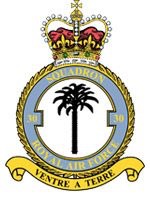 | RFC |  |  |
||||||
| 44 | Brumowski | Godwin | Hptm |  Order of the Iron Crown  Order of Leopold 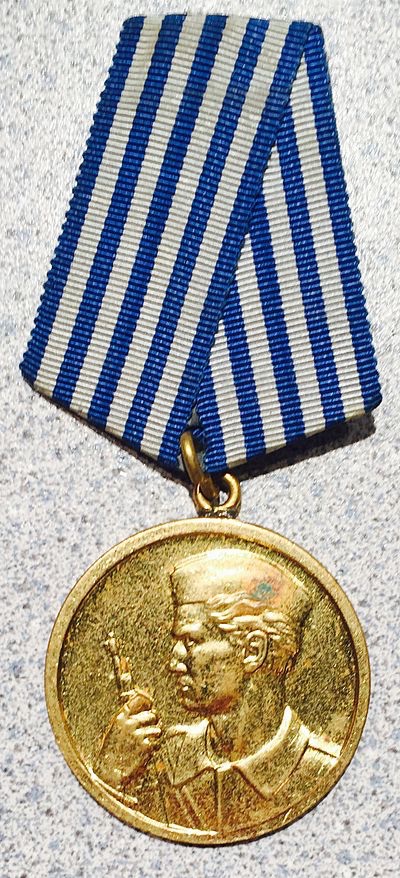 Medal for Bravery 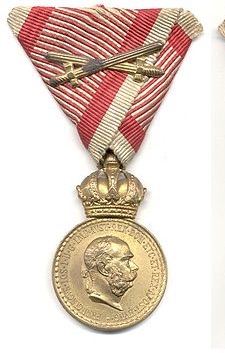 Military Merit Medal  Iron Cross | Austro-Hungarian Empire | Central Powers | Pilot See Note | 35 | [18+17] (5 balloons) | Flik1 (obs), Flik12, Jasta24, Flik41J | 1936-06-03 Schipol, Netherlands | H-B and Albatros ace, Italian front. Most successful fighter ace of the Austro-Hungarian Air Force during World War I. He was officially credited with 35 air victories, with 8 others unconfirmed because they fell behind Allied lines. Brumowski (L) in front of Albatross lll. Frank Linke-Crawford (R) December 1917  Brumowski with Aircraft Insignia | Franks (40 Shores, other sources 8 unconfirmed) |  |
||
| 45 | Gorringe | Frank Clifford | Capt | Great Britain | Allies | Pilot | 14 | [9+5] (12 kills+2 Lost Control) | 4Sqn, 70Sqn, 210Sqn | RFC | Camel ace, 1917-18. | Shores | |
|||
| 46 | Paull | Joseph A | 2/Lt | Canada | RFC | PMR71-663 1916 Eight young Canadian fledgling warbirds, shown at the RCF's School of Military Aeronautics, Oxford, shortly after their arrival from Canada during November and December 1916. These eight, all newly-appointed 2/Lts (on probation), were amongst those recruited by Innes-Ker in Canada during the closing months of 1916 and sent overseas for their training. 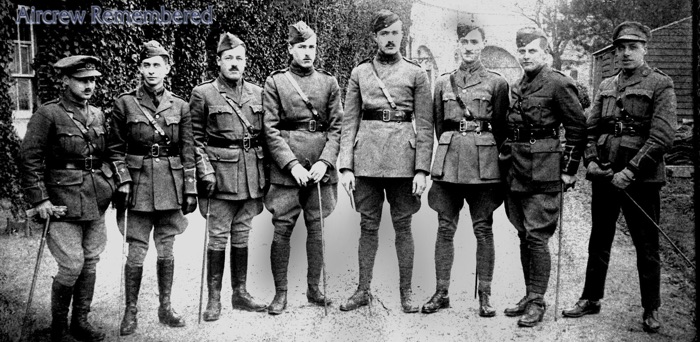 L to R: Joseph A. Paull of West Vancouver, British Columbia; Douglas French of Calgary, Alberta; Thomas H. Barton of Beeton, Ontario; Harold T. Leslie of Toronto; William A. Leslie of Toronto, Ontario; William W. Rogers of Alberton, Prince Edward Island; Ralph U. Phalen of Lockport, Nova Scotia; and Frank W. Curtis of Toronto. Photograph courtesy of W.A. Leslie, Weston, Ontario. via François Dutil | |
|||||||||
| 47 | Billinge | Frank | Capt | Great Britain | Allies | Pilot See Note | 5 | [2+3] (3 kills+2 Lost Control) | 20Sqn(gunner), 32Sqn, 56Sqn | RFC & RAF | FE2, DH2, SE5 pilot, 1916-18. DOW 1918. | Shores | |
|||
| 48 | Bell | Frank William | Sgt | Great Britain | Allies | Observer | 6 | (4 kills+2 Lost Control) | 9Sqn, 49Sqn (gunner) | RAF | DH9 bomber gunner, 1918. | Franks-Guest | |
|||
| 49 | Baylies | Frank Leamon | Lt | USA | Allies | Pilot | 12 | [9+3] | SPA 73, SPA 3 FFC | Aviation Militaire Française | 17/06/1918 | KIA. | Bailey & Cony (Some sources +1 unconf victories) |  |
||
| 50 | Baer | Paul Frank | 1stLt | USA | Allies | Pilot | 9 | [6+3] | 103rdAS | US Air Service | Bailey & Cony (Some sources 4 unconf victories) | |
||||
| 51 | Apps | Gordon Frank Mason | Lt | Great Britain | Allies | Pilot | 10 | [9+1] (8 kills+2 Lost Control) | 66Sqn | RFC | Camel ace, Italy, 1918. | Shores | |
|||
| 52 | Alberry | Frank | Lt | DSM | Australia | Allies | Pilot | 7 | (2 kills+5 Lost Control) | 2Sqn | Australian Flying Corps | 1969-01-23, Concord, Sydney, NSW | SE 5 ace, 1918. 'One Legged Ace' .867, 8th Battalion, AIF Born 1892-09-19, Hobart, Tasmania. On the 25 July 1916 whilst serving with the 8th Batallion at the battle of Pozières on the Somme, Sergeant Alberry was wounded after a bullet shattered his kneecap and his right leg was eventually amputated above the knee. Following this action, he was awarded the Distinguished Service Medal. (DSM) After a period of convalescence, he applied for pilot training, only to be told they did not have an authority to accept him with only one leg. He sent a personal request to King George V, who, after hearing Alberry’s story, gave him a letter addressed to the Air Board requesting he be accepted for training in the Air Force.After completing his training with the Royal Flying Corps (R.F.C.) in June 1918, he was posted to No 2 Squadron Australian Flying Corps (AFC) in France, flying the Royal Aircraft Factory SE5a biplane. Always keen to be where the action was, he followed the front-line into Europe and on the 16th September was involved in a dog fight where he shot down a Fokker over France. Alberry’s combat report reads: “As the patrol dived on the formation of enemy aircraft encountered 1 mile NW of Lille, I singled out one and dived on it firing about 50 rounds at close range. The enemy aircraft did a side-slip, left hand turn, and flames and smoke were coming from the cockpit.” Two more victories were achieved on the 17th September with a further successful encounter on the 18th October. This was followed up on the 28th October with two more victories, elevating him to Ace status, with his final conquest occurring on the 4th November 1918, (a week before the end of the war). After the war he returned to Australia and settled as a timber feller and machinist. Courtesy Tasman Aviation History Frank Alberry’s Victories in SE5a (D6995) 16 Sep 1918 0730 Fokker D.VII (Destroyed) NW of Lille 17 Sep 1918 1020 Fokker DR.I (Out Of Control) Lille 17 Sep 1918 1020 Fokker D.VII (O) Lille 18 Oct 1918 1230 Fokker DR.I (O) N of Tournai 28 Oct 1918 1120 Fokker D.VII (O Bandour 28 Oct 1918 1120 Fokker D.VII (D) Bandour 04 Nov 1918 1310 Fokker D.VII (O) Houtaing | Shores/Frank via Tasman Aviation History Society | Paul McGuiness Archive Tasman Aviation History |  |
| 53 | Luke | Frank Jr | 2ndLt | Medal of Honor DSC DSC + Oak Leaf Cluster | USA | Allies | Pilot | 18 | 14 balloons | 27thSqn, 2Sqn | US Air Service | (Some sources 15, 21 victories) | Story | 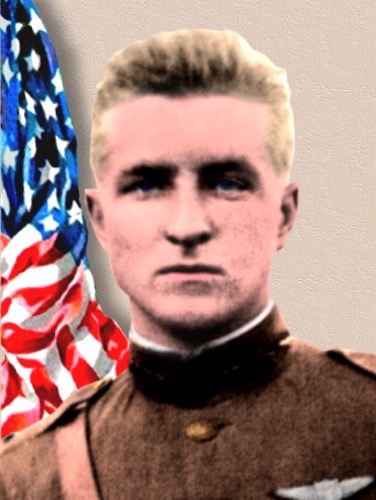 |
||
| 54 | Guynemer | Georges Marie | Capt | Légion d'honneur Croix de Guerre Médaille militaire | France | Allies | Pilot | 53 | [48+5] (+ 35 unoff.) | HF1, Caudron C 94 CRP, MF 1, Nieuport N 95, Nieuport N 3, SPAD SPA 167 | Aviation Militaire Française | 11/09/1917 | 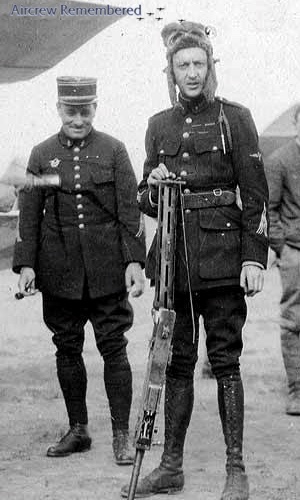 Guynemer with German machine gun 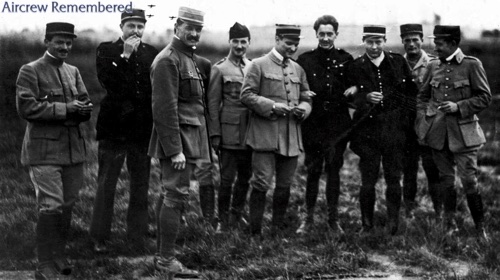 Bonneuil Castle, South East Golancourt in August 1917. From L to R : Slt Joanny Chalandon (obs N 79 ) - Slt Edouard Kauffmann (pilot N 79 ) - Maj Paul Pouderoux ( commander aerospace 3rd Army ) - Ltt Louis Zang (observer N 79 , hidden by Pouderoux ) - Slt Jacques Lignières (pilot N 153) - Capt Robert Frank (commander N 79 ) - Capt Georges Guynemer (pilot SPA 3) - Georges Ltt Gigodot (commander N 153) - Henry Slt Blitz (observer N 79 ) - Slt Emile Brantonne (pilot N 153) | Bailey & Cony, Porret (54 Shores) | 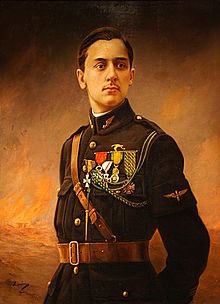  Guynemer (L) Charles Guerder (R) Gunner |
|
| 55 | Hale | Frank Lucien | Capt | USA | Allies | Pilot | 7 | 4 dest + 3 Lost Control | 32Sqn, 85Sqn RAF | RAF, USAAF | 07/06/1944 | SE5 ace, 1918. 8thAF, WWII. | Shores (18 Toliver) (Some sources 8 victories) | |
||
| 56 | Hayes | Frank Kerr | 1stLt | USA | Allies | Pilot | 6 | 13th Sqn | US Air Service | Toliver-Constable | |
|||||
| 57 | Hesselink | Johann | Ltn | Netherlands | Central Powers | Pilot | 1 | (+ 1 prob.) | FFA57, Jasta33, Jasta39, FEA5 | Deutsche Luftstreitkräfte | 20/12/1918 | Frank-Bailey-Duiven (Other sources 2) | ||||
| 58 | Hill | Richard Frank | 2ndLt | Great Britain | Allies | Observer | 7 | (4 kills+3 Lost Control) | 20Sqn (gunner) | RFC | 17/09/1918 | FE2, Bristol Fighter gunner, 1917. | Franks-Guest | |
||
| 59 | Hill | Richard Frank | 2ndLt | Great Britain | Allies | Observer | 7 | (4 kills+3 Lost Control) | 20Sqn (gunner) | RFC | 17/09/1918 | FE2, Bristol Fighter gunner, 1917. | Franks-Guest | |
||
| 60 | Hobson | Frank H. | Capt | Great Britain | Allies | Pilot | 15 | [13+2] (10 kills+5 Lost Control) | 70Sqn | RFC | Camel ace, 1917-18. | Shores | |
|||
| 61 | Howe | Percy Frank C. 'Swazi' | Lt | Swaziland | Allies | Pilot | 4 | (3 kills+2 Lost Control) + 1 unconf | 74Sqn | RAF | SE5 ace, 1918. | Shores. | |
|||
| 62 | Hudson | Frank Neville | Capt | Great Britain | Allies | Pilot | 6 | [5+1] (1 balloon)(3 kills+3 Lost Control) | 15Sqn, 54Sqn | RFC | Pup ace, 1917. POW. | Shores | |
|||
| 63 | Hunter | Frank O'Driscoll | 1stLt | Distinguished Service Cross (5) Army Distinguished Service Medal Silver Star Legion of Merit Distinguished Flying Cross Purple Heart | USA | Allies | Pilot | 8 | 94th & 103rd Sqn | US Air Service | Toliver-Constable (Some sources 9 victories) | Archive Report |  |
|||
| 64 | Johnson | Frank | Sgt | Great Britain | Allies | Pilot 2 Seater Obseerver | 12 | (6 kills+10 Lost Control) | 22Sqn (gunner), 20Sqn, 62Sqn | RFC & RAF | FE2 gunner, F2B pilot, 1916-18. | Franks-Guest | |
|||
| 65 | Kingsford-Smith | Charles 'Smithy' | Australia | Allies | Pilot | 6 | (2 balloons) | 23Sqn | RFC | (Other sources 7, 4) |
|
|||||
| 66 | Leblanc-Smith | Maurice | Maj | Great Britain | Allies | Pilot | 7 | [6+1] | 18Sqn, 73Sqn | RFC & RAF | FB5, DH2, 1915-16; Camel ace, 1918. | Shores | |
|||
| 67 | Linke-Crawford | Frank | Oblt | O Iron Cross | Austro-Hungarian Empire | Central Powers | Pilot See Note | 27 | [13+14] (2 balloons)(+ 1 unconfirmed) | Flik22 (obs), 12, 41J, 60J | 30/07/1918 | Albatros, Phoenix, Italy,1917-18. KIA. | Franks | |||
| 68 | Agabeg | Ivan Wilmot Frank | Lt | Great Britain | Allies | Observer | 6 | 88Sqn (observer) | RFC | 22 November 1967 | Bristol Fighter observer ace, 1918. Born in Bengal, India, Ivan Wilmot Frank Agabeg was at Cheltenham College from 1907 to 1915. Joined the 2nd Battalion of the South Lancashire Regiment. Wounded in France June 1917 and promoted to 2nd Lieutenant on 7 October 1917. In May 1918, Agabeg transferred to the Royal Flying Corps and served with 88 Squadron as a Brisfit observer, scoring six victories with his pilots. Left the Royal Air Force on 9 April 1919. | Franks-Guest (7 Shores) | Allied Losses Database Alfred Agabeg | |
Results 1 to 68 of 68.


