
- Home
- Maps▾
- FAQ▾
- About/Donate▾
- News▾
- Obits
- Contact/Help▾
- PersonalHistories▾
- Cross Reference Research Lists ▶
- Recent Archive Reports
- Profiles in Courage
- 1914 -1918 WW1 Material
- Royal Air Force + RAFVR ▶
- WAAF/WRAF
- Australia
- Belgium
- Canada
- Site honouring Czechoslovak RAF
- Holland: LOST Rob Philips Memorial Archive
- New Zealand
- Norway, Denmark, Sweden, Finland
- Poland
- South Africa
- Archiwum Mielnika: Polish Air Force Archive
- USAAF & USAF
- USA WASP Flygirls
- USA - Co de Swart Gallery: Baker Crew 95th BG
- USA - Co de Swart Gallery: Geyer Crew 98th BG
- Axis Powers
- Russia/Soviet Union
- RCAF 409 The Nighthawks
- Hore-Kennard RCAF
- Zenon Bartkowiak PAF
- Charles Dills USAAC
- Gerald Schwartz USAAC
- Ralph Malan Memoirs
- Soviet Women 'Night Witches'
- Full Story of Lancaster Z-Zebra
- First Air Raid Victim
- 1914 -1918 WW1 Material
- Databases▾
- Databases Master List
- Consolidated Names: includes 500K+ names from all our databases
- Cross Reference Research Lists
- Research Sources
- MULTI-NATIONAL DATABASES
- Aces and Aviators International WW1 - 3000+
- Vitz Archive: War Crimes Victims of Axis
- NEW! USAAF & Allies Non Combat Incidents and Losses
- ALLIED DATABASES
- Allied Losses and Incidents: all Commands
- Aircrew Deaths & Resting Places Worldwide 1939 - 47 120,000+
- Alamein Allied Air Forces Memorial 3000+
- Allied Non-British Graves in Europe managed by CWGC
- Battle of Britain: Enhanced and Extended
- Glider Pilot Regiment Casualties
- Korean War UN Forces Database
- LOST Rob Philips Memorial Archive Dutch/2TAF Losses
- Malta Memorial Database
- Nordic Allied Database
- Ottawa Allied Air Forces Memorial Database
- Paradie RCAF Archive
- Archiwum: Polish Air Force Archive
- Polish Honour Roll
- RAAF Honour Roll
- RCAF Notes - 9000+
- Royal Navy Fleet Air Arm
- Runnymede Memorial Database
- Soviet Aces Database 1941 - 1945
- US Aces and Aviators WW2
- US Air Service Victories WW1
- USAAF Allies NonCombat Losses
- USAAF Operations WWll
- US Marine Corps Squadrons WWll
- Vitz Memorial Archive: War Crimes Victims of Axis
- AXIS DATABASES
- Kracker Luftwaffe Archive
- Deutsches Kreuz in Gold
- German Graves in UK
- German WW2 Aces
- Luftwaffe Graves Managed by CWGC
- Luftwaffe Victories by Name/Date
- Archives ▾
- Archiwum: Polish Air Force Archive: Data on 17,000
- Kracker Luftwaffe Archive
- LOST Rob Philips Memorial Archive: Holland
- Paradie Canadian Archive
- Paul McGuiness RAAF Archive WW1 & WW2
- Profiles in Courage
- Vitz Memorial Archive: War Crimes Victims of Axis
- USAAF Combat Operations 1941-45 Worldwide
- 409 RCAF: The Nighthawks
- Detailed Personal Archive RCAF Officer
- Charles Dills Archive
- Gerald Schwartz Archive
- Ralph Malan Memoirs
- RAF Coastal Command Patrol Areas
- US Intelligence Analysis German Anti Aircraft
- Allied Mine Laying Map (Gardening)
- Airborne Forces - a short history
- More ▾
- de Swart Gallery: Baker Crew, Geyer Crew
- Guide to Complete Site
- Helpdesk
- Donate
- Lay a Wreath
- Your relative's CWGC grave explained
- CWGC War Graves in USA
- Doing Your Own Research
- Research Sources
- US Assistance to Warsaw Uprising
- Our support for charities
- Axis Awards Descriptions
- Stolperstein: Permanent Remembrance
- Who fought for Britain 1939 - 1945
- Aerotoxic Syndrome
- Bermuda Triangle Mystery
- Cross Reference Research Lists
- Not Many People Know That
- Image Acknowledgements
- Abbreviations Used by Forces
- Poetry of Direct Personal Experience
- Staggering Cost in Lives of WWll
- Animated Map All Allied Bombing WW2
- USAAF Combat Operations 1941-45 Worldwide
- Polish Airmen Fighting (Video)
- Important Links
- Canada Memorial Project
- Remembering Banica
- Book Reviews
- 1 BFTS Texas
- Veterans Appeals
- Korean Conflict
- Vietnam Conflict
- Other Conflicts
- Commercial Aviation
- Bush Flying
- Nose Art
- Military Humour
- Airborne Forces - a short history
-

Paradie RCAF Archive: 45,000+ Entries
Check the Databases Menu for the extensive list of our databases which represent decades of original research by our Editors
Data derived from many sources. Corrections/Additions requested through Helpdesk
Back to Top
Search Tips •
Maj. Paradie Bio •
Check Spelling Names •
Databases on Site • This data is constantly being updated and enhanced by Captain François Dutil RCAF
Further RCAF information is on our Pages Relating to Canada and our RCAF Notes Database and in the RCAF section of our Allied Losses and Incidents Database This database lists all known RCAF flying-related personnel who served 1939 - 1945 and onwards in many cases.
You may also want to check RCAF entries in the Allied Losses and Incidents Database.
 (1) Check Spelling Names link
(2) To search for 3-character names add 'x' to name e.g. for 'coe' search for 'coex'
(3) Check Serial has no spaces eg NB456
(4) Check date format is YYYY-MM-DD include hyphens
(5) Check you have seen all pages, see bottom of table
(6) All squadrons use form '5Sqn' You must include 'Sqn'
(7) Read Search Tips: Database section
(8) Scroll to right to see last column
(9) Try portion of searchword (using Contains Word option)
(10) Cntact us via Helpdesk for assistance
In November 2017 François Dutil began adding extensive information and many images from his research files,
for which we are grateful. Please contact us via our Helpdesk if you have additional information or images.
"Conversion from the original data held as images of old teletype sheets must have taken Major Paradie years.
The Paradie database is as close to a treasure as the World will see.” François Dutil
DUPLICATES EXIST IN THIS DATABASE
We have integrated entries from several databases in the Paradie Archive and as a result there may be more than one entry for a given individual. To ensure you read all the data we have on a person, use the Service Number (without the prefix J/ P/ R/ etc.) to perform a further search for more information on that person.
DATA ALIGNMENT IN PROCESS OF BEING ADJUSTED
Owing to problems with encoding methods, some records require manual adjustment to bring data elements within the record into alignment. This is a lengthy and ongoing process. If the record you are looking at is hard to read, it means we have yet to make the appropriate manual adjustments, so send us a message via the Helpdesk and we will correct that record.
SEARCHING ON SERIAL NUMBERS
Most records were originally encoded with aircraft serial numbers in the format AB 123. The standard is to use the format AB123. We have a long term project underway to change all serial numbers to the standard form, but with 50,000+ records this is a long process.
for which we are grateful. Please contact us via our Helpdesk if you have additional information or images.
"Conversion from the original data held as images of old teletype sheets must have taken Major Paradie years.
The Paradie database is as close to a treasure as the World will see.” François Dutil
DUPLICATES EXIST IN THIS DATABASE
We have integrated entries from several databases in the Paradie Archive and as a result there may be more than one entry for a given individual. To ensure you read all the data we have on a person, use the Service Number (without the prefix J/ P/ R/ etc.) to perform a further search for more information on that person.
DATA ALIGNMENT IN PROCESS OF BEING ADJUSTED
Owing to problems with encoding methods, some records require manual adjustment to bring data elements within the record into alignment. This is a lengthy and ongoing process. If the record you are looking at is hard to read, it means we have yet to make the appropriate manual adjustments, so send us a message via the Helpdesk and we will correct that record.
SEARCHING ON SERIAL NUMBERS
Most records were originally encoded with aircraft serial numbers in the format AB 123. The standard is to use the format AB123. We have a long term project underway to change all serial numbers to the standard form, but with 50,000+ records this is a long process.
If you would like our team to research a family member or friend who appears in this database, contact us via the Helpdesk. We will send you instructions.
Our hosting service imposes a 4-character search minimum for database tables. We have modified our databases to support 3-character name searches.
Add 'x' to 3-character name: e.g. to search for 'coe' put 'coex' in search box, for 'fox' put 'foxx'.
If you need help, EMAIL us with name and database to search and we will perform the search manually for you.
To search on squadron, append 'Sqn'. Examples: '72Sqn' or '416Sqn'
These are the results of your search:
You searched for: “land”
| # | •••••••••••••••Name••••••••••••••• | •••••••••••••••Initials••••••••••••••• | Rank | Photo | •••••••Awards••••••• | •••••Fate••••• | •••••••••••Origin••••••••••• | Prefix | Number | ••••••••••Position•••••••••• | •••••••••••••••Unit••••••••••••••• | •••••••••••••••Aircraft••••••••••••••• | •••••••••••••••••••••••••••••FurtherInformation••••••••••••••••••••••••••••• | •••••••••••••••••••••••••••••Notes••••••••••••••••••••••••••••• | •••••••••••••••Links••••••••••••••• |
|---|---|---|---|---|---|---|---|---|---|---|---|---|---|---|---|
| 1 | Shoener | Kenneth Frank | Warrant Officer Class II |  | Killed 1944-03-31 Age | R/144198 | 427Sqn | Halifax LV898 | Commemorated Rheinberg War Cemetery, 14. E. 3. Germany. Halifax LV898, piloted by Squadron Leader J. M. Bissett, DFM was detailed to attack Nuremberg, as part of the main force of 795 aircraft, and was shot down by an enemy night-fighter and crashed at Herhahn, 4km north west of Schleiden, on 30-31 March 1944. All the crew were killed. The raid on Nuremberg on the night of 30-31 March 1944 was the blackest night for Bomber Command in the whole of the War, with some 96 aircraft lost. 'The Bomber Command War Diaries' by Martin Middlebrook gives the following account: ‘This would normally have been the moon and stand down period for the main bomber force but a raid on the distant target of Nuremberg (8 hours round trip) was planned on the basis of a forecast predicting protective high cloud on the outward route. 795 aircraft were despatched. The German Controller ignored all diversions and assembled his fighters at 2 radio beacons which happened to be astride the route to Nuremberg. The first night fighters appeared just before the bombers reached the Belgian border and a fierce battle in the moonlight lasted for the next hour. 82 bombers were lost on the outward route. The action was much reduced on the return flight, when most of the night fighters had had to land but 96 bombers were lost in total, the largest Bomber Command loss of the war. The main raid over Nuremberg was a failure, the city was covered in thick cloud and a fierce cross wind which developed on the final target approach made the Pathfinder aircraft move too far to the East, little damage was caused. Subsequent research showed that 120 aircraft had bombed Schweinfurt, 50 miles to the North West of Nuremberg and that there had been a 10 mile ‘creep back’ in the main bombing.’ Three Halifax’s from 427 Squadron were lost in the raid with only two crew members surviving. 'The Nuremberg Raid' by Martin Middlebrook gives additional information onLV898: ‘At least nine flight commanders went missing, all killed. 427Sqn lost both A and B flight commanders- Squadron Leader’s Bissett, DFM, and Laird, DFC both Manitobans. Bissett’s crew had already caused anxiety on the squadron when starting their second tour by their apparent unconcern at the importance of keeping on course and his loss was not unexpected. In fact, Bissett’s Halifax had crashed almost exactly on track south of Aachen.’ | Aircrew Deaths Database Allied Losses Database Halifax LV898 |
|||||
| 2 | Land | Robert James | Flight Lieutenant | Killed 1945-01-14 Age 27 | J/11579 | 401Sqn | Commemorated Oldenzaal Roman Catholic Cemetery, Row 30. Grave 3. Netherlands (Holland). Son Of Mr. And Mrs. F. G. Land; Husband Of C. C. Land, Of Kerrobert, Saskatchewan, Canada. | Aircrew Deaths Database | |||||||
| 3 | Leclaire | Joseph Jacques H. Guy | Flying Officer | | Killed 1944-03-31 Age 26 | J/16096 | W/Op Air Gunner | 427Sqn | Halifax V898 | Commemorated Rheinberg War Cemetery, 14. E. 5. Germany. Son Of J. Paul And Emilie Jeannotte Leclaire Of Outremont, Quebec Halifax LV898, piloted by Squadron Leader J. M. Bissett, DFM was detailed to attack Nuremberg, as part of the main force of 795 aircraft, and was shot down by an enemy night-fighter and crashed at Herhahn, 4km north west of Schleiden, on 30-31 March 1944. All the crew were killed. The raid on Nuremberg on the night of 30-31 March 1944 was the blackest night for Bomber Command in the whole of the War, with some 96 aircraft lost. 'The Bomber Command War Diaries' by Martin Middlebrook gives the following account: ‘This would normally have been the moon and stand down period for the main bomber force but a raid on the distant target of Nuremberg (8 hours round trip) was planned on the basis of a forecast predicting protective high cloud on the outward route. 795 aircraft were despatched. The German Controller ignored all diversions and assembled his fighters at 2 radio beacons which happened to be astride the route to Nuremberg. The first night fighters appeared just before the bombers reached the Belgian border and a fierce battle in the moonlight lasted for the next hour. 82 bombers were lost on the outward route. The action was much reduced on the return flight, when most of the night fighters had had to land but 96 bombers were lost in total, the largest Bomber Command loss of the war. The main raid over Nuremberg was a failure, the city was covered in thick cloud and a fierce cross wind which developed on the final target approach made the Pathfinder aircraft move too far to the East, little damage was caused. Subsequent research showed that 120 aircraft had bombed Schweinfurt, 50 miles to the North West of Nuremberg and that there had been a 10 mile ‘creep back’ in the main bombing.’ Three Halifax’s from 427 Squadron were lost in the raid with only two crew members surviving. 'The Nuremberg Raid' by Martin Middlebrook gives additional information onLV898: ‘At least nine flight commanders went missing, all killed. 427Sqn lost both A and B flight commanders- Squadron Leader’s Bissett, DFM, and Laird, DFC both Manitobans. Bissett’s crew had already caused anxiety on the squadron when starting their second tour by their apparent unconcern at the importance of keeping on course and his loss was not unexpected. In fact, Bissett’s Halifax had crashed almost exactly on track south of Aachen.’ | Aircrew Deaths Database Allied Losses Database Halifax LV898 |
||||
| 4 | MacKell | T.E. | F/L | C | 2915 | Land Line Officer | RCAF | N/A | 26 Oct 44 - | ||||||
| 5 | MacLean | John Heath | F/O | Injured | J | 36643 | PLT | 1666HCU (RCAF) | Halifax LW235 | 20 Oct 1944 - Crashed attempting to land | (Information courtesy Francois Dutil) | Yorkshire Aircraft Co | |||
| 6 | McBride | A.C. | P/O F/O | 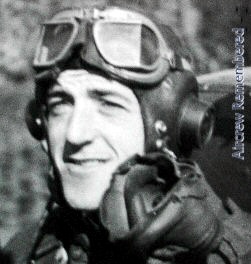 | Evaded | J | 85728 | PLT | 439Sqn (RCAF) 439Sqn (RCAF) RCAF | Typhoon Typhoon MN379 X | 15 Sep 1944 2 Oct 1944 - Flak, belly landed in no man's land 29 March 1945 - Tour expired | (Information courtesy Francois Dutil) | Accident report Losses and Incidents Database |
||
| 7 | Moul | Arthur John 'Jack' | F/Sgt | R | PLT | 416Sqn | Spitfire | 27 May 42 - | Aircraft damaged by the explosion of the locomotive he has just attacked in the Pas-de-Calais. It must land at sea in front of Le Touquet and swim to the coast where he is captured. Interned at Stalag Luft III in Sagan, he will participate in 'The Great Escape'. Escapee number 77, the operation is discovered when the Escapee 76 is discovered at the exit of the tunnel by the guards. | Allied Losses Database | |||||
| 8 | Niven | Hugh Glen 'Nuts' | P/O |  | Died 2008-04-08 | Toronto | Pilot | 601 Sqd 602Sqn  | Spitfire | 7 May 1939 Joins 602Sqn AAF Abbotsinch 11EFTS Perth 25 Oct 1939 15 FTS Lossiemouth 23 March 1940 17 Aug 1940 5OTU Hurricanes 1 Sep 1940 Rejoined 602Sqn 4 Sep 1940 601Sqn Debden 21 Sep 1940 rejoined 602Sqn July 1941 603Sqn Late July 1941 602Sqn 24 Sep 1941 Hospital with TB 12 March 1942 Invalided out as F/O 1946 rejoined 602 as civilian clerk | Battle of Britain Born in Toronto, Canada in 1919. Moved to Scotland in June 1937. Joined 602Sqn, Auxiliary Air Force at Abbotsinch on 7th May 1939 and began his training in Avro Tutors. Posted to 11EFTS Perth on 25th October 1939. 15 FTS Lossiemouth on 23rd March 1940. 5OTU Aston Down on 17th August to convert to Hurricanes. Rejoined 602Sqn at Westhampnett, on 1st September 1940 but, having had no Spitfire experience, posted to 601Sqn at Debden three days later. After much complaining he rejoined 602Sqn on 21st September. Spitfire, X4603, was damaged in combat with Me109s over Maidstone on 29th October. Apart from a few days with 603 Squadron in late July 1941, Niven was serving with 602 until 23rd September 1941. Admitted to Horton Emergency Hospital on the 24th, suffering from TB. He was invalided out of the RAF on 12th March 1942 as a Flying Officer. He spent some years in hospital. When 602 Squadron was reformed in June 1946, Niven rejoined as a civilian clerk. 'Nuts' Niven found an aircraft filling his sights on 29 October 1940 and opened fire only to find out that it was fellow Glaswegian, F/L Donald MacF Jack, in his Spitfire Mk Ia. During the same sortie, Niven's port wing tip and aileron were damaged over Maidstone and, as he spiralled down, said his prayers, 'Our Father, which art in heaven, get this sod off my tail'. He continued to drop until he reached 5,000ft and managed to land at his airfield. | Battle of Britain Database Allied Losses Database |
|||
| 9 | Pollock | G.N. | Sgt | Injured | R | 147311 | WAG | 1666HCU (RCAF) | Halifax LW235 | 20 Oct 1944 - Crashed attempting to land | (Information courtesy Francois Dutil) | Yorkshire Aircraft Co | |||
| 10 | Shannon | Robert Alfred | Flying Officer | | DFM | Killed 1944-03-31 Age 21 | J/18167 | 427Sqn | Halifax LV898 | 01 Jan 44 - | Commemorated Rheinberg War Cemetery, 14. E. 2. Germany. Son Of Thomas L. Shannon And Kate E. Shannon, Of Winnipeg, Manitoba, Canada. Halifax LV898, piloted by Squadron Leader J. M. Bissett, DFM was detailed to attack Nuremberg, as part of the main force of 795 aircraft, and was shot down by an enemy night-fighter and crashed at Herhahn, 4km north west of Schleiden, on 30-31 March 1944. All the crew were killed. The raid on Nuremberg on the night of 30-31 March 1944 was the blackest night for Bomber Command in the whole of the War, with some 96 aircraft lost. 'The Bomber Command War Diaries' by Martin Middlebrook gives the following account: ‘This would normally have been the moon and stand down period for the main bomber force but a raid on the distant target of Nuremberg (8 hours round trip) was planned on the basis of a forecast predicting protective high cloud on the outward route. 795 aircraft were despatched. The German Controller ignored all diversions and assembled his fighters at 2 radio beacons which happened to be astride the route to Nuremberg. The first night fighters appeared just before the bombers reached the Belgian border and a fierce battle in the moonlight lasted for the next hour. 82 bombers were lost on the outward route. The action was much reduced on the return flight, when most of the night fighters had had to land but 96 bombers were lost in total, the largest Bomber Command loss of the war. The main raid over Nuremberg was a failure, the city was covered in thick cloud and a fierce cross wind which developed on the final target approach made the Pathfinder aircraft move too far to the East, little damage was caused. Subsequent research showed that 120 aircraft had bombed Schweinfurt, 50 miles to the North West of Nuremberg and that there had been a 10 mile ‘creep back’ in the main bombing.’ Three Halifax’s from 427 Squadron were lost in the raid with only two crew members surviving. 'The Nuremberg Raid' by Martin Middlebrook gives additional information onLV898: ‘At least nine flight commanders went missing, all killed. 427Sqn lost both A and B flight commanders- Squadron Leader’s Bissett, DFM, and Laird, DFC both Manitobans. Bissett’s crew had already caused anxiety on the squadron when starting their second tour by their apparent unconcern at the importance of keeping on course and his loss was not unexpected. In fact, Bissett’s Halifax had crashed almost exactly on track south of Aachen.’ | Aircrew Deaths Database Allied Losses Database Halifax LV898 |
|||
| 11 | Sherwood | L.E. | F/O | Injured | J | 38777 | NAV | 1666HCU (RCAF) | Halifax LW235 | 20 Oct 1944 - Crashed attempting to land | (Information courtesy Francois Dutil) | Yorkshire Aircraft Co | |||
| 12 | Land | James Edward | Pilot Officer |  | Killed 1942-09-19 Age 22 | J/85241 | 15Sqn | Commemorated Runnymede Memorial, Panel 100. United Kingdom. Son Of John Frank And Beulah Ellison Land; Husband Of Helen Louise Land, Of Baldwyn, Mississippi, U.S.A. | Aircrew Deaths Database | ||||||
| 13 | Shylega | Bertram | Flying Officer |    | Killed 1945-01-04 Age 23 | J/26204 | Pilot | 53OTU | Spitfire EE661 | Killed when he tried to land his Spitfire aircraft in zero visibility; the aircraft crashed five miles south of Wickenby, Lincolnshire, England. | Commemorated Harrogate (Stonefall) Cemetery, Sec. G. Row E. Grave 16. United Kingdom. Son Of Joseph And Mary Shylega, Of Rivers, Manitoba, Canada. Parents from Kiev, Ukraine Flying instructor from Rivers, Manitoba, stationed at RAF Kirton in Lindsey with 53OTU who took off from here on 1945-01-04. Entering a snowstorm 5 miles south of Wickenby the aircraft suffered engine failure and crashed near Langdon by Wragby as Bertram attempted a forced landing. | Aircrew Deaths Database Allied Losses & Incidents Database |
|||
| 14 | Somerville | E.L. | F/O | Injured | J | 38674 | BA | 1666HCU (RCAF) | Halifax LW235 | 20 Oct 1944 - Crashed attempting to land | (Information courtesy Francois Dutil) | Yorkshire Aircraft Co | |||
| 15 | Strang | Gerald Lee | Sgt | 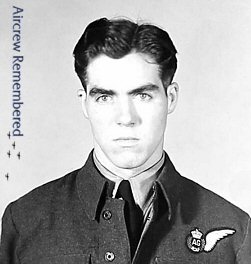  | KIFA Age 19 | R | 171882 | AG | RFCAF 3MD (RCAF) 4ITS (RCAF) 2AGGTS (RCAF) 3B&GS (RCAF) 3PRC (RCAF) 22OTU (RAF) 1664CU (RCAF) 405Sqn (RCAF) 405Sqn (RCAF) Last Op | X X X X Battle X Wellington Lancaster Lancaster Lancaster JB477 | 2 July 1942 - Enlisted in the RCAF - Edmonton, Alberta 28 Sep 1942 - Edmonton, Alberta 10 Jan 1943 - Edmonton, Alberta 4 Apr 1943 - Trenton, Ontario 16 May 1943 - Macdonald, Manitoba 23 July 1943 - Bournemouth, UK 3 Aug 1943 - RAF Wellesbourne Mountford, Warwickshire 21 Sep 1943 - RAF Croft, North Yorkshire 31 Oct 1943 - RAF Gransden Lodge, Cambridgeshire 16 Dec 1943 - Crashed while attempting to land in heavy fog | Commemorated Cambridge City Cemetery, Grave 14556A. United Kingdom. Son of Lee and Ethel May (Nee Perry) Strang, of Grande Prairie, Alberta. (Information courtesy Francois Dutil) | Losses and Incidents Database Accident report |
||
| 16 | Thomas | Frank Woods | Sgt | Injured | R | 267550 | AG | 1666HCU (RCAF) | Halifax LW235 | 20 Oct 1944 - Crashed attempting to land | (Information courtesy Francois Dutil) | Yorkshire Aircraft Co | |||
| 17 | Vagg | Robert Arthur James | Flying Officer |    | Killed 1944-02-12 Age 28 | J/23744 | Air Bomber | 12OTU | Wellington BK248 | Crashed at night near Fosters Booth, Northampton, England. At 2042 hours on the night of 1944-02-12 Wellington BK248 took off from RAF Chipping Warden detailed to carry out a night bombing training exercise. At 2122 hours, Flying Control called the aircraft instructing it to land. This message, which may not have been acknowledged, was later repeated, but nothing was known until 2300 hours when a report came through to say that the burnt out remains of a bomber had been found at Fosters Booth on Watling Street, some 9 miles north east of the airfield. Subsequently it was learnt that the crash had occurred at 2152 and that Sergeant Gillis was in hospital with a fractured leg. The other four crew members were killed in the crash.
Crew: Sergeant J J Gillis (R/153368) (RCAF) (Air Gunner) Injured Flying Officer Robert Arthur James Vagg (J/23744) (RCAF) (Air Bomber) Killed Sergeant William Leslie Pemberton (1262146) (RAFVR) (Air Gunner) Killed Flight Sergeant Lindsay Morton Sergeant (420604) (Pilot) Killed Sergeant Harold Lees Williams (1579033) (RAFVR) (Navigator) Killed | Commemorated Oxford (Botley) Cemetery, Plot I/2. Grave 160. United Kingdom. Epitaph: HE HAS FOUGHT A GOOD FIGHT, HE HAS FINISHED HIS COURSE, HE KEPT THE FAITH Son Of Robert Hilliam And Florence Rebecca Burroughs Vagg, Of Regina, Saskatchewan, Canada; Husband Of Verna Fay Vagg, Of Regina. | Aircrew Deaths Database Allied Losses & Incidents Database BK248 |
|||
| 18 | Wakefield | John | Sgt | 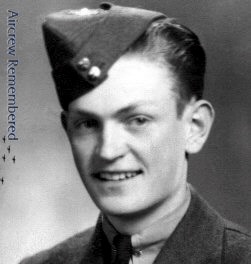 | KIFA Age 18 | R | 273518 | AG | RCAF 3 TC (RCAF) 10 B&GS (RCAF) 4 AGTS (RCAF) 3PRC (RCAF) 22OTU (RAF) 1666HCU (RCAF) 1666HCU (RCAF) Last Flight | X X Bolinbroke X X Wellington Halifax Halifax LW235 | 26 Aug 1943 - Enlisted in the RCAF 18 Oct 1943 11 Dec 1943 25 March 1944 11 May 1944 - UK 13 June 1944 20 Sep 1944 20 Oct 1944 - Crashed attempting to land | Commemorated Harrogate (Stonefall) Cemetery, Sec. G. Row B. Grave 18. United Kingdom. Son of Percival Richard and Elsie Ada (nee Payne) Wakefield, of Toronto, Ontario, Canada. (Information courtesy Francois Dutil) | Veterans Affairs Canada Yorkshire Aircraft Co |
||
| 19 | White | Robert John | Flying Officer | | DFM | Killed 1944-03-31 Age 26 | J/17506 | 427Sqn | Halifax LV898 | Commemorated Rheinberg War Cemetery, 14. E. 4. Germany. Son Of William And Helen White, Of Perth, Ontario, Canada. Halifax LV898, piloted by Squadron Leader J. M. Bissett, DFM was detailed to attack Nuremberg, as part of the main force of 795 aircraft, and was shot down by an enemy night-fighter and crashed at Herhahn, 4km north west of Schleiden, on 30-31 March 1944. All the crew were killed. The raid on Nuremberg on the night of 30-31 March 1944 was the blackest night for Bomber Command in the whole of the War, with some 96 aircraft lost. 'The Bomber Command War Diaries' by Martin Middlebrook gives the following account: ‘This would normally have been the moon and stand down period for the main bomber force but a raid on the distant target of Nuremberg (8 hours round trip) was planned on the basis of a forecast predicting protective high cloud on the outward route. 795 aircraft were despatched. The German Controller ignored all diversions and assembled his fighters at 2 radio beacons which happened to be astride the route to Nuremberg. The first night fighters appeared just before the bombers reached the Belgian border and a fierce battle in the moonlight lasted for the next hour. 82 bombers were lost on the outward route. The action was much reduced on the return flight, when most of the night fighters had had to land but 96 bombers were lost in total, the largest Bomber Command loss of the war. The main raid over Nuremberg was a failure, the city was covered in thick cloud and a fierce cross wind which developed on the final target approach made the Pathfinder aircraft move too far to the East, little damage was caused. Subsequent research showed that 120 aircraft had bombed Schweinfurt, 50 miles to the North West of Nuremberg and that there had been a 10 mile ‘creep back’ in the main bombing.’ Three Halifax’s from 427 Squadron were lost in the raid with only two crew members surviving. 'The Nuremberg Raid' by Martin Middlebrook gives additional information onLV898: ‘At least nine flight commanders went missing, all killed. 427Sqn lost both A and B flight commanders- Squadron Leader’s Bissett, DFM, and Laird, DFC both Manitobans. Bissett’s crew had already caused anxiety on the squadron when starting their second tour by their apparent unconcern at the importance of keeping on course and his loss was not unexpected. In fact, Bissett’s Halifax had crashed almost exactly on track south of Aachen.’ | Aircrew Deaths Database Allied Losses Database Halifax LV898 |
||||
| 20 | Widenoja | Edwin Tauno | F/O | Injured | J | 27281 | BA | 433Sqn (RCAF) | Halifax MZ828 | 5 Aug 1944 - Flak - Crashed attempting to land | (Information courtesy Francois Dutil) | Archive Report Yorkshire Aircraft Co Accident Report |
|||
| 21 | Wiens | R.H. | P/O F/O | Killed | RAF CAN | RAF | 42168 | PLT | RAF 242Sqn 85Sqn Canada Last Op X | X Hurricane Hurricane L1665 Anson Anson N9893 X | May 39 - Joined the RAF - fm Jansen - SK (*S) Nov 39 - 14 May 40 - 14 May 40 - X - Still part of 242Sqn - Nov 40 - 21 May 41 - Instructor - Goderich - ON 21 May 41 - Killed - Trying to crash land an Anson on fire nr Listowel - | ||||
| 22 | Follett | Albert | Sergeant |   | Killed 1943-11-07 Age 20 | R/176962 | AG | 15OTU RAF Hampstead Norris | Wellington Z9106 | Starboard engine cut out whilst in the landing circuit, the aircraft crashed near Oxford. | On returning to base from a Bullseye night exercise it was sighted flying at 1,000 feet and parallel to the flare path. Then, while turning to port the starboard engine surged and almost immediately the Wellington began to lose height. Pilot P/O AG McAlpine RAAF lost sight of the flare path and when his port engine cut out at 100 feet he had no option at 01:55hrs but to force-land straight ahead, hitting trees and a brick built garage at North Heath, Chievley, 5 miles N of Newbury, Berkshire. Crew: F/O (Aus418152) A F McALPINE (Pilot) RAAF P/O (J/24039) Frederick Florent SAIT (Nav) RCAF Sgt (1580574) W W BRIGHT (Wop/AG) RAFVR Sgt (636986) H. HAIR (Wop/AG) RAF - injured Sgt (R/176962) ALBERT FOLLET (AG) RCAF - killed Commemorated Oxford (Botley) Cemetery, Plot I/2. Grave 98. United Kingdom. Epitaph: AND I SHALL SEE HIM FACE TO FACE AND TELL THE STORY SAVED BY GRACE. Son of George J. Follett and Jessie I. Follett, of Grand Bank, Newfoundland. | Aircrew Deaths Database Allied Losses & Incidents Database Z9106 BBC Peoples War Story |
|||
| 23 | Bannock | Russ | P/O F/O F/L S/L W/C |  | DFC | C | 1086 | PLT | RCAF Vancouver Flying Cb RCAF Stn Trenton Camp Borden 112Sqn (RCAF) 1WS (RCAF) CFS Trenton 3 (RCAF) FIS 36OTU (RCAF) 60OTU 418Sqn 406Sqn OSHQ RAF Staff College RCAF RCAF Photos RCAF Photos RCAF Photos | N/A X X X X X X X X X Mosquito Mosquito X X X X X X | 09 Sep 39 - Joined the RCAF - 27 Sep 39 - X - 05 Nov 39 - X - 10 Dec 39 - 20 Feb 40 - Awarded Wings - 22 Apr 40 - RCAF Stn Ottawa - 10 Jul 40 - 10 Aug 40 - Instructor - 28 Aug 42 - 11 Oct 43 - 12 Nov 43 - RCAF Stn Greenwood - 11 Apr 44 - 10 Jun 44 - 29 Aug 44 - X - 20 Nov 44 - 04 Jan 45 - X - 28 Dec 44 - (Attached - still with 406Sqn) - 14 May 45 - 20 Aug 45 - 10 May 46 - Released from the RCAF - PL 33041 (with his Nav, F/O R. Bruce), PL 43732 (S/L Bannock - DFC & Bar), PL 24137 (Head and shoulder - no ribbons) & PL 31295 (with F/O Bruce beside their Mosquito) | 25.5 enemy destroyed including 19 V-1. Navigator R.R. Bruce Citation DFC: BANNOCK, S/L Russell (C1086) - Distinguished Flying Cross - No.418 Squadron Award effective 3 October (supplement of 29 Sept) 1944 as per London Gazette of that date & AFRO 2637/44 dated 8 December 1944. This officer has completed numerous sorties including several attacks on enemy airfields on which he has caused much disruption. He is a highly efficient flight commander and has showed much skill and initiative in the planning and execution of his missions. His successes include the destruction of many flying bombs, three of which he destroyed in one patrol. NOTE: Public Record Office Air 2/9159 has original recommendation by W/C A. Barker on 31 July 1944 when he had flown 12 sorties (54 hours ten minutes), although the statistics given below do not agree with those elsewhere in the document. Since joining this squadron in June, Squadron Leader Bannock has completed four Intruder sorties, one Day Ranger and 14 Anti-Diver patrols and has been outstanding in his keenness for any form of operational flying. On his second operational sortie on the night of 14th June, Squadron Leader Bannock attacked and destroyed a Messerschmitt 110 at Avord airfield. Then, using the burning enemy aircraft as a target indicator, he bombed the airfield with two 500-pound bombs. On July 17th, this officer carried out a long Night Ranger to Leipzig, and in spite of doubtful weather conditions, reached his target area, destroyed an unidentified enemy aircraft at Altenburg and probably destroyed a second. In addition to destroying enemy aircraft, Squadron Leader Bannock has been particularly enthusiastic and successful in shooting down flying bombs at night. Since June 19th this pilot has shot down a total of 16 flying bombs, 15 over the sea and one over land; of these three were destroyed on one patrol on the night of July 3rd and four on July 6th. Squadron Leader Bannock is an excellent officer and has shown much initiative in the planning and execution of his sorties. His personal example and devotion to duty together with his willingness to pass on to crews less experienced than himself the lessons learnt from his sorties against flying bombs, have done much to increase and maintain the high standard of morale not only of the aircrew but of all with whom he has come in contact. | |||
| 24 | Barton | Robert Alexander 'Butch' | P/O F/O F/L S/L W/C |  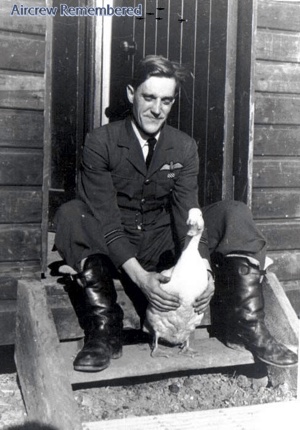  | DFC | RAF CAN | RAF | 37664 | PLT | RAF 41Sqn 249Sqn 272Sqn ------------------------ RAF | X Spitfire Hurricane Beaufighter ------------------- X | 27 Jan 36 - Joined the RAF 11 Oct 36 - 15 May 40 - 1940 - CO until posted on 08 Dec 41 - Jan 42 - ----------------------------------------------------------------- Postwar RAF - Retired in 1959 - | Battle of Britain. Wounded on 1940-09-15 at 15:30hrs. He was shot down in his Hurricane I (V6625) over Shell Haven, Essex by a Bf 109.Retired Feb 1959 as Wing Commander 2010 Born Kamloops, British Columbia, Canada, 7 June 1916 “Butch” Barton joined the Royal Air Force at age 19, travelling to England to take a short service commission. He started his career before the war on biplane fighters with 41 Squadron. With the outbreak of the war, Barton joined 249 Squadron flying Hurricanes at RAF Boscombe Down. He became a flight commander with 249 during the Battle of Britain, once bailing from his Hurricane after it was hit from return fire from a Dornier Do 17 bomber. By the end of the Battle of Britain, he was awarded a DFC for his “outstanding leadership”. With 249 Squadron, he also took part on the air war over Malta, adding to the total of his victories. Under Barton’s leadership, 249 Squadron became one of the most respected and lethal units on Malta and in the RAF. By war’s end he was a Wing Commander with 14 victories to his credit. The Battle of Britain London Monument web page says this about Barton: “During his career he had always tried to maintain the highest standards of chivalry, once severely reprimanding an inexperienced colleague who had finished off a damaged German aircraft, killing the pilot as he was attempting to crash-land over England... “Butch” Barton died on 2nd September 2010. His ashes were scattered on his favourite lake in British Columbia on the morning of 15th September, Battle of Britain Day.” | Allied Losses Database Battle of Britain Database |
|
| 25 | Bee | C.R. | F/Sgt | MIA | R | 98141 | AG | 7Sqn 15Sqn Last Op - 15Sqn | Stirling BF335 Stirling Stirling | 24 Aug 42 - X - 19 Sep 42 - 19 Sep 42 - MIA - See J.E. Land - | beex | ||||
| 26 | Bourne | Alan | F/Sgt | Injured | R | 256048 | AG | 433Sqn (RCAF) | Halifax MZ828 | 5 Aug 1944 - Flak - Crashed attempting to land | (Information courtesy Francois Dutil) | Archive Report Yorkshire Aircraft Co Accident Report |
|||
| 27 | Brigden | D.A. | F/O | KIA | J | 24901 | PLT | 442Sqn Last Op - 442Sqn | Spitfire Spitfire MK420 | X - 01 Jan 45 - Aircraft damaged over Venlo - NL 01 Jan 45 - KIA - Trying to crash land at his base | |||||
| 28 | Davies | J.C. | Sgt F/Sgt P/O | KIFA | R J | X 86585 | PLT | 51Sqn (RAF) | Halifax LW679 | 22 Mar 1944 - Crashed in bad weather trying to land | (Information courtesy Francois Dutil) | Yorkshire Aircraft Co Veterans Affairs Canada |
|||
| 29 | Dixon | Walter Alexander | Flight Sergeant |  | Killed 1943-04-09 Age 24 | R/109932 | Pilot | 195 (RAF)Sqn | Typhoon Ib DN424 | Born on the 14th January 1919 in Toronto. Educated at Detroit Business University. Worked as a clerk for Backstry Standard Ltd. in Windsor, Ontario. Enlisted on the 04th August 1941. St Initial Training School for three months . With No. 17 Elementary Flying Training School. Awarded his Pilot's wings at No. 8 Service Flying Training School, Moncton, on the 19th June 1942. Embarked for England in October 1942 and arrived on the 04th November 1942. Trained with 55 Operational Training Unit graduating on the 24th November 1942. Joined 195 squadron on the 28th December 1942. Fractured his ankle on the 11th January 1943 and was on sick leave for some three months. Son of Thomas Russell Dixon (died 1965, age 72) and Ellen Jane Dixon (née McKay - died 1975, age 80), of Markdale, Ontario, Canada. Epitaph: 'He Sleeps So Far From Canada, His Native Land'. | Commemorated Formby (St. Peter) Churchyard, Sec. F. Grave 88. United Kingdom. | ||||
| 30 | Dufresne | Lorne E | F/O | Injured | J | 24065 | WAG | 433Sqn (RCAF) | Halifax MZ828 | 5 Aug 1944 - Flak - Crashed attempting to land | (Information courtesy Francois Dutil) | Archive Report Yorkshire Aircraft Co Accident Report |
|||
| 31 | Duguid | James Scott | Sergeant | 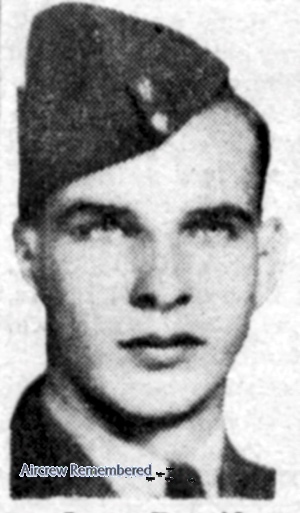 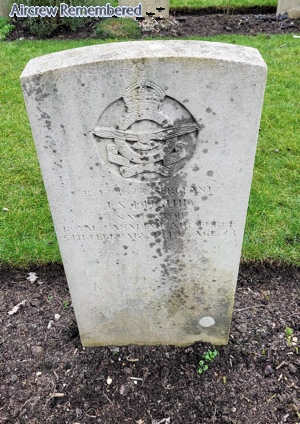 | Killed 1944-02-05 Age 23 | R/170623 | Navigator | 26OTU RAF Wing | Wellington JA455 | Took off from RAF Wing for a training flight. Lost power while preparing to land and crashed into a wood at Fox Covert, about midway between Wing and Stewkley, Buckinghamshire. Returning from a cross-country training exercise when they crashed on Stewkley Road adjoining the airfield. One of the crew, not Canadian, was also killed. | Commemorated Oxford (Botley) Cemetery, Plot I/2. Grave 158. United Kingdom. Son Of James And Agnes Duguid, Of Toronto, Ontario, Canada. | Aircrew Deaths Database More details are here: Allied Losses & Incidents JA455 |
|||
| 32 | Allan | William Cosmo | P/O F/O F/L | 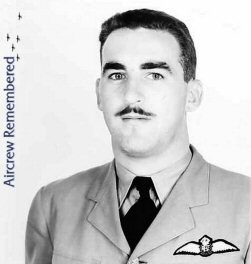 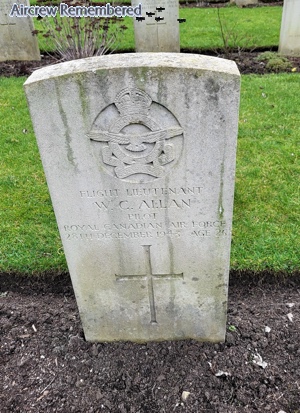 | KIFA Age 25 | J | 6935 | PLT | RCAF 1ITS (RCAF) 6EFTS (RCAF) 4SFTS (RCAF) CFS (RCAF) 5SFTS (RCAF) 3PRC (RCAF) 20(P)AFU (RAF) 1515BATF (RAF) 23OTU (RAF) PFF NTU (RAF) 405Sqn (RCAF) 405Sqn (RCAF) Last Op | X X Moth Crane Finch & Anson Anson X Oxford Oxford Wellington Lancaster Lancaster Lancaster JB477 | 7 Dec 1940 - Enlisted in the RCAF - Toronto, Ontario 18 March 1941 - Toronto, Ontario 20 Apr 1941 - Prince Albert, Saskatchewan 9 June 1941 - Saskatoon, Saskatchewan 31 Aug 1941 - Flying Instructor Course - Trenton, Ontario 2 Dec 1941 - Flying Instructor - Brantford, Ontario 5 May 1943 - Bournemouth, UK 9 June 1943 - RAF Kidlington, Oxfordshire 13 July 1943 - RAF Swanton Morley, Norfolk 31 Aug 1943 - RAF Pershore, Worcestershire 30 Oct 1943 - RAF Warboys, Huntingdonshire 5 Nov 1943 - RAF Gransden Lodge, Cambridgeshire 16 Dec 1943 - Crashed while attempting to land in heavy fog | Died in the crash of Avro Lancaster JB477. The aircraft took off 16:36 On 16 Dec 1943 from Gransden Lodge. Crashed 0050 17 Dec 1943 near Graveley Lodge.- Severely injured in the 17 December crash, died 12 days later in hospital as a result of the injuries he sustained. - Commemorated Oxford (Botley) Cemetery, Plot I/2. Grave 129. United Kingdom. - Son of Mathias Dey and Margaret Helen (Nee Cummings) Allan, of Toronto, Ontario. (Information courtesy Francois Dutil) | Veterans Affairs Canada Losses and Incidents Database Accident report |
||
| 33 | Friesen | John | Leading Aircraftman | Killed 1945-08-07 Age 23 | R/254399 | Commemorated Schoenfeld Cemetery, On private land. Canada. Son Of Jacob And Mary Friesen, Of Wymark. | Aircrew Deaths Database | ||||||||
| 34 | Hall | William Churchill | Pilot Officer | | Killed 1944-03-31 Age | J/89730 | 427Sqn | Halifax LV898 | 01 Feb 44 - | Commemorated Rheinberg War Cemetery, 14. E. 1. Germany. Halifax LV898, piloted by Squadron Leader J. M. Bissett, DFM was detailed to attack Nuremberg, as part of the main force of 795 aircraft, and was shot down by an enemy night-fighter and crashed at Herhahn, 4km north west of Schleiden, on 30-31 March 1944. All the crew were killed. The raid on Nuremberg on the night of 30-31 March 1944 was the blackest night for Bomber Command in the whole of the War, with some 96 aircraft lost. 'The Bomber Command War Diaries' by Martin Middlebrook gives the following account: ‘This would normally have been the moon and stand down period for the main bomber force but a raid on the distant target of Nuremberg (8 hours round trip) was planned on the basis of a forecast predicting protective high cloud on the outward route. 795 aircraft were despatched. The German Controller ignored all diversions and assembled his fighters at 2 radio beacons which happened to be astride the route to Nuremberg. The first night fighters appeared just before the bombers reached the Belgian border and a fierce battle in the moonlight lasted for the next hour. 82 bombers were lost on the outward route. The action was much reduced on the return flight, when most of the night fighters had had to land but 96 bombers were lost in total, the largest Bomber Command loss of the war. The main raid over Nuremberg was a failure, the city was covered in thick cloud and a fierce cross wind which developed on the final target approach made the Pathfinder aircraft move too far to the East, little damage was caused. Subsequent research showed that 120 aircraft had bombed Schweinfurt, 50 miles to the North West of Nuremberg and that there had been a 10 mile ‘creep back’ in the main bombing.’ Three Halifax’s from 427 Squadron were lost in the raid with only two crew members surviving. 'The Nuremberg Raid' by Martin Middlebrook gives additional information onLV898: ‘At least nine flight commanders went missing, all killed. 427Sqn lost both A and B flight commanders- Squadron Leader’s Bissett, DFM, and Laird, DFC both Manitobans. Bissett’s crew had already caused anxiety on the squadron when starting their second tour by their apparent unconcern at the importance of keeping on course and his loss was not unexpected. In fact, Bissett’s Halifax had crashed almost exactly on track south of Aachen.’ | Aircrew Deaths Database Allied Losses Database Halifax LV898 |
||||
| 35 | Harrison | James Robert | F/O | KIA | J | 21448 | PLT | 433Sqn (RCAF) | Halifax MZ828 | 5 Aug 1944 - Flak - Crashed attempting to land | (Information courtesy Francois Dutil) | Veterans Affairs Canada Archive Report Yorkshire Aircraft Co Accident Report |
|||
| 36 | Houle | Albert Ulric 'Bert' | AC2 LAC P/O F/O F/L S/L -------- W/C G/C | 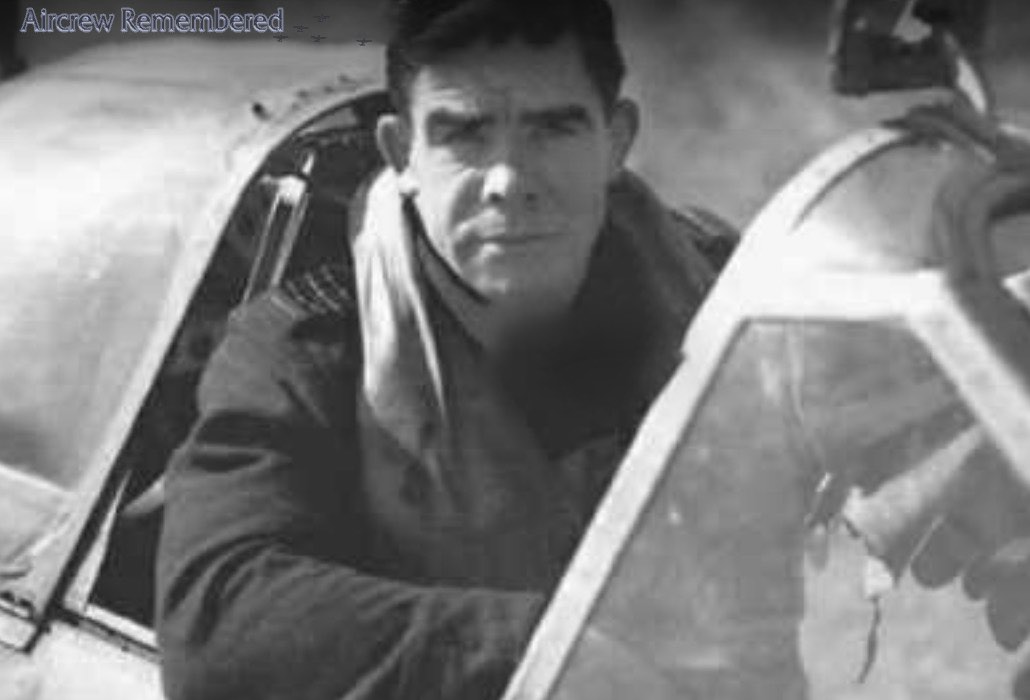 | DFC & Bar | R J ------ RCAF | X 4887 ------- X | PLT | RCAF 2ITS (RCAF) 15EFTS (RCAF) 32SFTS (RCAF) 213Sqn 145Sqn 417 Sqd 145Sqn 417Sqn RCAF Photos RCAF Photos --------------------------- RCAF Post War RCAF Last Op | N/A N/A X X Hurricane BP341 Spitfire Spitfire JF469 Spitfire Spitfire X X -------------------- Various X X | 15 Sep 40 - Joined the RCAF - 11 Dec 40 - Graduated - Regina - SK 28 Jan 41 - Graduated - Regina - SK 10 Apr 41 - Graduated - RCAF Moose Jaw - SK 01 Dec 42 - X - 11 Jun 42 - 08 Oct 43 - 08 Nov 43 - 13 Nov 43 - 13 Nov 43 - 14 Feb 44 - CO PL 10248 (standing on the wing of a Spitfire). RE 20422 (seated in a Spitfire) & PL 28695 (waist up) - ------------------------------------------------------------------------ Remained in Post War RCAF - Need More Details - 1965 - Retired from the RCAF - 01 Jun 08 - deceased - | Bert's final active sortie in WWII was on February 14, 1944 over the
Anzio beachhead. He was hit in the back of the neck by shrapnel,
but still managed to return to base and land his plane. 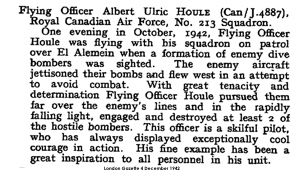 | |||
| 37 | Kinder | James Frederick | F/O | Injured | J | 20875 | NAV | 433Sqn (RCAF) | Halifax MZ828 | 5 Aug 1944 - Flak - Crashed attempting to land | (Information courtesy Francois Dutil) | Archive Report Yorkshire Aircraft Co Accident Report |
|||
| 38 | Land | E.F. | F/O | J | 26457 | PLT | RCAF | X | 18 Oct 44 - | ||||||
| 39 | Land | E.J. | P/O | J | 51991 | 2WS (RCAF) 9B&GS (RCAF) | X X | X - RCAF Calgary - AB X - RCAF Mont Joli - QC | |||||||
| 40 | Land | J.E. | Sgt | R | 7Sqn | Stirling BF335 | 24 Aug 42 - | ||||||||
| 41 | Land | R.J. | F/L | KIA | J | 11579 | PLT | 401Sqn (RCAF) | Spitfire IX MH761 | 14 Jan 1945 - Shot down by FW-190 of JG1 flown by Uffz. G. Sill. Crashed in Noord-Berghuizen NL | Info courtesy Francois Dutil |
Results 1 to 41 of 41.


