
- Home
- Maps▾
- FAQ▾
- About/Donate▾
- News▾
- Obits
- Contact/Help▾
- PersonalHistories▾
- Cross Reference Research Lists ▶
- Recent Archive Reports
- Profiles in Courage
- 1914 -1918 WW1 Material
- Royal Air Force + RAFVR ▶
- WAAF/WRAF
- Australia
- Belgium
- Canada
- Site honouring Czechoslovak RAF
- Holland: LOST Rob Philips Memorial Archive
- New Zealand
- Norway, Denmark, Sweden, Finland
- Poland
- South Africa
- Archiwum Mielnika: Polish Air Force Archive
- USAAF & USAF
- USA WASP Flygirls
- USA - Co de Swart Gallery: Baker Crew 95th BG
- USA - Co de Swart Gallery: Geyer Crew 98th BG
- Axis Powers
- Russia/Soviet Union
- RCAF 409 The Nighthawks
- Hore-Kennard RCAF
- Zenon Bartkowiak PAF
- Charles Dills USAAC
- Gerald Schwartz USAAC
- Ralph Malan Memoirs
- Soviet Women 'Night Witches'
- Full Story of Lancaster Z-Zebra
- First Air Raid Victim
- 1914 -1918 WW1 Material
- Databases▾
- Databases Master List
- Consolidated Names: includes 500K+ names from all our databases
- Cross Reference Research Lists
- Research Sources
- MULTI-NATIONAL DATABASES
- Aces and Aviators International WW1 - 3000+
- Vitz Archive: War Crimes Victims of Axis
- NEW! USAAF & Allies Non Combat Incidents and Losses
- ALLIED DATABASES
- Allied Losses and Incidents: all Commands
- Aircrew Deaths & Resting Places Worldwide 1939 - 47 120,000+
- Alamein Allied Air Forces Memorial 3000+
- Allied Non-British Graves in Europe managed by CWGC
- Battle of Britain: Enhanced and Extended
- Glider Pilot Regiment Casualties
- Korean War UN Forces Database
- LOST Rob Philips Memorial Archive Dutch/2TAF Losses
- Malta Memorial Database
- Nordic Allied Database
- Ottawa Allied Air Forces Memorial Database
- Paradie RCAF Archive
- Archiwum: Polish Air Force Archive
- Polish Honour Roll
- RAAF Honour Roll
- RCAF Notes - 9000+
- Royal Navy Fleet Air Arm
- Runnymede Memorial Database
- Soviet Aces Database 1941 - 1945
- US Aces and Aviators WW2
- US Air Service Victories WW1
- USAAF Allies NonCombat Losses
- USAAF Operations WWll
- US Marine Corps Squadrons WWll
- Vitz Memorial Archive: War Crimes Victims of Axis
- AXIS DATABASES
- Kracker Luftwaffe Archive
- Deutsches Kreuz in Gold
- German Graves in UK
- German WW2 Aces
- Luftwaffe Graves Managed by CWGC
- Luftwaffe Victories by Name/Date
- Archives ▾
- Archiwum: Polish Air Force Archive: Data on 17,000
- Kracker Luftwaffe Archive
- LOST Rob Philips Memorial Archive: Holland
- Paradie Canadian Archive
- Paul McGuiness RAAF Archive WW1 & WW2
- Profiles in Courage
- Vitz Memorial Archive: War Crimes Victims of Axis
- USAAF Combat Operations 1941-45 Worldwide
- 409 RCAF: The Nighthawks
- Detailed Personal Archive RCAF Officer
- Charles Dills Archive
- Gerald Schwartz Archive
- Ralph Malan Memoirs
- RAF Coastal Command Patrol Areas
- US Intelligence Analysis German Anti Aircraft
- Allied Mine Laying Map (Gardening)
- Airborne Forces - a short history
- More ▾
- de Swart Gallery: Baker Crew, Geyer Crew
- Guide to Complete Site
- Helpdesk
- Donate
- Lay a Wreath
- Your relative's CWGC grave explained
- CWGC War Graves in USA
- Doing Your Own Research
- Research Sources
- US Assistance to Warsaw Uprising
- Our support for charities
- Axis Awards Descriptions
- Stolperstein: Permanent Remembrance
- Who fought for Britain 1939 - 1945
- Aerotoxic Syndrome
- Bermuda Triangle Mystery
- Cross Reference Research Lists
- Not Many People Know That
- Image Acknowledgements
- Abbreviations Used by Forces
- Poetry of Direct Personal Experience
- Staggering Cost in Lives of WWll
- Animated Map All Allied Bombing WW2
- USAAF Combat Operations 1941-45 Worldwide
- Polish Airmen Fighting (Video)
- Important Links
- Canada Memorial Project
- Remembering Banica
- Book Reviews
- 1 BFTS Texas
- Veterans Appeals
- Korean Conflict
- Vietnam Conflict
- Other Conflicts
- Commercial Aviation
- Bush Flying
- Nose Art
- Military Humour
- Airborne Forces - a short history
-

RAF Battle of Britain Consolidated Database
3094+ Entries in Database
Check the Databases Menu for the extensive list of our databases which represent decades of original research by our Editors
Read Search Tips. Corrections and Additions via Helpdesk please
NOTE: KIA = Killed In Action. WIA = Wounded In Action. KIFA = Killed in Flying Accident.
 = Jewish as per jewishvirtuallibrary.orgFate In Battle is date of incident between July 10 1940 and October 31 1940. Fate After Battle is date of death after the Battle
of RAF Fighter Command, Coastal Command or the Fleet Air Arm, who flew at least one operational sortie between 00:01 July 10 1940 and 23:59 October 31 1940.
To see a larger database covering the entirety of WWll, refer to our Allied Losses and Incidents database. This database is the result of research into all known sources of information on the crews which fought the Battle of Britain on the Allied side. It is surprising that for the most significant air battle of WW2, and even after 80+ years, there remains any uncertainty at all about who took part and in some cases, what they did. We have made it our objective to develop this database into a most comprehensive and accurate record which brings to life those heroic deeds. You can help: send corrections and additional information via our Helpdesk.
We believe this database to be among the most useful records extant in terms of its searchability: for example, it is easy to determine all Blenheim crews, or losses on a specific date or the members of a particular squadron.
Readers are referred to the following sites which we have used to cross-check information and we acknowledge and thank them as respected sources for some of the material in this database:
VintageWings.ca: comprehensive listing of artworks
bbm.org: Comprehensive listing of RAF personnel and service records
Wikipedia: Life stories of leading pilots and crew
AircrewRemembered Paradie Canadian Archive Database: 45,000 Service Records of RCAF personnel
AircrewRemembered Allied Losses and Incidents Database: Covering 120,000+ Allied aircrew 1939 - 1945
AircrewRemembered Archiwum: specialist database with details of Polish personnel (in Polish)
AircrewRemembered Kracker Luftwaffe Archive: 31,000 Luftwaffe pilot and crew details
AircrewRemembered LOST: Rob Philips Memorial Archive: Dutch losses in Europe
bel-memorial.org: Comprehensive site on Belgian aircrew
3-character searches are now supported.
If you need help, EMAIL us with name and database to search and we will perform the search manually for you.
To search on squadron, append 'Sqn'. Examples: '72Sqn' or '416Sqn'
These are the results of your search:
You searched for: “74 sqd”
| # | Name SORT (↓) | First Names | Rank | Service No. | Photo | Air Force | Country of Origin* | Squadrons | Awards | Aircraft | Victories | Fate in Battle | Fate After Battle | DateOfDeath | **************Notes************** |
|---|---|---|---|---|---|---|---|---|---|---|---|---|---|---|---|
| 1 | Allen | John Lawrence | Fg Off | 70008 |  | RAF | British | 54Sqn | DFC | Spitfire | KIA | 1940-07-24 | 1940-05-23 took part in a daring rescue operation. He and Al Deere escorted their Flight Commander James Leathart to France where he was to land a Miles Master trainer and pick up the C/O of 74 Sqd who had made a forced landing on the airfield at Calais-Marck. The pick-up was made, with Allen watching from 8,000 feet and Deere circling at low level. An approaching formation of Bf 109s was spotted by Allen as the Master taxied out for take-off. As a strafing Bf 109 pulled out of its dive, presenting a perfect target, Deere fired a short burst and the aircraft stalled and then crashed into the sea. Deere, climbing to help Allen, crossed the path of two Bf 109s, one of which turned towards him. Deere also turned, firing at the second one, which rolled over and dived away. Pursuing the first one, he caught up at treetop height and pursued him, firing off his remaining ammunition before the German headed for home. Diving towards the coast Deere called up Allen and was relieved to hear him answer. In the meantime the Master had taken off and headed for Hornchurch. In the action three Bf 109s had been shot down and three others severely damaged with no losses. Allen was killed 1940-07-24 near Margate. His Spitfire (P9549) or (R6812) was shot down on convoy patrol by Bf 109s of III Gruppe of JG 26. He stalled and crashed at Cliftonville at 12:30hrs. Spitfire R6812 crashed and burned at Cliftonville following damage to the engine in combat with BF 109s Margate Cemetery | ||
| 2 | Appleford | Alexander Nelson Robin Langley | Plt Off | 32736 |  | RAF | British | 66Sqn | Spitfire | Survived war | 17th April 2012. | Born September 1921 in India. One of the youngest fighter pilots who flew with the Royal Air Force during the Battle of Britain. Educated at King's College, Taunton. Training at 12 E&RFTS Prestwick on 8th August 1939. To 11 FTS Shawbury on 26 September 1939 Joining on 13 May 1940 66 Sqd at Duxford on Spitfires. On 4 September 1940 at 09:50hrs. Spitfire I (N9316) had been attacked by Bf 109s over the Thames Estuary. Spitfire, P9316, crashed near Howe Green Farm, Purleigh, Essex. Seven days sick leave. Sometimes attached to 421 Flight. On 17 October 1940 he carried out a W/T test and on 9th November he flew a patrol with 421. Following the Battle of Britain, Appleford was a flying instructor. Posted from 66 Squadron on 13th December 1940, Appleford went to 8 FTS Montrose for an instructors course, after which he was posted to Southern Rhodesia, to instruct at 22 SFTS Gwelo. In 1943 he returned to combat duties with 274 Sqd flying Hurricanes on coastal defence in North Africa. After a spell with the Aircraft Delivery Unit, he went to South Africa as a flying instructor. From early February 1944 until May 1945 Appleford instructed at various Air Schools in South Africa. Returned to Britain on 1st July 1945 and joined 587 Sqd at Weston Zoyland on 24th August. Released from the RAF in August 1946 as a Flight Lieutenant.  Signed envelope |
|||
| 3 | Ayers | David Hart | Sgt | 740696 |  | RAFVR | British | 74Sqn Spitfire | KIA | 1940-09-23 | Abandoned Spitfire P7362 during a routine patrol near Southwold for a cause unknown. His body later recovered from sea. Left 600 Sqd in August 1940 to No 74 Sqd. Baled out of Spitfire II (P7362) into the sea on 1940-09-23 while on a routine patrol and was killed. His body was washed up ashore 1940-10-04. Ipswich New Cemetery Age 26 |
| |||
| 4 | Bartley | Anthony Charles | Plt Off | 41816 | 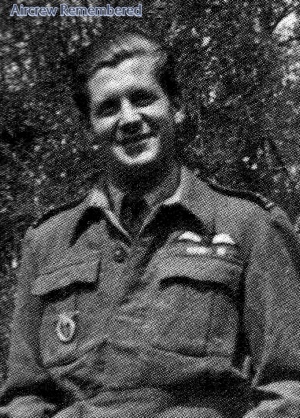 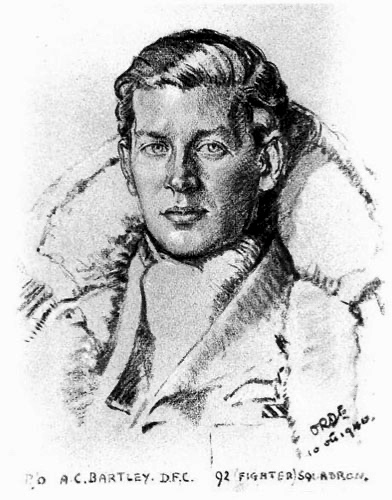 | RAF | British | 92Sqn 74Sqn 65Sqn  111Sqn (CO)  | Spitfire | 12 | Survived war | April 2001 | Born on 28 March 1919 at Dacca in India. His father, Sir Charles Bartley, was an Irish barrister who served as a judge in the Calcutta High Court. He grew up in Swanbourne, living with his parents at The Cottage, opposite the Old House. He was educated at Stowe School (Buckingham) and in 1938 learned to fly at the West Malling Flying Club in 1938. He joined the RAF on a short service commission and did his elementary flying at 6 E&RFTS Sywell from 23rd January 1939. To No. 1 RAF Depot Uxbridge on 1st April 1939 and was posted to 13 FTS Drem on the 15th. Posted to 92 Sqd (East India) in November 1939 based in Sussex with the fighter version of the twin engine Bristol Blenheim. The squadron began to convert to Spitfires in March 1940. 23rd May shot down a Me109 and a Me110 shot down over Dunkirk, on the 24th two Me110's damaged and on 2nd June four He111's damaged. On 10th July, when 92 was at Pembrey, Bartley may have shared in the destruction of a Ju88. On 8th September the squadron moved to Biggin Hill. On the 14th Bartley damaged a Do17 and a Me109, on the 15th he shot down a Do17 and probably a second, on the 18th another Do17 and on the 27th he claimed a Ju88. DFC 25th October 1940, the citation crediting him with at least eight enemy aircraft destroyed. On 1st November 1940 Bartley shared a Me109, claimed two more on the 5th and 15th and shot down a He111 on 3rd February 1941. Posted to 74 Sqd in March 1941, as a Flight Commander. May 1941 to 56 OTU Sutton Bridge, moving soon afterwards to 53 OTU Heston. In June he served briefly at 61 OTU as an instructor. In July he was posted to Vickers-Supermarine as a production test pilot. During this time he performed the acrobatics for the film 'The First of The Few' (1942) which chronicled the life of the Spitfire's designer, RJ Mitchell, played by Leslie Howard. At Vicker-Supermarine, Bartley forged a fruitful relationship with Jeffrey Quill, who had been the second pilot to fly Mitchell's prototype and was now senior test pilot. Quill particularly welcomed Bartley's combat experience of the Spitfire's early 20mm cannon installations, which had proved problematic. On one occasion Quill refused to provide Bartley with a Spitfire to return to Worthy Down from a party at Heston airfield in London. Quill was horrified to discover that Bartley, large though he was, had instead crammed into the confined cockpit of a Spitfire with another bulky officer, putting both their lives and the aircraft at risk. Bartley returned to operations in February 1942, as a Flight Commander with 65 Squadron at Debden. On 27th April he damaged a Fw190 on a sweep over France. In early May he took command of the squadron after the CO was killed. In July 1942 he went to CGS Sutton Bridge for a course and in August he was given command of 111 Squadron at Kenley. The squadron was destined for overseas service and on 20th October sailed for Gibraltar. Bartley led the squadron off on 11th November and flew to Algiers, moving to Bone three days later. On the 16th he claimed a Mc202, on the 25th two Ju87's probably destroyed, on the 29th and 4th December two Me109's and on the 28th one Me109 shot down and another damaged. In mid-January 1943 Bartley was posted from the squadron and on the 29th he left Gibraltar, in a Liberator, for the UK. Following the loss of two engines, the aircraft made a crash-landing on a Welsh airfield. Bartley was awarded a Bar to the DFC (gazetted 16th February 1943) and was posted in May to HQ 83 Group Redhill, to help train squadrons in ground attack and army support. In early October he sailed for America, for a course at the Command and General Staff School at Fort Leavenworth, Kansas, moving in February 1944 to the School of Air Tactics at Orlando, Texas. After returning to Britain in the Queen Elizabeth in April, he was posted, as Liaison Officer, to the 70th Fighter Wing of the US Ninth Air Force. On 24th October 1944 he went to RAF Transport Command, to set up staging posts in Europe. Bartley volunteered for service in the Far East and sailed from Liverpool on the Mauretania on 3rd July 1945. He reached Sydney on 8th August and was posted a week later to the Palau Islands, to set up a Transport Command staging post. He requested repatriation, was granted leave, and returned home in a DC-4, which was returning to England for a major overhaul. On 28th November 1945 Bartley married film actress Deborah Kerr. After release from the RAF in 1946 he joined Vickers Armstrong as a test pilot and sales executive.
Stories are recorded (Reading 1994) of Anthony sometimes passing low or performing victory rolls over the village school (if he was flying over North Bucks) to the great delight and cheers of the schoolchildren of Swanbourne. When based at Biggin Hill, Squadron 92 gained something of a reputation for hard partying when on leave in London, a distance quite close to base, sometimes with fast cars fuelled up on high octane aviation fuel! Smoke Trails In The Sky Autobiography swanbournehistory.co.uk Bio 92 Sqd Bio |
||
| 5 | Beytagh | Michael Leo ffrench | Sqd Ldr | 39057 | 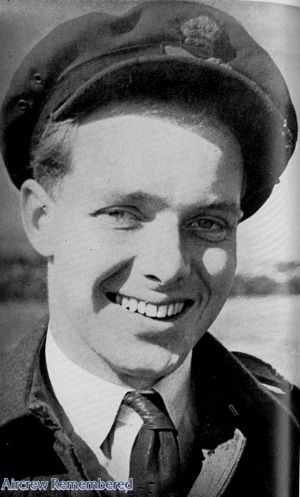 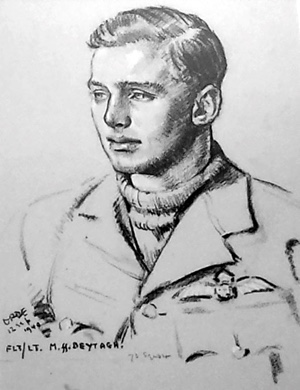 | British | 23Sqn 73Sqn (CO)  602Sqn (CO)  | DFC | Hurricane | 5 | Survived war | 2th August 1952 Age 36 in Pemba, Zanzibar. | Biography: Shoulder The Sky by Gil Thomas (Arthur Barker Ltd 1959) Born Shanghai in 1916. Adopted at 13 by Mr Morton, a wealthy American and taken to the US. After a few years he returned to England. Joined RAF June 1936. Trained at 8 FTS Montrose. Joined 23 Sqd at Wittering on 24 April 1937. To 73 Squadron at Church Fenton on 24 July 1940. Me109 probably destroyed on 6th September, a Me110 destroyed the next day and another damaged on 11th September. November 1940 sailed for the Middle East in HMS 'Furious'. Flew off to Takoradi and then in stages flew overland to Heliopolis. In December the pilots of 73 were attached to 274 Sqd in the Western Desert. 5 January destroyed a CR42 near Tobruk. 5 April destroyed a Ju87. Ona ferry flight, after forced-landing in the jungle and walking 72 miles in two days and three nights, eventually got at the Firestone Rubber Plantation, 35 miles from Monrovia, Liberia. To UK in November 1941 and 55 OTU Annan, as CFI. On 2nd October 1942 to 602 Sqd at Skeabrae as CO, defending Scapa Flow. In January 1943 602 flew south to Perranporth. On 19 August damaged a Fw190 over Amiens/Glissy airfield. DFC 1st October 1943. Various staff jobs. In March 1949 he was posted to Pemba, an island off the East African coast, north of Zanzibar as District Commissioner. Died Pemba cerebral thrombosis. Buried at sea off Pemba. |
||
| 6 | Brzezina | Stanisław 'Breezy' | Flt Lt | P-76782 |   | PAF | Polish | 74Sqn| Virtuti Militari |  Krzyz Walecznych  Medal Lotniczy (x4)  Spitfire | 2 | Died | 1946-02-13 | Joined 74 Sqd in August 1940. Baled out of Spitfire I (N3091) over the Thames Estuary 1940-08-13, at 07:05, landed safely. Aircraft had been hit by return fire from a Do 17. Crashed in a Douglas DC-3 Dakota in Orpington near London, holding rank of Colonel. Orpington (St Mary Cray) Cemetery England Age 41 |
See Allied Losses Database Archiwum Polish Database | |
| 7 | Buckland | Frank William | PO | 84959 |  | RAF | British | 74Sqn| Spitfire | 1940-10-08 | Joined 74 Sqd in during September 1940. Killed in a collision with P/O D. Hastings. Brighton Woodvale Crematorium England Age 20 |
| ||||
| 8 | Burnard | Fred Percy | Flt Sgt | 45461 | 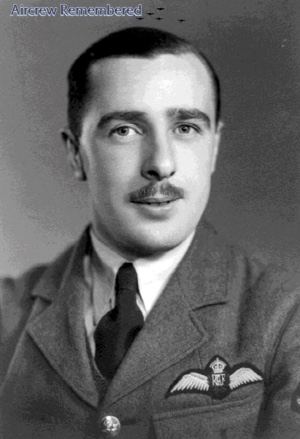 | RAF | British | 74Sqn 616Sqn  | Spitfire | 0.5 | 27 April | Born on 9 March 1915 in Scarborough. Joined the RAF in January 1930 as an Aircraft Apprentice and passed out, in December 1932, as a Metal Rigger. He served in Iraq and Egypt. Applied for pilot training and became a Sergeant-Pilot. On 3 July 1940, flying a Spitfire of 616 Sqd shared in a Do 17. On 1 September probably destroyed a Bf 109 and damaged another. Joined 74 Sqd on 27 October 1940. Surprised by Bf 109s over Dover on 1 November, his aircraft was damaged, but he got back safely. Moved to 85 Sqd. Commissioned in March 1941, became an instructor. Served in India. Released from the RAF in 1947 as a Squadron Leader. Trained as a teacher and worked in the East Riding of Yorkshire, becoming deputy head teacher at Hilderthorpe Junior School. He died on 27 April in Newtonmore in the Scottish Highlands. He was buried in Laggan churchyard. | |||
| 9 | Carlson | D | Sqd Ldr | RAF | New Zealander | 74Sqn| Spitfire | 2 | Born in Owhango, New Zealand on 1912-10-04. Joined RAF in August 1937. By the outbreak of war he was an experienced pilot and by 1941 was a flight commander with 74 Sqd. On sorties in June and July 1941 he shot down two Bf 109's with two listed as probables and one damaged. |
| ||||||
| 10 | Deere | Alan Christopher | Flt Lt (later Air Commodore) | NZ/40370 | 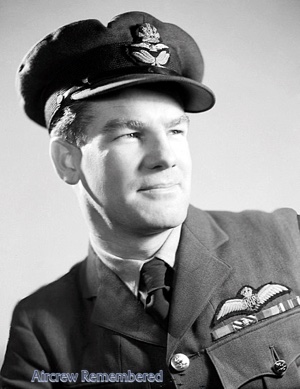  | RNZAF | New Zealander | 54Sqn | DSO OBE  DFC & Bar Croix de Guerre (France)  DFC (USA  ) | Spitfire | 22 | Died 21 September 1995 | Born in Auckland 1917-12-12. Joined RAF October 1937. 54 Sqd in September 1938. 1940-05-23 A.C took part in a daring rescue operation. He and Pilot Officer Allen escorted their flight commander, James Leathart, to France to pick up the CO of 74 Sqd who had made a forced landing on the airfield at Calais-Marck. The pick-up was made, with Allen watching from 8000 feet and Deere circling at low level. An approaching formation of Bf 109s was spotted by Allen as the Master taxied out for take-off. A strafing Bf 109 pulled out of its dive, Deere fired a short burst and the aircraft stalled and crashed into the sea. Deere, climbing to help Allen, crossed the path of two Bf 109s, one of which turned towards him. Deere also turned, firing at the second one, which rolled over and dived away. Pursuing the first one, he caught up at treetop height and pursued him, firing off his remaining ammunition before the German headed for home. Diving towards the coast Deere called up Allen and was relieved to hear him answer. In the meantime the Master had taken off and headed for Hornchurch. In the action three Bf 109s had been shot down and three others severely damaged. During four days - 23 to 29 May - Deere shot down three Bf 109s and three Bf 110s and in June was decorated with the DFC by the King at a special ceremony at Hornchurch. J.A.Leathart and Allen were decorated at the same time. During the Battle of Britain Deere destroyed seven more enemy fighters and one bomber and was awarded a Bar to the DFC. on the Ist of December 1940 he was sent for a rest, and in January 1941 became an Operations Room Controller. He returned to operations on 7 May 1941, joining 602 Sqd in Scotland as a Flight Commander. On the 10th he was scrambled to investigate a Bf 110 flying westwards. He did not sight the enemy aircraft but after landing was told it had crashed near Glasgow. The pilot was later revealed to be Rudolf Hess. Deere took command of 602 Sqd on August the 1st 1941 and on that day destroyed a Bf 109, his first victory for eleven months. When his second operational tour ended in January 1942 Deere went to the USA to lecture on fighter tactics but was restless for a return to operations. He achieved this in May 1942, when he took command of No 403 Squadron, leading it until August before being posted to staff duties. During a temporary attachment to No 611 Squadron in February 1943 Deere destroyed an FW 190. Some days later he was appointed Wing Leader at Biggin Hill. He flew 121 sorties during his six months' leadership and increased his personal score to twenty-two confirmed victories, ten probables and eighteen damaged.
Deere wrote of his experiences and his many escapes from death in his classic book, 'Nine Lives', published in 1959. Wikipedia  Signed by Al Deere, Adolf Galland, Erich Rudorffer |
||
| 11 | Fayolle | Émile Francois Marie Léonce | Plt Off (Adj) | 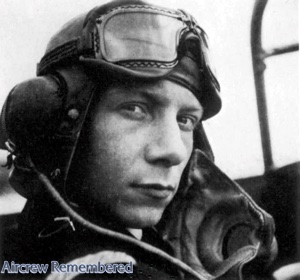  Painting by Eric Kennington | Free French | 85Sqn | DFC | Hurricane | KIA Operation Jubilee | 1942-08-19 | Fayolle was born in the middle of the First World War into a family with deep military roots. He joined the French Armée de l’Air in 1938 and was just finishing fighter school in Oran when the Germans invaded. He took an aircraft from his base and fled to Gibraltar, then took a ship to England and joined forces with the RAF. Having converted to Hurricanes, he was posted to a series of units—85, 145, 242, 611 and 340 Squadrons. In July 1942, he took command of 174 Sqd at RAF Warmwell. Shortly after taking command of 174, he was hit by anti-aircraft fire while supporting the Canadians during the Dieppe Raid (Operation JUBILEE). He is buried alongside the 907 Canadians killed that day. | ||||
| 12 | Flinders | John Layton 'Polly' | Plt Off | 81333 |  | British | 32Sqn | Hurricane | 5 | Died | 1998 | Born in Chesterfield, Derbyshire in 1917. He joined the RAF in 1936 on a four-year engagement as a direct entry pilot under training. After completing his training he served with 74 Sqd. Intended to join Imperial Airways at the end of his service, but the outbreak of war changed that plan. On 20 November 1939 part of a section which attacked and damaged a Do 17 off North Foreland. Posted to 32 Sqd at Biggin Hill in April 1940 as a Pilot Officer. Training Officer, responsible for acquainting new pilots with squadron flying and fighting procedures. He achieved success in the Battle of France, but on 23 May was shot down and reported missing, believed killed. In fact he had forced-landed in the area of Cap Gris Nez and got back to England by ship. He scored more victories during the Battle of Britain, including two Do 17s claimed shot down on 18 August. He later became an A1 instructor and was attached to the RCAF. He left the RAF, as a Squadron Leader, in 1945, served in the RAFVR, eventually emigrated to Canada. Destroyed 2 before the start of the Battle and 3 during it including a Bf 110 1940-08-18 which crashed at Harbledown near Canterbury killing both crew members. |
|||
| 13 | Franklin | Walter Derrick Kerr | Fg Off | 40217 | 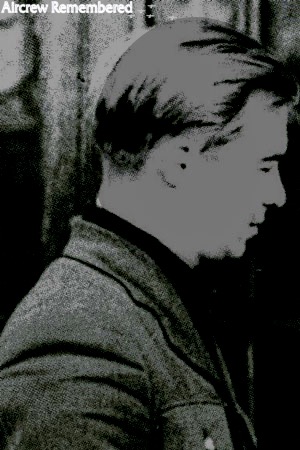 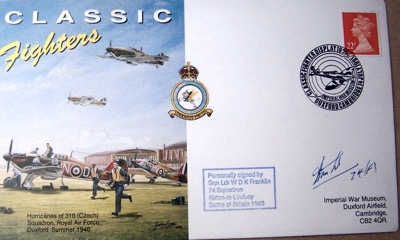 | RAF | JAM | 74Sqn| Spitfire | 1 | Died | October 2000 | Born 14 September 1916 in Jamaica. Joined RAF 23 August 1937. 12 E&RFTS Prestwick.
1 RAF Depot Uxbridge for a short induction course, then 9 FTS Hullavington. Joined 142 Sqd at Andover on 20th August 1938. On 2nd September 1939 the squadron flew its Battles out to France. It suffered heavy losses in May 1940 and was withdrawn to Waddington on 15th June. Volunteered for Fighter Command. Joined 74 Sqd 21 August at Kirton-in-Lindsey. Shared damed Do17 September. Ju87 destroyed on 14th November. On 30th December 1940 to CFS Upavon for an instructors course. He was instructing until 1945, when he went for a course at the Empire Test Pilots School at Cranfleld, after which he was posted to Farnborough. Franklin returned to Jamaica 1947 to run the family-owned hotel. Later sold it and returned to England. Died in October 2000 in Southampton. |
| ||
| 14 | Freeborn | John Connell | Fg Off | 70854 | 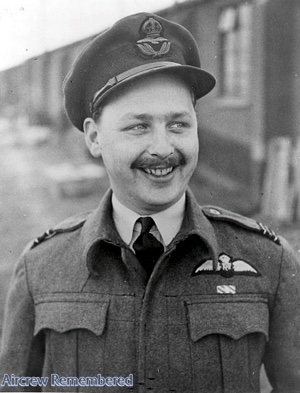 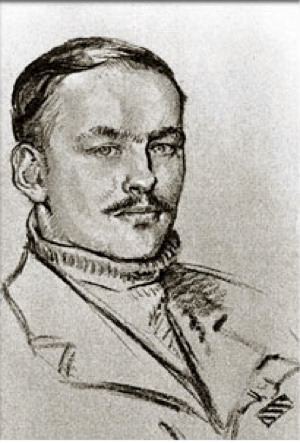 | British | 74Sqn| DFC & Bar | Spitfire | 8.5 | Died | 2010-08-28 | Official Ace. born in Middleton near the city of Leeds in December of 1919. He joined the RAF in 1938 at the age of 18. Following his training, he joined 74 Sqd (Tigers) at RAF Hornchurch in October of 1938. Within days of the declaration of war, flying Spitfires, Freeborn and other members of his squadron engaged what they thought was an enemy force. Sadly, it was a Hurricane Squadron and Freeborn and another pilot of 74 Sqd shot down the first two British airplanes of the Second World War (the so-called Battle of Barking Creek). The ensuing court martial absolved Freeborn and his mate, but caused deep wounds within the squadron when their Flight Leader, 'Sailor' Malan testified against them. Despite the outcome, Freeborn continued with 74 Sqd as did Malan, and when Malan became the squadron commander he often let Freeborn lead, such was his respect for his fighting skill. Freeborn became an ace in the Battle of Britain, and was awarded a DFC in August at the height of the Battle. Throughout the rest of 1940 and into 1941, he increased his score and led the squadron on occasion. In February of 1941, he was awarded a second DFC and then went on to an instructor’s course. This was followed by an appointment as an RAF liaison officer with the RAF’s training program in the United States—specifically in Alabama and Florida. It was here that he test flew the P-51 Mustang and P-47 Thunderbolt. In December of 1942, he returned to England to take command at RAF Harrowbeer and then Bolt Head. In February 1943, he was added to the already full strength of 602 City of Glasgow Sqd, leading the squadron escorting bombers. Later that year, he took command of 118 Sqd at RAF Coltishall and led them for six months. He returned to an Operational Training role, and then took command of 286 Wing in Italy. After the war, he remained connected to the RAF until 1954, and then went into the business world. He died in 2010. |
Joined 74 Sqd 1938-10-29 from No 8 FTS. He was an 'A' Class Reservist and the first to join the Tigers. Made a forced landing 1940-07-10 after battle damage to Spitfire (K9863) whilst attacking some 26 Dorniers escorted by fighters over a convoy near Dover. DFC 1940-07-31. He shot down Bf 110 on 11 September 1940 from II Gruppe of ZG 76 which crashed off Dungeness with its crew were picked up by the German rescue outfit, Seenotdienst. 1 December 1919 – 28 August 2010 Wikipedia Bio 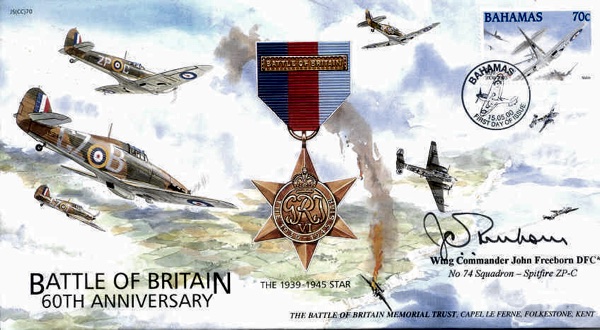 Hurricanes of No 32 Squadron and Spitfires of No 74 Squadron engaging Messerschmidt Bf 110s over the Kent coast. Freeborn's aircraft ZP-C is shown on the cover artwork. | ||
| 15 | Gould | Derrick Leslie | Fg Off | 41173 | British | 98Sqn 226Sqn  32Sqn 607Sqn  601Sqn  213Sqn  33Sqn (CO)  274Sqn (CO)  | DFC | Hurricane | 1 | Survived war | January 2002 in Torbay | Born Exmouth, Devon 28 May 1919. Educated at Bristol Grammar School. Joined the RAF on a short service commission 25th July 1938. Joined 98 Sqd from the School of Air Navigation, Manston on 14 August 1939 on Fairey Battles. To France with the squadron on 16 April 1940. Moved to 226 Sqd in France with Battles 19 May 1940. Withdrawn to Thirsk, Yorkshire on 16 June. Joined 32 Sqd at Acklington on 3rd September 1940. Moved to 607 Sqd at Tangmere 22 September and to 601 Sqd at Exeter on 5 October. With 213 Sqd at Tangmere by 6th November. Me109 destroyed on 15 November. Posted to the Middle East in 1941. Attached to 274 Sqd at Gerawala in August. Then to 33 Squadron October 1941 as a Flight Commander. Commanded squadron in December 1941 and led it until May 1942, when he went to HQ Middle East. DFC 18th September 1942. Commanded 274 Sqd from July until October 1943. Released from the RAF in 1946 as a Squadron Leader. | |||
| 16 | Hayter | James Chilton Francis 'Spud' | Fg Off | 36207 |   | RAF | New Zealander | 605Sqn 615Sqn  | DFC & Bar MiD
| Hurricane | 9 | Safe | Died on the 03rd October 2006, age 88 and cremated at Wakapuaka Cemetery, Nelson, New Zealand | Born in Timaru, New Zealand 18 October 1917. Nelson College from 1928 to 1934. Working on farms and sheep stations, flying lessons with the Marlborough Aero Club as money and time allowed. 1938 he joined RNZAF, training at Wigram. To UK in July 1938 to join 98 Sqd a light bomber unit with Fairey Battles. November 1939 posted to 103 Sqd in France, flying Battles on reconnaissance. 12 May 1940 flew one of three Battles sent to attack river bridges and roads near Sedan. After shaking off some attacking Bf 110s, the three aircraft flew along the River Meuse in line astern to attack a German pontoon bridge with their gunners firing at enemy troops along the banks. The successful bombing of the bridge held up the advance of German tanks for some hours. Shot down 16 June 1940 by a Bf 109 as he was about to land and later on the same day the unit was withdrawn to England. In early September Hayter volunteered for Fighter Command and joined 615 Sqd moving two weeks later to 605 Sqd. October 1940 damaged a Ju 88 and two Bf 109s. 26 October 1940 he was attacked at 25000 feet and Hurricane I set on fire. Slightly wounded, Hayter baled out of his Hurricane I (P2916) after combat with a Bf 109 at 15:45hrs. Landed in the grounds of a house where a cocktail party was taking place. Invited to join it and was later picked up by his fiancée, who lived not far away. DFC October 1941, Bar to the DFC in January 1945. Returning to New Zealand in September 1945 to resume farming. “Spud” Hayter was born in the port town of Timaru, South Island, New Zealand—in 1917. He took private flying lessons at Marlborough, and joined the Royal New Zealand Air Force (RNZAF) in 1938 on a short service commission. While flying as an “observer” in a Vickers Vildebeest, he crashed on two occasions, but avoided major injury. With war looming, he sailed for England in July 1939, and was posted to 98 Sqd at RAF Hucknall, flying the Fairey Battle. In November, he crashed again after some low flying, but escaped injury for the third time. He was posted to 103 Sqd in France. During the Battle of France he was shot down on 16 June, attempting to land. Shortly thereafter, the squadron and the hapless Battles were withdrawn to England. He volunteered for Fighter Command, joining 605 County of Warwick Sqd (after a brief assignment to 615 Sqd) in September. By the end of the month, he had been shot down again—this time, descending from 25,000 feet by parachute, he landed on the grounds of an estate where a cocktail party was in progress—and was invited forthwith. After 605, he was rested as a flying instructor starting 1 May 1941. However, he was on board during two separate crash landings (by the same student pilot) and he was made operational again (finding no rest in instructing!) He joined 611 Sqd, continuing to increase his score, but crash-landing his damaged Spitfire yet again (his eighth crash). He was awarded his first DFC and was given command of 247 Sqd in North Africa. Following this he instructed Turkish pilots on the Hurricane then joined 74 Sqd in Iran and Egypt, then back to France, leading the “Tigers” against the Germans until the end of 1944. When Cuthbert Orde sketched his portrait in 1941, he said this of Hayter: “... tough, steady and a damn good type. He is one of the chaps who make me grin when I meet them.” He survived the war and eight crashes and died in 2006 in the small farming town of Takaka, New Zealand near the southern shores of Golden Bay.. |
|
| 17 | Hilken | Clive Geoffrey | Sgt | 745482 | 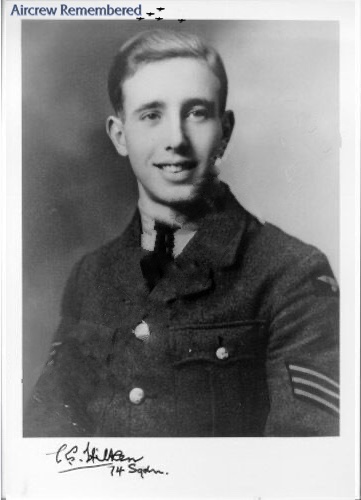 | RAFVR | British | 74Sqn| Air Efficiency Award |  Spitfire | WIA | PoW Survived war | 30th June 2005 bronchial pneumonia and heart failure | Wounded 20 October 1940. Baled out Spitfire II (P7426) after combat with Bf 109 over South London at 15:00hrs. PoW 27 June 1941 when he was shot down over St Omer. |
Born 14 September 1919 Hull England. Joined RAFVR March 1939 as a pilot under training. Called up 1 September that year. Training at 5 FTS and 6 OTU. Posted to 74 Sqd on 21 August 1940 as a Spitfire pilot. Mid-October 1940 the squadron moved from Kirton-in-Lindsey to Biggin Hill. Shot down on 20 October over south London and he baled out, wounded, his aircraft P7426 coming down at Cowden, Kent. After parachuting into an orchard, the pilot was confronted by a farmer armed with a shotgun who thought he was a German. Orpington Hospital for treatment. Baled out from Spitfire P7614 shot down by Me109s on 21 April 1941 over Ashford. On 27 June 1941 he was shot down near St. Omer and taken prisoner. The squadron CO, JC Mungo-Park, was also lost on this sortie, being killed when his aircraft came down in Belgium. Badly wounded, he landed in a field and was just about to be rescued by French villagers when he was set upon by enemy soldiers. Hilken remembers: 'Having twice survived being shot down….I swore that no enemy would get on my tail again without my knowledge. This resolution held good until 27 June 1941 when I flew to France as top cover, escorting a bombing sortie to the Lille district. The chap who should have been behind me had not taken off because of engine trouble, leaving me as the back man of my section. At 2,500 feet over France our squadron became separated on a weaving turn from the other squadrons of the Wing. Our CO applied full throttle in an attempt to regain his place in the formation but in the process the rest of us found ourselves spread over the sky up to two miles behind the main formation. Now, to weave and watch your tail meant losing the formation. The only way to catch up was to do what our CO had done – go full bore. We did this – then cannon shells whipped into my Spitfire. No warning. Nothing seen. Wireless dead, glycol streaming out behind. Elevator stuck and a piece of metal in my ankle which was bleeding at full speed. I bailed out only to find my parachute pack waving about by my side. I pulled it in and undid the snap fasteners, letting the chute out a yard or two before the wind caught it and it opened to let me down, cursing my fate yet again, to France, hospital and a POW camp.' Released from the RAF 1945 as Warrant Officer. After the war Hilken turned to teaching. | |
| 18 | Honor | Dudley Sandry Garton | Fg Off | 40113 |  | British | 145Sqn | DFC | Hurricane | 9 | Died | 2007-12-27 | Joined the RAF July 1937. 18th September Honor posted to 6 FTS Netheravonthen joined 88 Sqd at Boscombe Down on 7 March 1938. Equipped with Fairey Battle light bombers, the squadron went to France at the outbreak of war as part of the AASF (Advanced Air Striking Force) and suffered heavy losses in the German blitzkrieg. For his services in France Honor was later awarded the DFC. After 88 was withdrawn from France in June 1940 he volunteered for Fighter Command. Force landed Hurricane I (V7422) 27 October 1940 near St Leonards, Sussex at 12:20hrs. Ran out of fuel after combat but he was unhurt. After converting to Hurricanes Honor was posted to 145 Squadron at Drem on 28th August 1940. Shared in the destruction of an Arado Ar196 floatplane on 12th October. Forced-landing at Hollington, near St. Leonards on the 27 October, after running out of fuel following a combat with Me109's. Hurricane, V7422 written off. On 2 December posted to 85 Sqd at Debden in the night-fighting role. On 29 January 1941 posted to 274 Sqd in Middle East as a Flight Commander. He joined it at Amriya on 6th April. Me109 destroyed on 1 1941 May, a Me109 destroyed and another three damaged on the 15 May and on the 20 May destroyed a Me110, which had just taken off from Mechili, as well as a Ju52 on the ground. On 25 May attacked the German-held airfield at Maleme. Destroyed a Ju52 and a SM79 but was then shot down by a Me109. Ditched in the sea where his Hurricane sank to 40 feet before he was able to escape from the cockpit. His German lifejacket, obtained during his service in France, inflated immediately and he surfaced.
Obituary |
||
| 19 | Kelly | Dillon Piers Denis Gerard | Flt Lt | 33168 | British | 74Sqn| DFC | Spitfire | Died | Joined 74 Sqd 15 July 1940. |
| |||||
| 20 | Leathart | James Anthony 'The Prof' | Sqd Ldr | 39625 | British | 54Sqn | DSO | Spitfire | 11 | Died | Long-serving member of 54 Sqf. May 21 shot down a He 111. Next day he flew a trainer to a French aerodrome to pick up CO of 74 Sqd, escorted by F/O A.C.Deere and P/O J.L.Allen. Despite interference by German fighters, the mission was successful and Leathart was awarded the DSO on 11 June 1940 for this action. By the end of May he had shot down six more enemy aircraft and had taken over acting command of the Squadron. He scored four more victories during the Battle. Retired from RAF in 1962 at the rank of Air Commodore | ||||
| 21 | Matthews | Peter Gerald Hugh | Fg Off | 40247 |  | British | 1Sqn 73Sqn (CO) 74Sqn (CO) 145Sqn (CO) 111Sqn | DFC | Hurricane | His flying career included time with 1 Sqd, 73 Sqd (CO), 74 Sqd (CO), 145 Sqd (CO) and 111 Sqd. Matthews, flying Hurricanes with 1 Sqd, joined the Advanced Striking Force in France at the outset of the war. He was with 74 Sqd as commander from 7 February to 10 July 1942, while the unit was in the Middle East. During much of his time with 74 Sqd the unit was short of Spitfire aircraft when their replacement aircraft went down with a torpedoed cargo ship. He suggested that the pilots of 74 Sqd should be seconded to 73 Sqd until aircraft could arrive. | |||||
| 22 | Mayne | Ernest | WO | 46329 | British | 74Sqn| AFC |  Spitfire | Died | Flew with 74 Sqd until 11 August 1940. 40 years old and probably the only RFC pilot to fly Spitfires in the Battle. On this day he blacked out in a tight turn and his aircraft fell from 24,000ft to about 4,000. His ears suffered damage and it was his last sortie. |
| |||||
| 23 | McColl | John Brian | Plt Off | C/1172 |  | RCAF | Canadian | 615Sqn 607Sqn | 1 | Survived war | 1982 | Born Waterdown, Ontario, Canada. Joined the RCAF on 1st October 1939. He arrived in Britain from Canada on 20th September 1940 and went to 112 Sqd (RCAF) - holding unit to supply Canadian pilots to other squadrons. 21st September 1940 he and 8 other Canadian officers arrived at 6 OTU Sutton Bridge. Converting to Hurricanes McColl joined 615 Sqd at Prestwick on 5th October. Posted to 607 Sqd at Tangmere on the 9 October. Moved to 73 Sqd at Castle Camps on 5th November 1940 and left with it en route to the Middle East onboard the carrier HMS Furious on the 10th and flew off to Takoradi on the 29 Novemeber 1940 flyinng to Heliopolis, via Lagos, Accra, Kano, Maidugari, Khartoum, Wadi Halfa and Abu Sueir. Attached to 274 Sqd in the Western Desert in December. 4th February 1941 McColl shot down a Caproni 133. Posted back to the UK on 31st March 1941, joined 401 Sqd (RCAF) on 28th June. Moved to 403 Sqd (RCAF) on 12th November 1941. 28th September 1944 he was serving with 416 Sqd (RCAF) and damaged a Me262 near Nijmegen. RCAF Reserve on 26th February 1945 as a Flight Lieutenant. He died in 1982. Paradie Canadian Archive Database |
|||
| 24 | McConnell | William Winder | Plt Off | 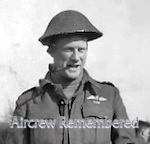 | Irish | 607Sqn 245Sqn  249Sqn  | DFC & Bar | Hurricane | 1998 | Born in Belfast on 9th June 1917. Belfast Technical School. Joined the RAFVR on 2nd February 1939 as an Airman u/t Pilot and began his flying training at 24 E&RFTS Belfast. Called up on 1st September 1939. Posted to 4 ITW Bexhill on 29th October. 9th December moved on to 6 FTS Little Rissington. Directed to join 245 Sqd at Hawkinge. The CO was surprised when three new pilots arrived on 18th June 1940, none of them having flown a Hurricane. On 19th September McConnell was attached to 32 Sqd at Acklington, on the 24th he was posted to 607 Sqd at Tangmere and finally to 249 Sqd at North Weald on 14th October. McConnell was jumped by a Me109 over the Channel on 10th January 1941 and received a bullet wound in the left leg. He managed to turn towards the English coast and baled out near Dover, being picked up by an ASR launch. His Hurricane, P3579, went head-on into the white cliffs. W/Cdr. FV Beamish probably destroyed McConnell's attacker. Hospital for four months. He returned to operations on 23rd May 1941 with 1 Sqd at Redhill. 28th March 1942 joined the newly-reformed 174 Sqd at Manston as a Flight Commander. DFC. Given command of the squadron when the CO, S/Ldr. EF Fayolle was killed over Dieppe on 19th August 1942. Bar to the DFC (gazetted 22nd September 1942), McConnell led the squadron until 14th February 1944. In Typhoon MM962 on a long range sweep over France. After dropping his auxiliary tanks, there was a fuel leak from the main tanks. McConnell reached the coast but realising he could not get far, he crash-landed near the village of Percy, south of St Lo. Captured by the Germans, he was imprisoned in Stalag Luft III and Milag Nord at Tarmstedt. Released on 9th May 1945 and returned to England. As a means of returning to flying, he applied for an instructors course and was posted to 2 EFTS Yatesbury on 10th October 1945. | |||||
| 25 | Measures | William Edward Geoffrey 'Tink' | Flt Lt | 33198 | British | 74Sqn 238Sqn  | AFC | Spitfire/Hurricane | Joined 74 Sqd in July 1937 from RAF Cranwell. Flew Spitfire I with them and with 238 Sqd in Hurricanes during the Battle. | ||||||
| 26 | Morrison | Neil | Sgt | 740636 | 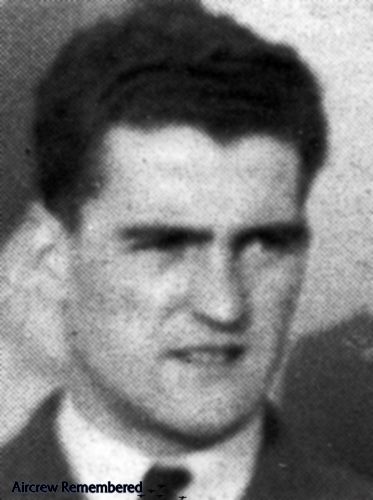  | RAFVR | British | 54Sqn 72Sqn  74Sqn | Spitfire | 2 | KIA | 1941-02-24 | Joined RAFVR September 1937 as an Airman u/t Pilot. Called up on 1st September 1939. 7 OTU, Hawarden on 2nd September. Converting to Spitfires and joined 54 Sqd at Catterick on 17th September 1940. First flight was made on the 18th, a sector reconnaissance. Moved to 72 Sqd at Biggin Hill on 4th October and then to 74 Sqd, also at Biggin Hill, on the 26th. Probably destroyed a Me109 on 29th October, destroyed another over the Channel between Dover and Calais on 1st November and shared in the destruction of a Me109 on 2nd December, with S/Ldr. AG Malan. Shared in the destruction of a Me110 on 22nd February 1941. Two days later posted 'Failed to Return' after a patrol in Spitfire IIa P7618. His body was washed ashore at Lydd-on-Sea on 6th May 1941. Glasgow Eastwood New Cemetery Scotland Age 26 | ||
| 27 | Mould | Edward Anthony 'Tony' | Sgt (later FO) | 67599 |   | RAFVR | British | 74Sqn 85Sqn | Spitfire | WIA | KIA | 1943-01-20 | Born in Mill Hill, Middlesex on 28 February 1917. Joined RAFVR February 1938 as an Airman u/t Pilot. Called up on 1 September 1939. Sent to 74 Sqd at Leconfield in May 1940. On 22 May he shared in destroying a Ju88. Flying patrol over France, brought down 24 May 1940. Returned to England by boat. On 8 July Mould damaged a Bf109 of JG51, which made a forced -landing on Bladbean Hill, Elham, Kent. Forced landing on 10 July 1940 after battle damage to Spitfire (P9446) whilst attacking 26 Dorniers escorted by fighters over a convoy near Dover. Shot down by a Bf 109 of JG 26 off Dover on the 28 July 1940 at 14:20 in his Spitfire I (P9336). Baled out and was wounded. Shot down by Bf109s in combat off Dover on the 28 July and baled out, wounded from Spitfire, P9336, which crashed on the roof at Buckland Mill, north of Dover. Commissioned in May 1941. Killed on 20 January 1943 as a Flying Officer with 85 Sqd, aged 26. Mosquito II came down in the Blackwater Estuary, cause unknown. Navigator, P/O W Fisher, was also killed. Brookwood Military Cemetery Age 26 | ||
| 28 | Mungo-Park | John Colin | Flt Lt (later Sqd Ldr) | 40008 | 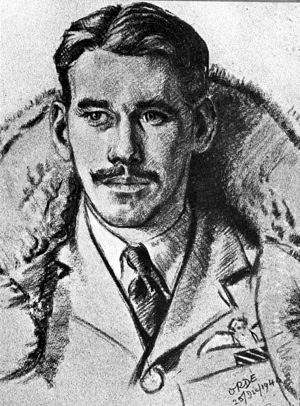 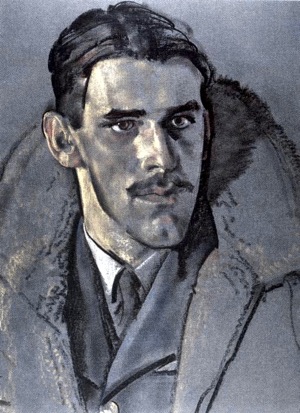 Drawing by Eric Kenningon 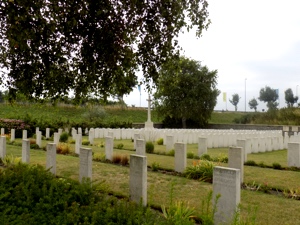 | RAF | British | 74Sqn| DFC & Bar | Hurricane/Spitfire | 11 | KIA | 1941-06-27 | Joined 74 Sqd 5 September 1939 Became Commander of the Squadron in April 1941. Killed by Bf 109 in a fighter sweep over France on the evening of the 27 June 1941 in Spitfire V (X4668). Adinkerke Military Cemetery Belgium Age 23 |
Archive Report Wikipedia Bio | |
| 29 | Murray | James | Sgt (later W/O) | 519400 | 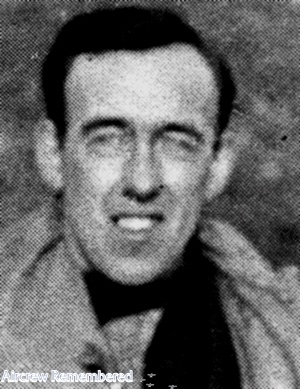  | RAF | British | 610Sqn 74Sqn | Spitfire | 1.5 | KIA | 1943-04-03 | Joined the RAF March 1935 as an Aircrafthand. Accepted for pilot training. 7 OTU Hawarden on 2 September 1940 to convert to Spitfires. Joined 610 Sqd at Acklington on 16 September 1940. To 74 Sqd Biggin Hill on 28 October. Destroyed a Me109 and shared another on 5 December 1940. Killed in the Middle East on 3 April 1943 as a Warrant Officer with the Aden Communications Flight. Vickers Vincent K4678 struck a hill while low-flying along the Yemeni border near Harib. His body was not recovered. Alamein Memorial Column 269 Egypt North Africa Aden Communication Flight/Aden Communication Unit/Aden Protectorate Communications and Support Squadron. This was formed on 21 April 1942 under the control of Khormaksar as the Aden Communication Flight, being retitled HQ British Forces Aden Communication Flight on 21 March 1943. |
||
| 30 | Nelson | William Henry | Fg Off (later Flt Lt) | 39675 |    | RAF | Canada | 74Sqn| DFC | Spitfire | 5 | MIA | 1940-11-01 | Ace |
Born in Montreal, Canada 1917-04-02, son of Henry and Sarafina Nelson of 4885 Cote St, Catherine Rd. Educated at Baron Byng High and Strathcona Academy. Joined the RAF in 1937 after working his way to England. On September 8/9 1939 he took part as Captain of a bomber in the RAF’s earliest operation, with 8 Whitleys dropping leaflets in NW Germany. After other operations he also took part in raids on Sylt and over Dunkirk during the evacuation. DFC by the King at Buckingham Palace 1940-06-04. First Canadian Jew decorated in WW2. His citation read 'Nelson carried out many flights over enemy territory, always showing the greatest determination and courage. After one attack on Stavanger, Norway, he encountered a balloon barrage and sent a report to base HQ in time to warn following aircraft. He wrote home that “ I thank God that I shall be able to help to destroy the regime that persecutes the Jews…..” Volunteering for Fighter Command and returning before his leave expired, he flew Spitfires from Hornchurch with 74 Sqd , shooting down a Bf 109, Bf 110 and damaging another Bf 110 on August 11 1940 when he took on six Bf 109s singehanded; damaging a Do 17 on the 13 August and destroying three more Bf 109s on October 17, 27 and 29. Killed 1940-11-01 by a Bf 109 attack over Dover in Spitfire P7312 at 1400 hrs. and crashed into the Channel. Listed as missing on the 52nd RAF casualty list on Nov 14 1940 but officially presumed killed on May 26 1941. He was 23 years old, left a wife (Marjorie Isobel) and young son and his name is inscribed on the Runnymede memorial, panel 4. Battle of Britain Spitfire Ace, the Life and Loss of One of the Few, Flight Lieutenant William Henry Nelson DFC, by Peter J. Usher  | |
| 31 | Richards | Duncan Hamilton | Sub Lt (FAA) | FAA | British | 12Sqn 111Sqn 73Sqn 803 Naval AirSqn  784 Naval AirSqn  809 Naval AirSqn (CO)  781 Naval AirSqn (CO)  | Hurricane | Survived war | 2nd September 1955 London | Born in 1920. Air Branch of the Royal Navy 11 September 1939. Flying training at 24 EFTS Sydenham, Northern Ireland. No. 1 FTS Leuchars for No. 8 Course. After training attached to the RAF on 29 June and he went to 12 OTU Benson, to convert to Fairey Battles, after which he joined 12 Sqd at Eastchurch on 30 August 1940. Joined 111 Sqd at Drem on 22 September. To 73 Sqd at Castle Camps on 5 November 1940. For a move to the Middle East it left Debden on the 9 November for Birkenhead. Embarked on HMS Furious. On 29 November the squadron flew its Hurricanes off at Takoradi. To Heliopolis, via Lagos, Accra, Kano, Maidugari, Khartoum,Wadi Halfa and Abu Sueir. During December 1940, attached to 274 Sqd in the Western Desert. Joined 803 NAS Sqd (FAA) at Dekheila, Egypt on 12 December as part of the Naval Fighter Wing in the Western Desert, flying Hurricanes. Returned to the UK in late 1942 and joined 784 NAS at Donibristle. Commanded 809 NAS and later led 781 NAS. | |||||
| 32 | Saunders | Cecil Henry 'Fishy' | Plt Off | 42893 |   | British | 92Sqn 74Sqn 145Sqn 154Sqn (CO)  145Sqn (CO) | Spitfire | 5.5 | WIA | Survived war | 1st September 1992 | Wounded 9 September 1940 at 17:30hrs. Crash landed Spitfire I (L1077) near Rye after attacked by Bf 109. Born 7 July 1911 in Forest Hill, London England. Joined the RAF, initial training at the Civil Training School at Derby on 24 August 1939. Then to 14 FTS Kinloss for No. 3 Course to 20th April 1940. Joined 92 Sqd at Croydon on 20 April 1940, direct from 14 FTS. Probable He111 and shared another on 4 July. On 11 July a probable Ju88. 9 September combat over Biggin Hill, crash-landed at Midley, near Rye, in Spitfire L1077. RAMC Hospital at Brookland, with shrapnel wounds in the leg. 11 October rejoined 92 Sqd. 26 October damaged Me109, on the 29th shared a Me110 and on 1st November he shot down a Ju87 and damaged a Me110. In this action his Spitfire, X4555, was damaged and he made a crash-landing three miles east of Eastchurch, unhurt. On 1st December destroyed a Me109 and on 5th February 1941 shared a Ju87. May 1941 posted to 74 Sqd at Gravesend as a Flight Commander. 27 June he got a probable Me109. Squadron went to the Middle East in April 1942. Joined 145 Sqd in the Western Desert in late July 1942 as a Flight Commander. On 3rd August he probably destroyed a Me109, on 11th September destroyed a Mc202, on 22nd October damaged a Me109 and on the 25th claimed another Me109 destroyed. Left 145 in November 1942. DFC 4th December 1942). Posted to 71 OTU Port Sudan, which later moved up to Abu Sueir, Egypt. For the invasion of Sicily on 10th July 1943 Saunders was on a Fighter Direction ship. He took command of 154 Sqd at Lentini East in August. The squadron moved on to Italy and in February 1944 went to Corsica, to cover the American invasion of Southern France. Saunders commanded the squadron until October 1944. He also commanded 145 Squadron in July/August 1945. Retired from the RAF on 5 May 1958 as a Wing Commander.  CH Saunders: TEJ Ream: Hugh Bowen-Morris: RH Fokes examining wreckage of Ju87 when Stuka J9 + BK of 2./StG1 was shot down just outside Manston airfield on 5th February 1941. Lt. E Schimmelpfennig and OberGf. H Kaden were killed. (see Kracker Luftwaffe Archive on this site)  Signed By: Wg Cdr Cecil Henry Saunders 92 Sqd: John Booth 600 & 23 Sqd Blenheim Air Gunner: Avis Hearn awarded M M for Bravery during Battle of Britain whilst under Stuka attack on Poling Radar Station Aug 1940: John Keatings 219 Sqd Air Gunner: Peter Ayerst confirmed victories in the Battle of Britain yet not eligible for the Battle of Britain Clasp! Alan W Gear 32 Sqd Hurricane pilot . |
||
| 33 | Scott | John Alan | Sgt | 745385 | 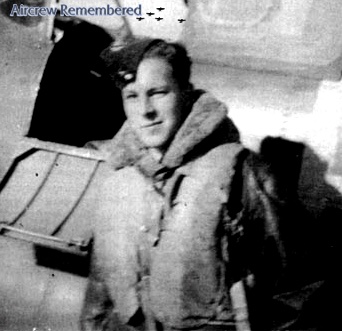  | RAFVR | British | 266Sqn 611Sqn  74Sqn | Spitfire | KIA | 1940-10-27 Age 22 | Born in 1918 at Greenford, West London. Joined RAFVR in March 1939 as an Airman u/t Pilot. Called up on 1 September 1939. 7 OTU Hawarden in early September 1940. Joined 266 Sqd at Wittering on 23 September. Moved to 611 Sqd at Tern Hill 27 September and then to 74 Sqd at Biggin Hill 23 October. Scott was shot down and killed in Spitfire II (P7526) in combat with Bf 109s over Maidstone on 27th October 1940. Crashed and exploded at Dundas Farm, Elmsted near Ashford. Alperton Cemetery England | |||
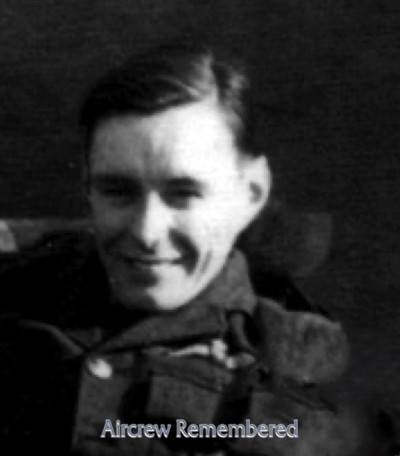
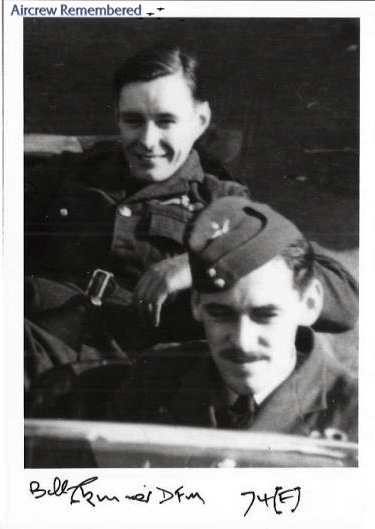
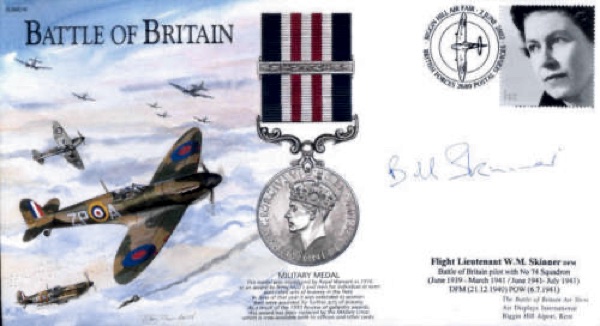
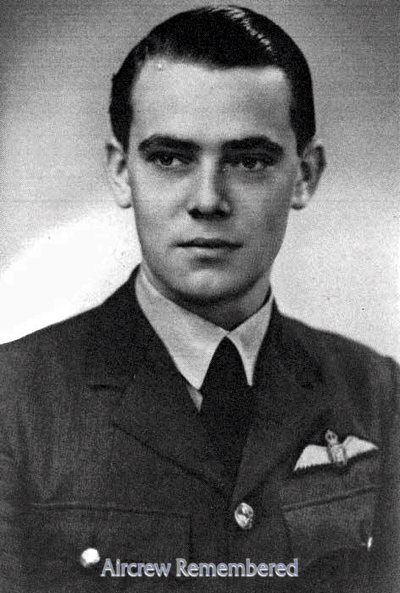
| 34 | Skinner | Wilfred Malcom | Sgt (later P/O) | 68722 |
| RAFVR | British | 74Sqn | DFC DFM  | Spitfire Vb W3208 ZP-U | 8 | PoW. Survived war | June 2003 | Archive report on the later loss
Joined 74 Sqd 10 June 1939 from No 5 E & R.F.T.S. at Hanworth. Scored over 8 victories during the Battle of Britain. Baled out of Spitfire I (X4022) after a collision while on patrol on 30 August 1940. Unhurt. Promoted to Pilot Officer and awarded DFC. At the time he was shot down and taken POW in July 1941 he was 74 Squadron's longest serving member. Made a PoW on the 6 July 1941 when shot down over France in Spitfire V (W3208). |
|
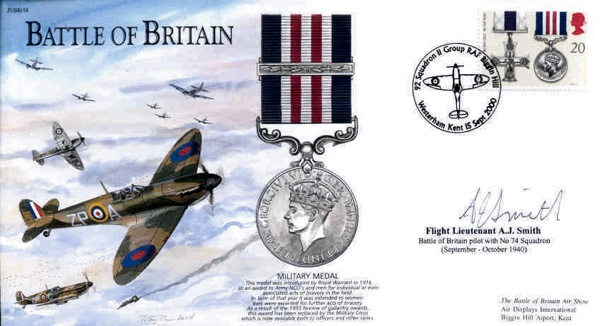
| 35 | Smith | Arthur Joseph | Plt Off | 42657 | 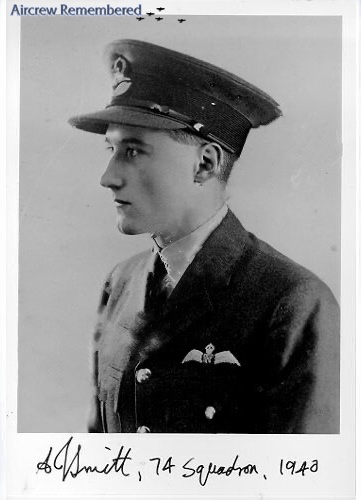 | British | 74Sqn| Spitfire | WIFA. Survived war | 22nd December 2004 | Born 8 November 1920 in New Barnet England. His father was 'Joey' Smith, British and European Lightweight Boxing Champion. Educated at Denmead School, Woking and King Edward VI Grammar School, Guildford. RAF on a short service commission on the 15 June 1939. Posted to 6 OTU Sutton Bridge on 28 April 1940 for Hurricane conversion. To RAF Uxbridge on 15 May to await a posting to France. In France his train was bombed by Stukas and he was evacuated by ship to UK. 7 OTU Hawarden for Spitfire conversion. Joined 74 Sqd at Coltishall on 30 September 1940. At the end of October posted to ferrying duties for a few months and was then allocated to flight testing duties. On 9th April 1942 he had just taken off from a Scottish airfield when his engine cut, almost certainly due to water contaminated fuel. He crashed into the trees that bordered the airfield. Smith was taken to hospital, so badly injured that his family was sent for. He endured months of operations, resulting in him losing two inches in height due to the removal of leg bone. Ground duties for the rest of his service and was released in 1946 as a Flight Lieutenant. |
 | ||||
| 36 | Spurdle | Robert Lawrence | Plt Off | NZ/2454 |
| RNZAF | New Zealander | 74Sqn | DFC | Spitfire | At least 5 | Safe | Died on the 05th March 1994, age 76 and now rests in the Mercury Bay Cemetery, Waikato, New Zealand. | Born Wanganui, New Zealand on 3 March 1918. Attended Wanganui Collegiate School before being accepted early in 1939 for the last short service commission course. Sailed for Britain early June 1940 to join a Spitfire OTU before joining 74 Sqd on 21 August 1940. Shared in a He III on 14 September. He destroyed five enemy fighters, probably three more and damaged a further four plus several probably destroyed bombers before he was posted in mid-April 1941 to join 91 Sqd. He probably destroyed another Bf 109 on 7 May 1941 and damaged another on the 23 May 1941. As far as is known Bob Spurdle, John Gibson and Michael Herrick were the only three New Zealand pilots to destroy enemy aircraft in both the Battle of Britain and the Pacific.
|
|
| 37 | St John | Peter Cape Beauchamp | Fg Off | 40230 |
| RAF | British | 74Sqn| Spitfire IIa P7431 Hurricane | KIA | 1940-10-22 | Joined 74 Sqd 7 May 1940 from 501 Sqd. KIA 22 October 1940. Spitfire II (P7431) shot down by a Bf 109 over South Nuttfield, Surrey at 15:30hrs. Amersham Consecrated Cemetery Age 23
|
Born on the 25th May 1917. Son of Robert Henry Beauchamp St.John (died 01st February 1956), his first wife Mary Agnes Sybil (married 01st October 1901 - née Shelton - died in September 1915 age 43) and Edith Mary St.John, (married on the 09th September 1916 - née Hutton - later Whall). Brother of Margaret Mary St.John (died 14th December 1975, age 56) and step brother of Dorothy Mary Beaufort St.John (died in March 1997, age 94), of Chesham, Buckinghamshire, England.of Notting Hill, London. | |||
| 38 | Stephen | Harbourne Mackay 'Steve' | Plt Off | 78851 | 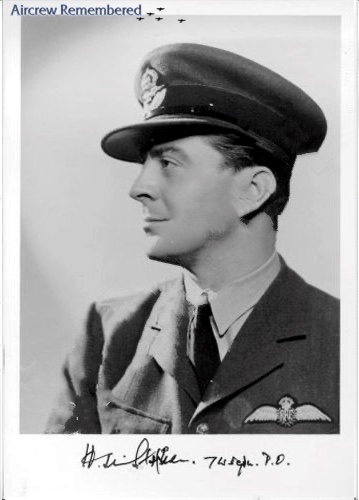  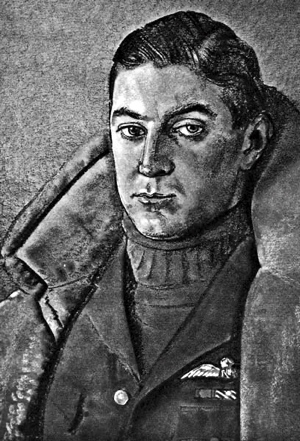 Portrait by Eric Kennington | RAFVR | British | 605Sqn 74Sqn 130Sqn  234Sqn (CO)  | CBE DSO DFC & Bar | Spitfire | 9 | Survived war | 22nd August 2001 | Joined RAFVR in 1937. Joined 605 Sqd first but moved to 74 Sqd on 1 March 1939. Flew Spitfires with the Tigers during the Battle. Claimed a Bf 109 on 28 July 1940 and another on the 20 October 1940. Total score was 9 confirmed and 8 shared. ,br>Born in Elgin, Scotland 18 April 1916. Educated at Shrewsbury. Joined RAFVR April 1937 as an Airman u/t Pilot. Trained at 13 E&RFTS White Waltham. He began training at 11 Group Fighter Pool at St. Athan in early September 1939 and after converting to Hurricanes was posted to 605 Sqd at Tangmere on the 20 September 1939 as a Sergeant-Pilot. On 28th March 1940 he was flying in Yellow Section when a He111 was sighted, 605’s first encounter with the Luftwaffe. The section leader damaged the bomber and 43 Sqd later shot it down. Commissioned in April, posted to 74 Sqd at Hornchurch on the 7th and joined it on the 10th. Over Dunkirk on 24th May shared a Hs126 and a Do17, on the 26th shared another Hs126 and on the 27th destroyed a Me109 and shared a Do17. On 28th July Stephen damaged a Me109, on 11th August he destroyed a Me109, probably destroyed two Me109s and two Me110s and damaged a Me109 and a Me110, on the 13th he probably destroyed a Do17, on 11th September destroyed a Ju88 and damaged a Me109, on 1st October damaged a He111 and on the 5th shared a Do17. Me109 destroyed and probably another on 20th October, a Me109 destroyed on the 27th, three Ju87s destroyed on 14th November, a Me109 damaged on the 15th, two Me109s shared on the 17th and 30th, a Me109 probably destroyed on 2nd December and two Me109s destroyed and another shared on the 5th. DFC 27 August 1940. Bar to DFC 15th November 1940. DSO 24th December 1940. On 30th November 1940 Stephen and F/Lt. JC Mungo-Park shared the shooting down of the 600th German plane credited to RAF Biggin Hill. The combat occurred at 34,000 ft. which was at that time a record altitude for air combat.11th January 1941 posted away to 59 OTU Turnhouse as CFI, but this was altered to secondment to the RAE Farnborough. June 1941 posted to Portreath to form 130 Sqd. Took command of 234 Sqd at Warmwell in late July. On 12 August 1941 damaged a Ju88 and on 15 October shared a Me109. He led 234 until early 1942, when he was posted to the Far East. Baled out of an aircraft which caught fire at 4000 feet. He landed safely at Karapara, twelve miles NE of Barapore, near Calcutta. He was Wing Leader at Dum Dum and then Jessore, he later commanded 166 Fighter Wing, went to HQ 224 Group, Fighter Ops and then to Air Command South East Asia, as Ops A. Released from the RAF in 1945 as a Wing Commander. CBE in 1985. |
|
| 39 | Stokoe | Jack | Sgt (later Sqd Ldr) | 60512 | 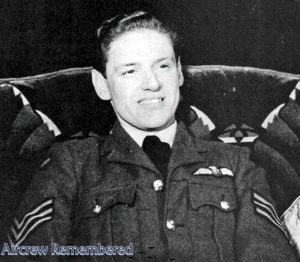 | RAFVR | British | 603Sqn 54Sqn | DFC | Spitfire | 8.5 | Survived war | 2nd October 1999 | Wounded 2 September 1940 at 17:25hrs. in combat with fighters. Baled out Spitfire I (N3056). Later in the War he joined 54 Sqd Born in West Cornforth, County Durham 1st February 1920. Joined RAFVR June 1939 as an Airman u/t Pilot at 26 E&RFTS Oxford. At the outbreak of war, sent to No. 1 ITW Cambridge, based at Magdalene College. Posted to 15 FTS Lossiemouth for No. 6 Course, which ran from 29th December 1939 to 10th June 1940. 5 OTU Aston Down on 10th June and converted to Spitfires. He joined 263 Sqd at Drem on 26th June 1940. Squadron was converting to Whirlwinds but he chose to remain on single-engine fighters and was posted to 'A' Flight of 603 Sqd at Dyce on 3rd July 1940. Probably destroyed a Me109 on 29th August, destroyed a Me109 and probably another on the 31st, destroyed another Me109 on 1st September and damaged a Me110 on the 2nd. Shot down in flames in Spitfire N3056. Baled out wounded, reported 'Missing'. He turned up at Leeds Castle Hospital, near Maidstone. He spent six weeks in hospital, with severe burns on hands and face. Non-effective sick until 14th October 1940, when he returned to the squadron. On the 26th his engine seized at 25000 feet. Decided he could glide back and made a successful landing. Examination of Stokoe's intact Spitfire revealed an oil pump system fault. Once discovered this defect was rectified on other Spitfires. Shared a Me110 on 7th November, destroyed a Me109 and damaged another on the 8th, destroyed another on the 17th and shared a Do17 on the 29th. Commissioned in January 1941, Stokoe was posted 54 Sqd at Catterick on 3rd February. On 5th March got a Me109 and on 20th April got a Me110 but was himself shot down in Spitfire P7666. Baled out safely into the sea and picked up. On 6th May Stokoe a Me109, on 7th June he shared in probably destroying another, got another probable on the 21st and destroyed another on the 24th, his final victory. Posted to 74 Sqd at Gravesend on 27th June 1941. To 59 OTU Crosby-on-Eden as an instructor. To 60 OTU East Fortune on 17th July 1941. This unit was re-numbered 132 OTU in November 1942. To 1692 (R/D) Flight at Drem on 3rd October 1943, to instruct on specialised airborne radar equipment. DFC 6th June 1944. In late June 1945 he became Senior Admin Officer at Great Massingham, later becoming Station Commander. |
|
| 40 | Storrar | James Eric 'Jas' | Plt Off (later W/C) | 41881 |  | British | 145Sqn 73Sqn 421 Flt | DFC | Hurricane | 6 | Survived war | 29 March 1995 | Born on 24th July 1921 at Ormskirk. Chester City and County School. Joined the RAF (by adding to his age) on a short service commission. No. 1 E&RFTS Hatfield on 23rd January 1939 and 11 FTS Shawbury for No. 12 Course. Befofre finishing course he moved to the Blenheim Conversion Flight and then joined 145 Sqd at Croydon on 23rd October. Converted to Hurricanes in March 1940. On 23rd claimed a Me110 destroyed, on the 24th a Do17 and on the 27th two Me110's near Dunkirk. On 11th July he got a He111, on the 15th a probable Do17, on the 18th a shared He111, on the 27th a Me109, on the 29th a shared Ju88, on 8th August a Ju87 destroyed and another damaged, on the 12th a probable Me110 and on 8th September a shared, probable Do17. DFC 20th August 1940. 28th September posted to 73 Sqd at Castle Camps. He was detached from 73 to 421 Flight on 20th October. He flew one sortie with the Flight, on the 24th, rejoined 73 on the 25th. Left Debden on 9th November for Birkenhead, en route for the Middle East. Embarked in HMS Furious at Glasgow on the 13th, with its aircraft, and flew off to Takoradi on the 29th. The squadron then flew in easy stages to Heliopolis via Lagos, Accra, Kano, Maidugari (Nigeria), Khartoum, Wadi Haifa and Abu Sueir. During December the pilots were attached to 274 Sqd in the Western Desert. Early January 1941 73 Squadron began activities. On the 3rd Storrar joined S/Ldr. AD Murray and Sgt. AF Marshall in destroying eight enemy aircraft on a landing ground, on the 6th he shot down a CR42 in the Tobruk area, on 1st February he destroyed a Caproni Ghibli on Apollonia airfield and on the 5th, again with Murray and Marshall, he strafed Benina airfield destroying some eight enemy aircraft on the ground between them. On the 19th Storrar damaged a Me110. On 4th April 1941 got a Ju87 near Derna. He later saw a Lockheed Lodestar which had made a forced-landing in the desert. He landed and found it to be General Wavell's personal aircraft. The pilot managed to take off again but Storrar could not restart his own engine and had to return to Tobruk on foot. In Takoradi for a rest, Storrar and four other pilots were ordered to fly a Blenheim and two Hurricanes to Freetown on 21st June 1941. Forced by bad weather to make a forced-landing in the jungle, the pilots had no way of taking off again and they walked 72 miles in two days and three nights, arriving at the Firestone Rubber Plantation, 35 miles from Monrovia in Liberia. Returned to the UK in November 1941 and was posted to 55 OTU Annan as OC Gunnery Training Squadron. In January 1943 he took command of 65 Sqd at Drem. On 29th June he probably destroyed a Fw190, on 18th August shot down a Me109, on the 31st damaged a Fw190, his final victory. Bar to DFC 29th October 1943 and posted away to 53 OTU on 15th November 1943 as an air-firing instructor. From April to October 1944 Storrar was in 1697 ADLS Flight, engaged on communications duties to and from the Continent. He commanded 64 Sqd in October/November, 165 Sqd from November 1944 to January 1945 and 234 Sqd from January to March 1945. Wing Commander Flying successively at Hunsdon, Digby and Molesworth, from March to August 1945. Flew top cover for Operation Nestegg, the liberation of Jersey on 9th May 1945. He then went to a staff job at HQ 12 Group until January 1946, when he went to 239 Wing, Desert Air Force in Italy, leading it until April 1947 when he was released from the RAF as a Wing Commander. June 1949 joined 603 Sqd AAF and served with it until March 1952. He then went to 610 Sqd which he commanded from 1954 until its disbandment on 10th March 1957. Destroyed 2 prior to the Battle. His take off cry was 'Fuel and noise- Let's go!'. During July he shot down 8 more. 8 August 1940 shot down a Ju 87 and, on the 12 August a Bf 110. DFC 20 August 1940. He ended the war as a Wing Commander with 6 confirmed and 3 shared. |
||
| 41 | Sutcliffe | William Alfred | Sgt (later Flt Sgt) | 565302 |  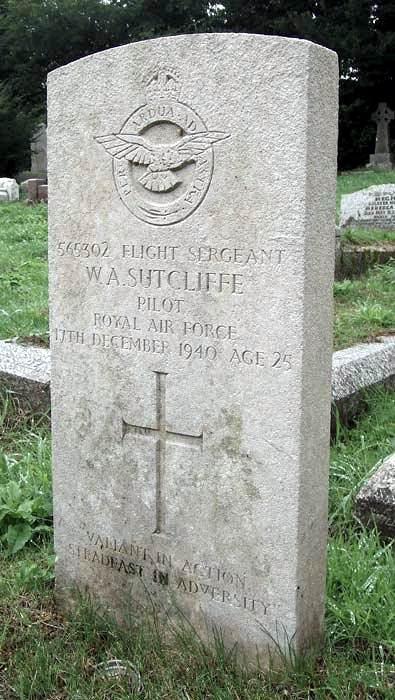 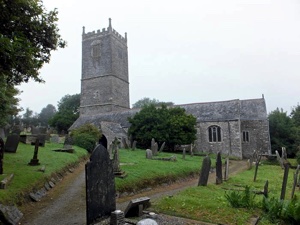 | RAF | British | 610Sqn | Spitfire | KIA | 1940-12-17 | Born in Middlesex. Educated at Spring Grove Central School. Joined the RAF in January 1931. He served in the Middle East. Applied for pilot training and was selected. Early September 1940 arrived at 7 OTU Hawarden to convert to Spitfires. Then joined 610 Sqd at Acklington on 23rd September. Posted to 74 Sqd at Biggin Hill on 3rd December 1940. On the 17th December 1940 flying Airspeed Oxford P6814 of the Central Flying School, killed when crashed at Rowde, near Devizes in Wiltshire, owing to icing. Lanteglos by Fowey St Wyllow Churchyard Cornwall, England Age 25 | |||
| 42 | Szczęsny | Henryk 'Sneezy' | Plt Off (later Sqd Lrd) | 76781 | 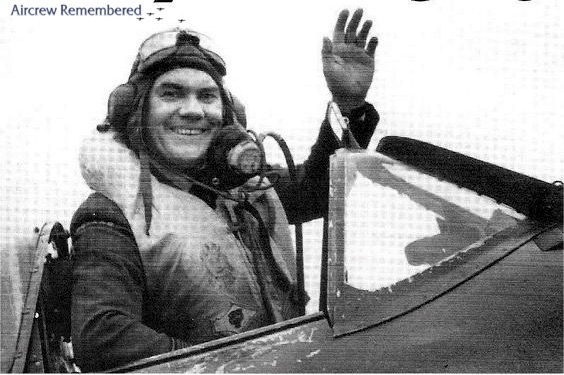 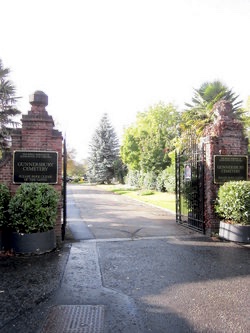 | PAF | Polish | 74Sqn 317Sqn Polish  | Virtuti Militari DFC Krzyz Walecznych (x4) Medal Lotniczy (x2) Wound Badge (x2) | Spitfire | 9 | Died | 1996-07-25 | Born in Warsaw and went to college there. Army cadet before joining the Polish Air Force at Deblin. Married with 2 sons. Fought the Germans in Poland and wounded. Escaped to Malta by ship and arrived at Eastchurch via France. Joined 74 Sqd in August 1940 after converting to Spitfires and learning English. Also known as 'Henry the Pole'. His tally of kills was 8 confirmed 3 shared 1 probable and 2 damaged. He attained the rank of Squadron Leader. Later in 317 Sqd. Szczesny was appointed Squadron Leader Flying of the Polish Wing at Northolt on 28 December 1942. He was leading the Wing on 4 April 1943, escorting USAAF bombers over France, when, on the way back, they were attacked by FW 190s. Szczesny shot one down but collided with another. He baled out and was captured by a German patrol. He was freed in April 1945 and returned to Britain. He stayed in the RAF, retired in 1965 as a Flight Lieutenant, retaining the rank of Squadron LeaderDied in London. Gunnersbury Cemetery Age 87 Archiwum Database |
|
| 43 | Turner | Donald Eric | Flt Lt | 32254 | 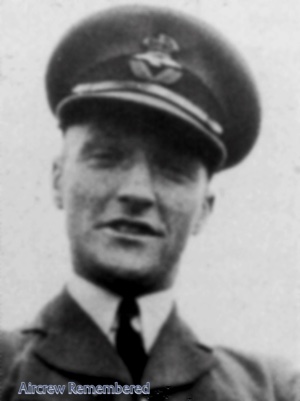 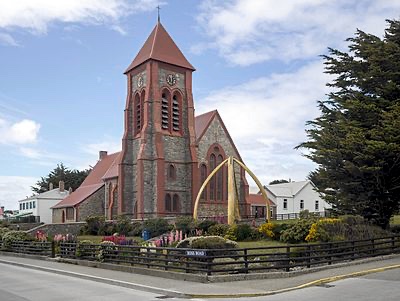 | RAFVR | British | 238Sqn | Hurricane | MIA | 1940-08-08 | Born in Stanley in the Falkland Islands on 31 July 1910. Went to England at the age of 10. Educated at the King Edward VI Grammar School at Bury St Edmunds. In September 1932 joined the RAF on a short service commission. Joined 19 Sqd at Duxford in September 1933. Moved to 65 Sqd and then 74 Sqd, which was about to sail for Malta. 87 Sqd at Tangmere on 22 March 1937. Recalled to the RAF on 1 September 1939 and became a staff pilot at Prestwick. He arrived at 6 OTU on 12 June 1940, for a refresher course. After converting to Hurricanes, posted to 238 Sqd at Middle Wallop on 13 July. He took command of ‘A’ Flight. Destroyed a Bf 109 on 20 July and shared in the destruction of a Bf 110 and a Do 17 on the 21st July. Shot down in combat over Convoy Peewit south of the Isle of Wight on 8 August, in Hurricane P3823, and was reported Missing. Never found and his name is on the Runnymede Memorial, Panel 5. There is a memorial to him in Stanley Cathedral, Falkland Islands. In the squadron’s operations record book it was recorded that, 'Flt Lt Turner’s keenness, energy and good humour made him very popular with everyone and his strong reliable character made him an excellent second-in-command. He has been greatly missed.' Shot down and killed in Hurricane I (P3823) by Bf 109s on 8 August 1940 at 12:45hrs South of the Isle of Wight. Runnymede Panel 5 |
|||
| 44 | Wilkinson | Royce Clifford 'Wilkie' | Fg Off | 44125 |    Plaque on Eagle Memorial, US Embassy London  US Embassy London | RAF | British | 3Sqn 71Sqn (Eagle)  121Sqn (Eagle)  174Sqn  1Sqn | OBE DFM & Bar Croix de Guerre (France) | Hurricane | 9 | Survived war | Sheerness, Kent 1990 | Born in Mexborough, Yorkshire on 26th November 1913 and educated at the secondary school there. Joined the RAF at Halton in January 1930 as an Aircraft Apprentice and passed out in December 1932 as a Fitter, Aero Engines. He was posted to RAF Aboukir in 1933. Applied for pilot training. Joined 3 Sqd at Kenley in May 1937.On 10th May 1940 the squadron went to France, attached to 63 Wing. Wilkinson shared in destroying a Hs126 on the 12th, destroyed a He111 and a Hs126 on the 13th, two Me109's on the14th, a Me110 on the16th, two He111's on the 19th and he shared in the destruction of two He111's on the 20th. The squadron withdrew to Kenley on the same day. Received the double award of DFM and Bar 31st May 1940. Commissioned 15 May, whilst he was in France, appointed 'A' Flight Commander on that day, with the rank of Acting Flight Lieutenant. Destroyed 9 2/3 enemy aircraft in one week.
He helped form two American 'Eagle' Squadrons. 71 Sqd was formed on 21st October 1940, of which he was a founder member as 'B' Flight Commander. To Kirton-in-Lindsey on 14 May 1941 to form 121 Sqd (Eagle) on its formation on 14th May 1941. Posted away on 3 March 1942 to form and command 174 Sqd at Manston, the first Hurricane fighter/bomber squadron which he commanded. 3rd May 1942 shot down in Hurricane IIc BE674 by flak during an attack on Abbeville airfield and baled out at a very low level. With the aid of a French woman, Madame Duhamel of the French Resistance, who later became his daughter's Godmother, he evaded capture and arrived back in England through France and Spain to Gibraltar, going almost everywhere by train and car in broad daylight, and in his own words 'I had a lovely time'. He eventually reached Marseilles and crossed into Spain. Wilkinson flew back to England in a Sunderland from Gibraltar. Commanded 1 Sqd at Acklington and Biggin Hill from 1st August 1942 to 30th May 1943, when he was appointed to lead the Gravesend Wing. In March 1944 he was given command of HQ 149 Airfield, in 11 Group. He formed one of the Mobile Airfields of 2nd. TAF for the invasion of Europe in 1944 and in the Pacific he led the longest Spitfire raid of the war, a four-hour-fifty-minute flight from Darwin, Australia to Timor Island and back, without loss. He always led from the front and was highly decorated being awarded the OBE, DFM and Bar, Croix de Guerre. In August 1944 Wilkinson was sent to Australia on special duties. After return to the UK he went to a staff appointment at the Air Ministry in December 1945. Wilkinson was released in April 1946, as a Wing Commander. Biography 'Spitfire RCW' by Nelson Kenneth James |


Results 1 to 44 of 44.


