
- Home
- Maps▾
- FAQ▾
- About/Donate▾
- News▾
- Obits
- Contact/Help▾
- PersonalHistories▾
- Cross Reference Research Lists ▶
- Recent Archive Reports
- Profiles in Courage
- 1914 -1918 WW1 Material
- Royal Air Force + RAFVR ▶
- WAAF/WRAF
- Australia
- Belgium
- Canada
- Site honouring Czechoslovak RAF
- Holland: LOST Rob Philips Memorial Archive
- New Zealand
- Norway, Denmark, Sweden, Finland
- Poland
- South Africa
- Archiwum Mielnika: Polish Air Force Archive
- USAAF & USAF
- USA WASP Flygirls
- USA - Co de Swart Gallery: Baker Crew 95th BG
- USA - Co de Swart Gallery: Geyer Crew 98th BG
- Axis Powers
- Russia/Soviet Union
- RCAF 409 The Nighthawks
- Hore-Kennard RCAF
- Zenon Bartkowiak PAF
- Charles Dills USAAC
- Gerald Schwartz USAAC
- Ralph Malan Memoirs
- Soviet Women 'Night Witches'
- Full Story of Lancaster Z-Zebra
- First Air Raid Victim
- 1914 -1918 WW1 Material
- Databases▾
- Databases Master List
- Consolidated Names: includes 500K+ names from all our databases
- Cross Reference Research Lists
- Research Sources
- MULTI-NATIONAL DATABASES
- Aces and Aviators International WW1 - 3000+
- Vitz Archive: War Crimes Victims of Axis
- NEW! USAAF & Allies Non Combat Incidents and Losses
- ALLIED DATABASES
- Allied Losses and Incidents: all Commands
- Aircrew Deaths & Resting Places Worldwide 1939 - 47 120,000+
- Alamein Allied Air Forces Memorial 3000+
- Allied Non-British Graves in Europe managed by CWGC
- Battle of Britain: Enhanced and Extended
- Glider Pilot Regiment Casualties
- Korean War UN Forces Database
- LOST Rob Philips Memorial Archive Dutch/2TAF Losses
- Malta Memorial Database
- Nordic Allied Database
- Ottawa Allied Air Forces Memorial Database
- Paradie RCAF Archive
- Archiwum: Polish Air Force Archive
- Polish Honour Roll
- RAAF Honour Roll
- RCAF Notes - 9000+
- Royal Navy Fleet Air Arm
- Runnymede Memorial Database
- Soviet Aces Database 1941 - 1945
- US Aces and Aviators WW2
- US Air Service Victories WW1
- USAAF Allies NonCombat Losses
- USAAF Operations WWll
- US Marine Corps Squadrons WWll
- Vitz Memorial Archive: War Crimes Victims of Axis
- AXIS DATABASES
- Kracker Luftwaffe Archive
- Deutsches Kreuz in Gold
- German Graves in UK
- German WW2 Aces
- Luftwaffe Graves Managed by CWGC
- Luftwaffe Victories by Name/Date
- Archives ▾
- Archiwum: Polish Air Force Archive: Data on 17,000
- Kracker Luftwaffe Archive
- LOST Rob Philips Memorial Archive: Holland
- Paradie Canadian Archive
- Paul McGuiness RAAF Archive WW1 & WW2
- Profiles in Courage
- Vitz Memorial Archive: War Crimes Victims of Axis
- USAAF Combat Operations 1941-45 Worldwide
- 409 RCAF: The Nighthawks
- Detailed Personal Archive RCAF Officer
- Charles Dills Archive
- Gerald Schwartz Archive
- Ralph Malan Memoirs
- RAF Coastal Command Patrol Areas
- US Intelligence Analysis German Anti Aircraft
- Allied Mine Laying Map (Gardening)
- Airborne Forces - a short history
- More ▾
- de Swart Gallery: Baker Crew, Geyer Crew
- Guide to Complete Site
- Helpdesk
- Donate
- Lay a Wreath
- Your relative's CWGC grave explained
- CWGC War Graves in USA
- Doing Your Own Research
- Research Sources
- US Assistance to Warsaw Uprising
- Our support for charities
- Axis Awards Descriptions
- Stolperstein: Permanent Remembrance
- Who fought for Britain 1939 - 1945
- Aerotoxic Syndrome
- Bermuda Triangle Mystery
- Cross Reference Research Lists
- Not Many People Know That
- Image Acknowledgements
- Abbreviations Used by Forces
- Poetry of Direct Personal Experience
- Staggering Cost in Lives of WWll
- Animated Map All Allied Bombing WW2
- USAAF Combat Operations 1941-45 Worldwide
- Polish Airmen Fighting (Video)
- Important Links
- Canada Memorial Project
- Remembering Banica
- Book Reviews
- 1 BFTS Texas
- Veterans Appeals
- Korean Conflict
- Vietnam Conflict
- Other Conflicts
- Commercial Aviation
- Bush Flying
- Nose Art
- Military Humour
- Airborne Forces - a short history
-

RAF Battle of Britain Consolidated Database
3094+ Entries in Database
Search Tips •
DatabasesAll databases on site •
Names in databaseCheck spelling of names in the database •
Accredited SquadronsOnly members of these units eligible for Battle of Britain Clasp
Check the Databases Menu for the extensive list of our databases which represent decades of original research by our Editors
THIS DATABASE IS CURRENTLY UNDER DEVELOPMENT
Read Search Tips. Corrections and Additions via Helpdesk please
NOTE: KIA = Killed In Action. WIA = Wounded In Action. KIFA = Killed in Flying Accident. = Jewish as per jewishvirtuallibrary.orgFate In Battle is date of incident between July 10 1940 and October 31 1940. Fate After Battle is date of death after the Battle
3-character searches are now supported.
If you need help, EMAIL us with name and database to search and we will perform the search manually for you.
To search on squadron, append 'Sqn'. Examples: '72Sqn' or '416Sqn'
Read Search Tips. Corrections and Additions via Helpdesk please
NOTE: KIA = Killed In Action. WIA = Wounded In Action. KIFA = Killed in Flying Accident.
= Jewish as per jewishvirtuallibrary.orgFate In Battle is date of incident between July 10 1940 and October 31 1940. Fate After Battle is date of death after the Battle
The Battle of Britain clasp (worn on the 1939-45 Star – or a silver gilt rosette if medal ribbons only are worn) is restricted to aircrew from 71 defined units
of RAF Fighter Command, Coastal Command or the Fleet Air Arm, who flew at least one operational sortie between 00:01 July 10 1940 and 23:59 October 31 1940.
To see a larger database covering the entirety of WWll, refer to our Allied Losses and Incidents database. This database is the result of research into all known sources of information on the crews which fought the Battle of Britain on the Allied side. It is surprising that for the most significant air battle of WW2, and even after 80+ years, there remains any uncertainty at all about who took part and in some cases, what they did. We have made it our objective to develop this database into a most comprehensive and accurate record which brings to life those heroic deeds. You can help: send corrections and additional information via our Helpdesk.
We believe this database to be among the most useful records extant in terms of its searchability: for example, it is easy to determine all Blenheim crews, or losses on a specific date or the members of a particular squadron.
Readers are referred to the following sites which we have used to cross-check information and we acknowledge and thank them as respected sources for some of the material in this database:
VintageWings.ca: comprehensive listing of artworks
bbm.org: Comprehensive listing of RAF personnel and service records
Wikipedia: Life stories of leading pilots and crew
AircrewRemembered Paradie Canadian Archive Database: 45,000 Service Records of RCAF personnel
AircrewRemembered Allied Losses and Incidents Database: Covering 120,000+ Allied aircrew 1939 - 1945
AircrewRemembered Archiwum: specialist database with details of Polish personnel (in Polish)
AircrewRemembered Kracker Luftwaffe Archive: 31,000 Luftwaffe pilot and crew details
AircrewRemembered LOST: Rob Philips Memorial Archive: Dutch losses in Europe
bel-memorial.org: Comprehensive site on Belgian aircrew
of RAF Fighter Command, Coastal Command or the Fleet Air Arm, who flew at least one operational sortie between 00:01 July 10 1940 and 23:59 October 31 1940.
To see a larger database covering the entirety of WWll, refer to our Allied Losses and Incidents database. This database is the result of research into all known sources of information on the crews which fought the Battle of Britain on the Allied side. It is surprising that for the most significant air battle of WW2, and even after 80+ years, there remains any uncertainty at all about who took part and in some cases, what they did. We have made it our objective to develop this database into a most comprehensive and accurate record which brings to life those heroic deeds. You can help: send corrections and additional information via our Helpdesk.
We believe this database to be among the most useful records extant in terms of its searchability: for example, it is easy to determine all Blenheim crews, or losses on a specific date or the members of a particular squadron.
Readers are referred to the following sites which we have used to cross-check information and we acknowledge and thank them as respected sources for some of the material in this database:
VintageWings.ca: comprehensive listing of artworks
bbm.org: Comprehensive listing of RAF personnel and service records
Wikipedia: Life stories of leading pilots and crew
AircrewRemembered Paradie Canadian Archive Database: 45,000 Service Records of RCAF personnel
AircrewRemembered Allied Losses and Incidents Database: Covering 120,000+ Allied aircrew 1939 - 1945
AircrewRemembered Archiwum: specialist database with details of Polish personnel (in Polish)
AircrewRemembered Kracker Luftwaffe Archive: 31,000 Luftwaffe pilot and crew details
AircrewRemembered LOST: Rob Philips Memorial Archive: Dutch losses in Europe
bel-memorial.org: Comprehensive site on Belgian aircrew
3-character searches are now supported.
If you need help, EMAIL us with name and database to search and we will perform the search manually for you.
To search on squadron, append 'Sqn'. Examples: '72Sqn' or '416Sqn'
These are the results of your search:
You searched for: “Neil”
| # | Name SORT (↑) | First Names | Rank | Service No. | Photo | Air Force | Country of Origin* | Squadrons | Awards | Aircraft | Victories | Fate in Battle | Fate After Battle | DateOfDeath | **************Notes************** |
|---|---|---|---|---|---|---|---|---|---|---|---|---|---|---|---|
| 1 | Beamish | Francis Victor | Wg Cdr | 16089 |  Rare colour drawing by Cuthbert Orde  | RAF | Irish | 151Sqn 249Sqn 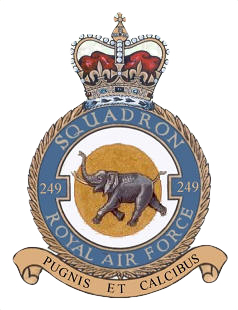 56Sqn  | DSO DFC  | Hurricane | MIA | 1942-03-28 Age 39 | Born 1903-09-27 at Dunmanway Ireland. Cranwell in the Autumn of 1921 as a flight cadet where he learned to fly. Born leader of men, a superb pilot and instructor. born in County Cork in 1903, well before the births of most of the pilots of the Battle of Britain. As such, he felt the full impact of the First World War on families in Great Britain. He was one of three brothers who went on to outstanding careers in the RAF. His brother George, a gifted professional rugby player would attain the rank of Air Marshal and his brother Charles, also a rugby player, would become a Group Captain. Beamish attended the RAF College at Cranwell in 1921 and upon graduation, he joined No. 4 Army Cooperation Squadron at RAF Farnborough, flying the Bristol Fighter. After a period as an instructor at Cranwell, he was exchanged for an RCAF officer and spent two years in Canada before returning to lead a flight in 25 Squadron. He came down with tuberculosis in 1933 and was retired from active service with the air force. RAF to the bone, Beamish was decidedly unhappy about his forced retirement and took up a series of civilian positions with the RAF Volunteer Reserve. He recovered his health fully by the beginning of 1937 and was reinstated as a flying Flight Lieutenant. He began his “comeback” in command of the new Meteorological Flight at RAF Aldergrove (for which he was awarded the Air Force Cross) and finally he rejoined a combat-ready squadron when he took command of 64 Sqd at RAF Church Fenton at the end of 1937. At the outset of the Second World War, at the ripe old age of 36, he took command of 305 Sqd. Though he was a very good squadron commander and aggressive pilot, he also had recognized staff and administration skills, and he then returned to Canada for staff duties which included an assessment of the Curtiss P-40 Kittyhawk fighter. He returned by the end of May, 1940 to take command of the wing at RAF North Weald. He flew operational sorties with his squadrons whenever possible and began to rack up victories against the Germans in the Battle of Britain. In July he was awarded the DFC and in November the DSO. As mentioned on the previous caption, he was involved in an air-to-air collision with “Ginger” Neil, necessitating a forced landing. He was damaged three times in combat and safely landed his Hurricane each time. He was then assigned command of the wing at RAF Kenley and, in February of 1942 while on patrol, spotted the German battleships Scharnhorst and Gneisenau and the heavy cruiser Prinz Eugen along with defensive ships making their famous, and ultimately successful, Channel Dash to safety in Wilhelmshaven. Two months later, he was killed in action while engaging the enemy near Calais. Runnymede Age 39 |
||
| 2 | Benzie | John 'Jack' | Plt Off | 42185 |  | RAF/RCAF | Canadian | 242Sqn | Hurricane | KIA | 1940-09-07 | Pilot Officer John ‘Jack’ Benzie disappeared during heavy fighting over the east of London 80 years ago on September 7. His remains went missing for decades – until two metal detectorists stumbled across parts of the aircraft wreckage at Blackacre in Theydon Bois, Essex, while looking for Roman coins. Benzie, from Winnipeg, was born on March 14 1915 and educated at St John’s Technical School. He served in Princess Patricia’s Canadian Light Infantry for three years prior to joining the RAF on a short service commission and came to England on March 16 1939 on the RMS Aurania. “He was trained by experienced instructors, men like John Betty, who had hundreds of hours in their logbook. “The training was thorough but, in the words of Tom Neil, his near contemporary at Montrose, still harked back to the last war. “He got his wings at Montrose in December 1939 and was commissioned as Pilot Officer. “After further training on Hurricanes he was posted to 242 Squadron at Church Fenton.” The squadron moved to France after the German invasion and he was shot down and baled out near Dunkirk on May 23. After recovering from his wounds, he re-joined the squadron on July 11, right at the start of the Battle of Britain, already a battle-scarred veteran. Benzie took off in Hurricane P2962 on September 7 and never returned from a combat over the Thames Estuary. He was reported missing “but believed to have lost his life”. A cable to his parents John and Agnes Benzie from Winnipeg on September 9 was confirmed by a letter written two days later. “An uncontrolled Hurricane which crashes into the ground from a great height makes a deep crater and at the time, investigating such crashes was not a high priority so Benzie was commemorated on the Runnymede Memorial. “It was not until 1976 that an aircraft archaeology group found the wreck of a Hurricane and the remains of the pilot at a depth of 18 feet underground. “The location, Theydon Bois, Essex, fitted Benzie’s last known position.” “No conclusive evidence to identify the aircraft or the pilot could be found to meet their criteria,” “Almost certainly, they are the remains of Pilot Officer John Benzie. He is remembered on the Runnymede Memorial, Panel 5." Hurricane P2962 failed to return after combat ober the Thames Estuary. Suspected crash site and remains found post war but not positively identified. Runnymede Age 25 |
|||
| 3 | Cameron | Neil | Sgt | 102585 | 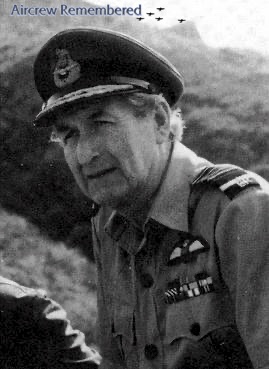 | RAF | British | 1Sqn 17Sqn  | KT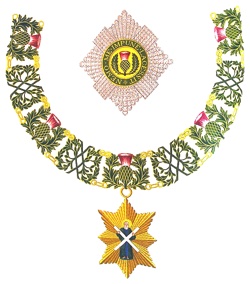 GCB  CBE  DSO DFC | Hurricane | 5 | Died | 1985-01-29 | Official Ace. Cameron was brought up by his mother and grandfather in Perth, his father having died when he was three weeks old. Attended the Northern District School. Joined the Royal Air Force Volunteer Reserve in May 1939 and started his flying training at No. 3 Initial Training Wing at Hastings. From March to September 1940 he completed his elementary pilot training, advanced training and operational training before being posted to 1 Sqd at Wittering as a sergeant pilot flying Hurricanes. He was posted to 17 Sqd at RAF Martlesham Heath in October 1940 in time to take part in the final stages of the Battle of Britain. Joined 134 Sqd at Murmansk in northern Russia in July 1941 and was granted a commission with the war substantive rank of pilot officer on 31 July 1941. Off the coast of northern Russia he was required to take-off from a Royal Navy aircraft carrier without practice. Promoted to the war substantive rank of flying officer on 4 March 1942, he joined 213 Sqd, part of the Desert Air Force, in August 1942, and he was promoted to the war substantive rank of squadron leader on 4 March 1943. In this role he took part in the Battle of Alam el Halfa in September 1942, the First Battle of El Alamein in July 1942 and the Second Battle of El Alamein in October 1942. Advisor to 335 (Hellenic) Sqd in April 1943 and, having been mentioned in despatches on 2 June 1943, he joined the Air Staff responsible for Fighter Operations at Headquarters No. 224 Group in October 1943. He became Officer Commanding 258 Sqd operating in Burma in February 1944 and was awarded the Distinguished Flying Cross on 21 November 1944 and the Distinguished Service Order on 2 October 1945. | |
| 4 | Campbell | Norman Neil | Plt Off | 41824 | RAF | Canadian | 242Sqn | Hurricane | KIA | 1940-10-17 | 1940-10-17 killed when he crashed Hurricane I (V6575) into the sea off Yarmouth after attacking a Do 17 at 09:00hrs. Scottow Cemetery Age 27 | ||||
| 5 | Cleaver | Gordon Neil S 'Mouse' | Fg Off | 901935 | 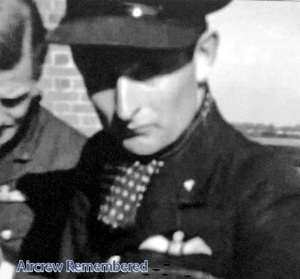 | British | 601Sqn | DFC | Hurricane | 9 | Died | Official Ace . With 601 Sqd in France. Shot down 3 before 601 withdrawn to England. Shot down further three before the 8th of August, and three more afterwards. 1940-8-15 Hurricane cockpit was shattered by cannon shell and his eyes were filled with perspex splinters. Returned to base and was rushed to hospital. Sight saved, but he never flew operationally again. DFC 1940-09-13. | |||
| 6 | Foxley-Norris | Christopher Neil | Fg Off | 70225 |   | British | 3Sqn 615Sqn 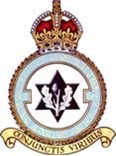 143Sqn  252Sqn  603Sqn (CO)  143Sqn (CO) | GCB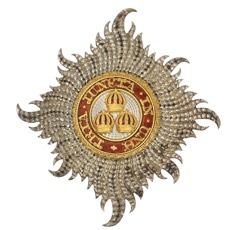 DSO OBE  | Hurricane | Survived war | 28th September 2003. | Born 16 March 1917 Birkenhead England. Joined the Oxford University Air Squadron in 1936. Awarded a Harmsworth scholarship (worth £200) to read for the Bar. However, the outbreak of war prevented him from taking his final exams. The Bar Council requested the money back, but Foxley-Norris made an arrangement with them that he would leave it to them in his will. Commissioned in RAFVR. Active service in 1939. Initial flying training at No. 9 Flying Training School at RAF Hullavington and completed the training at No 1 School of Army Co-operation. Posted to 13 Sqd RAF flying Lysanders in the Battle of France. Following the fall of France and the start of the Battle of Britain, the need for Army Co-operation pilots was greatly reduced whilst that for fighter pilots was increased. He joined 111 Sqd at Drem on 29th September but this was an error and he went instead to 3 Sqd at Turnhouse on 30th September 1940 and moved to 615 Sqd at Northolt on 19th November. On 26th February 1941 jumped by Me109s and shot down in flames from 25000 feet in Hurricane IIa Z2754. He baled out, landing near Elmsted, east of Ashford, where he met with a hostile reception from the local population who were convinced that he was German. His Hurricane came down at Little Holt Farm. In early 1943 went to Ferry Command, to fly Hudsons across the Atlantic. He was with 143 Sqd at North Coates in mid 1943, flying Beaufighters on anti-shipping duties as a Flight Commander. Posted to 252 Sqd in the Middle East. CO of 603 Sqd on convoy patrol and sweeps over the enemy-held Greek islands. The squadron was disbanded at Gambut on 26th December 1944. The personnel sailed from Port Said in the Capetown Castle and arrived at Liverpool on 6th January 1945, then went on to Coltishall. Foxley-Norris was given command of 143 Sqd, then part of the Banff Mosquito Strike Wing. Having exchanged its Beaufighters for the faster, more powerful Mosquitos, the squadron ranged the Skaggerak, Kattegat and Germany's north-western seaboard for naval and other maritime targets. DSO Citation: 'This officer has a long and distinguished record of operational flying. He has completed numerous sorties on his third tour of duty during which period he has operated against a wide range of enemy targets. For several months this officer has commanded the squadron. During the period numerous attacks have been made against enemy targets. By his brilliant leadership, exceptional skill and determination, Wing Commander Foxley-Norris has contributed in good measure to the successes obtained.' Retired 1974 with the with the rank of AVM.  Signed envelope: Christopher Foxley-Norris, Tom Gleave, Ginger Lacey, Geoffrey Page, Sandy Johnston, Mieczysław Sawicki |
|||
| 7 | Lee | Richard Hugh Antony 'Dickie' | Flt Lt | 33208 | 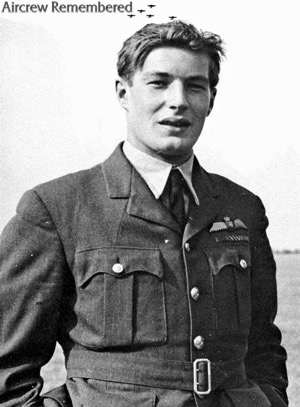 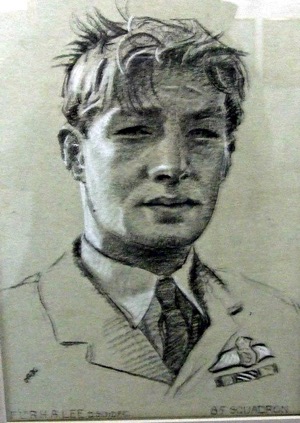 | RAF | British | 85Sqn | DSO DFC | Hurricane | 9 | KIA | 1940-08-18 | Opened the score for 85 Sqd in World War II. He was Lord Trenchard's Godson. Born in London in 1917. Educated at Charterhouse School. Cranwell in September 1935 as a Flight Cadet and graduated in July 1937. On 1 June 1938 joined 85 Sqd at Debden. Went to France at the outbreak of war. He destroyed a He111 over Boulogne on 21 November 1939, 85s first victory. DFC 8 March 1940. On 10 May 1940 he claimed a Hs126 destroyed, shared a Ju86 and damaged a Ju88. On 11 May shot down two enemy then shot down by flak and captured. Escaped and made his way back to his squadron. Flying with 56 Sqd over Dunkirk on the 27 May shot down into the sea. Rescued. DSO 31 May 1940). Back with 85 Sqd in August 1940, last seen in pursuit of an enemy formation thirty miles off the east coast on the 18 August. Killed while on patrol on 18 August 1940. Lost in Hurricane I (2923) after chasing three Bf 109s off the east coast, at 17:50hrs. Runnymede Panel 6  Dickie Lee and Albert Lewis, good friends on 85 Sqn until Lee went missing during the Battle of Britain. Albert Lewis went on to become a high scoring ace during the war. The drawing by Steve Teasdale has been signed in pencil by the artist and 23 veterans of the Battle of Britain. The signatures are: Roy McGowan, Bob Doe, Wilf Sizer, Len Davies, Bob Foster, Vivian Snell, Terry Clark, Ken Lusty, Ken Wilkinson, Tom Neil, Jack Toombs, Albert Gregory, John Ellacombe, Robert Haylock, Ken Lee, Nigel Rose, Basil Stapleton, Jocelyn Millard, Arthur Piper, CE Smith, Keith Aldridge, Ben Bent and Bill Green. (Courtesy battleofbritainbooks.co.uk |
|
| 8 | Lewis | Albert Gerald 'Zulu' | Plt Off |   Portrait by Eric Kennington | South African | 616Sqn 504Sqn  85Sqn 249Sqn | AFC & Bar | Hurricane | 17 | WIA | 1990 | Radar operator in Blenheims with 25 Sqd in the Battle of Britain. Later rose to the rank of Group Captain. AFC and bar and Polar Medal and had the Lewis Chain of rocky features in Antarctica named in his honour. Born in May 1922, attended Warwick School. Joined the RAFVR as an Aircrafthand in February 1940. Just after the Battle of Britain he was promoted to Sergeant and flew his first Beaufighter sortie. He later served in North Africa and trained as a pilot in Canada. He was granted a permanent commission in 1947. From May 1955 Lewis led the RAF party with the Commonwealth Trans-Antarctic Expedition, under the leadership of Vivian Fuchs, who would receive a Knighthood. Lewis left for the Antarctic in November 1955 and returned to the UK in March 1956. He returned to the Antarctic in November 1956 and finally came home in August 1958. He was responsible for the purchase of aircraft and spares, organising and running air surveys and providing close support for the expedition party in the field. In January 1958 Lewis became the first person to make a Trans-Antarctic flight in a single-engined aircraft. He flew from South Ice to Scott Base on the Ross Sea. Flew with 616 Sqd at the outbreak of hostilities and then moved to 504 Sqd fighting in France. Then moved to 85 Sqd still in France where he claimed 9 kills. Stayed with 85 Sqd until August and shot down two more Germans. Then joined 249 Sqd. 27 September he claimed 6 kills, two probables and one damaged. Baled out of Hurricane I (V6617) badly burned on the 28 September 1940 over Faversham at 14:20hrs. Dickie Lee and Albert Lewis, good friends on 85 Sqn until Lee went missing during the Battle of Britain. Albert Lewis went on to become a high scoring ace during the war. The drawing by Steve Teasdale has been signed in pencil by the artist and 23 veterans of the Battle of Britain. The signatures are: Roy McGowan, Bob Doe, Wilf Sizer, Len Davies, Bob Foster, Vivian Snell, Terry Clark, Ken Lusty, Ken Wilkinson, Tom Neil, Jack Toombs, Albert Gregory, John Ellacombe, Robert Haylock, Ken Lee, Nigel Rose, Basil Stapleton, Jocelyn Millard, Arthur Piper, CE Smith, Keith Aldridge, Ben Bent and Bill Green. (Courtesy battleofbritainbooks.co.uk |
|||
| 9 | MacDougall | Ian Neil | Plt Off | 33491 | British | 141Sqn | DFC | Defiant Wikipedia discussion of Defiant tactics | Died | On convoy patrol 19 July 1940 when attacked by Bf 109s off Dover. Defiant (L6983) damaged and the gunner bailed out. MacDougall crash landed the aircraft and was safe. The gunner (Sgt J.F.Wise) was killed. |
|||||
| 10 | Morrison | Neil | Sgt | 740636 | 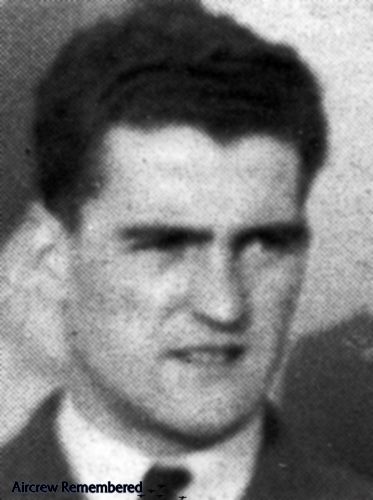  | RAFVR | British | 54Sqn 72Sqn  74Sqn  | Spitfire | 2 | KIA | 1941-02-24 | Joined RAFVR September 1937 as an Airman u/t Pilot. Called up on 1st September 1939. 7 OTU, Hawarden on 2nd September. Converting to Spitfires and joined 54 Sqd at Catterick on 17th September 1940. First flight was made on the 18th, a sector reconnaissance. Moved to 72 Sqd at Biggin Hill on 4th October and then to 74 Sqd, also at Biggin Hill, on the 26th. Probably destroyed a Me109 on 29th October, destroyed another over the Channel between Dover and Calais on 1st November and shared in the destruction of a Me109 on 2nd December, with S/Ldr. AG Malan. Shared in the destruction of a Me110 on 22nd February 1941. Two days later posted 'Failed to Return' after a patrol in Spitfire IIa P7618. His body was washed ashore at Lydd-on-Sea on 6th May 1941. Glasgow Eastwood New Cemetery Scotland Age 26 | ||
| 11 | Neil | Thomas Francis 'Ginger' | Plt Off (later W/C) | 47651 |  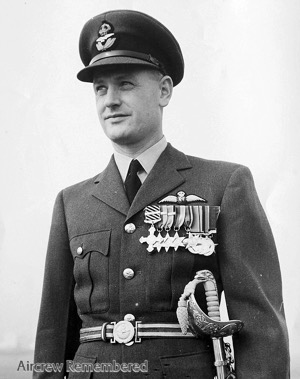 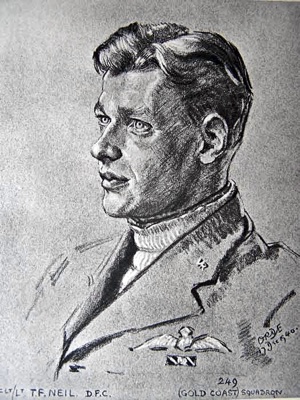  Caterpillar Club Pin | RAFVR | British | 249Sqn 41Sqn (CO)  | DFC & Bar AFC Air Efficiency  Bronze Star (USA)  | Hurricane | 13 | 11 July 2018 Age 96 | Joined RAFVR on 17 October 1938 at age 18. Posted to No. 8 Flying Training School 1 December 1939. Posted 15 May 1940 to 249 Sqd RAF at RAF Church Fenton. Flew Hurricanes from RAF North Weald during the Battle of Britain alongside Tich Palliser. The enemy aircraft he destroyed with the squadron included six Messerschmitt Bf 109s, two Heinkel He 111s, a Messerschmitt Bf 110, a Junkers Ju 87, a Junkers Ju 88 and a Dornier Do 17. Flew 141 combat missions during the Battle of Britain. 7 November 1940 mid-air collision with another Hurricane and lost the rear section of his aircraft. Managed to bail out and survived with a minor leg injury. Asked in an interview how he survived so many missions virtually unscathed, he said that in addition to being very lucky and spending a lot of time ducking and weaving, it is important in aerial combat to have the sensitivity to know instinctively what is around you and he was lucky to have that ability. DFC on 8 October 1940 and a Bar 26 November 1940. He embarked with 249 Squadron on HMS Furious on 10 May 1941 and sailed for Gibraltar. On arrival the squadron transferred to Ark Royal. The squadron flew to Ta' Qali on 21 May to take part in the Battle of Malta and he shot down a Macchi C.200 fighter on 12 June 1941. On 26 December 1941 Neil left Malta and in 1942 he became tactics officer for No. 81 Group, then he served with No. 56 OTU and was officer commanding 41 Sqd. He then became liaison officer to the US 9th Army Air Force's 100th Fighter Wing. This posting led to the award of the Bronze Star Medal. He was awarded the AFC in the 1950s and retired from the RAF in 1964 at the rank of Wing Commander in 1964. Caterpillar Club badge, gold with ruby eyes, engraved to reverse 'P/O. T. F. Neil. DFC Pres. by Irving Co.', with original safety chain, extremely fine Thomas Francis 'Ginger' Neil was born on 14 July 1920 at Bootle, Merseyside, and educated at Eccles Grammar School. After taking his School Certificate in 1937 he took work at the District Bank in Gorton whilst training to be a pilot with the Royal Air Force Volunteer Reserve from 17 October 1938. Called up for full-time service at the outbreak of the Second World War, Neil was commissioned Pilot Officer and posted on 15 May 1940 to 249 Sqd based at Church Fenton and North Weald. Baling out over the Garden of England - Caterpillar Club Member Awarded the Distinguished Flying Cross on 8 October 1940, Neil faced a serious mishap on 7 November 1940 when he collided with the Hurricane flown by Wing Commander Francis Victor Beamish, DSO AFC losing the rear section of his aircraft. The exact circumstances were uniquely described by Neil in a television interview conducted in 2016: 'The aircraft became uncontrollable and this was at 18,000 feet… I think it was, and I didn't really get out of the aircraft until about 2,000 feet, so I spent a long time in the aeroplane trying to make sense of an aircraft that didn't have a tail and I eventually got out. I landed in the top of a tree at a place called Walberswick in Kent, and when I came round I was surrounded by four sets of feet, two belonging to ladies and two belonging to men, and they were discussing whether I was on their side or the other side. The two ladies thought I looked English and that kept me going so to speak. The two men thought I looked German and they wanted to hang me and, anyhow, two Army officers rushed up and prevented them from doing that… and that's the story how I continued to serve in the Air Force for twenty odd years.' (Interviewer) 'What happened to Beamish's aircraft? Did he land OK?' (Neil) 'Yes, yes, he was out and totally fearless.' (Interviewer) 'I hope he bought you a beer!' (Neil) 'Pardon?' (Interviewer) 'I hope he bought you a beer…' (Neil) 'No! He said he was sorry… He was a wonderful man, and they all thought I'd been killed and never seen again because I disappeared through cloud… until I turned up the same night.' Beamish made a forced landing near Leeds Castle and was awarded the D.F.C. the next day (London Gazette 8 November 1940, refers). Neil was awarded a Bar to his DFC on 26 November 1940 and later fought during the Battle of Malta, shooting down a Macchi C.200 fighter on 12 June 1941. Appointed Officer Commanding 41 Sqd, Neil later became liaison officer to 100 Fighter Wing, USAAF. and was awarded the Bronze Star Medal. Taking retirement from the RAF in 1964, Neil settled in Norfolk where he became a director in the shoe industry. In paying tribute to Neil, David Brocklehurst, MBE Chairman and Historian at the Battle of Britain Museum Trust said: 'We are greatly saddened by his death and our hearts go out to Tom's family - we have lost a true friend. He was the epitome of a Battle of Britain pilot. It was a great honour to have known him.' Tom recalls bailing out of his Hurricane. (original on YouTube) |
||
| 12 | Macdougal | Ian Neil | Plt Off | RAF | UK | 141Sqn | Defiant L6983 | Survived | Born on 11th June 1920 in British Guiana. Died in August 1987 |
Results 1 to 12 of 12.


